


register for newsletter
get latest company news
+86 18506936263



dtf printing in 2026: Why It Is Becoming a High-Growth Technology
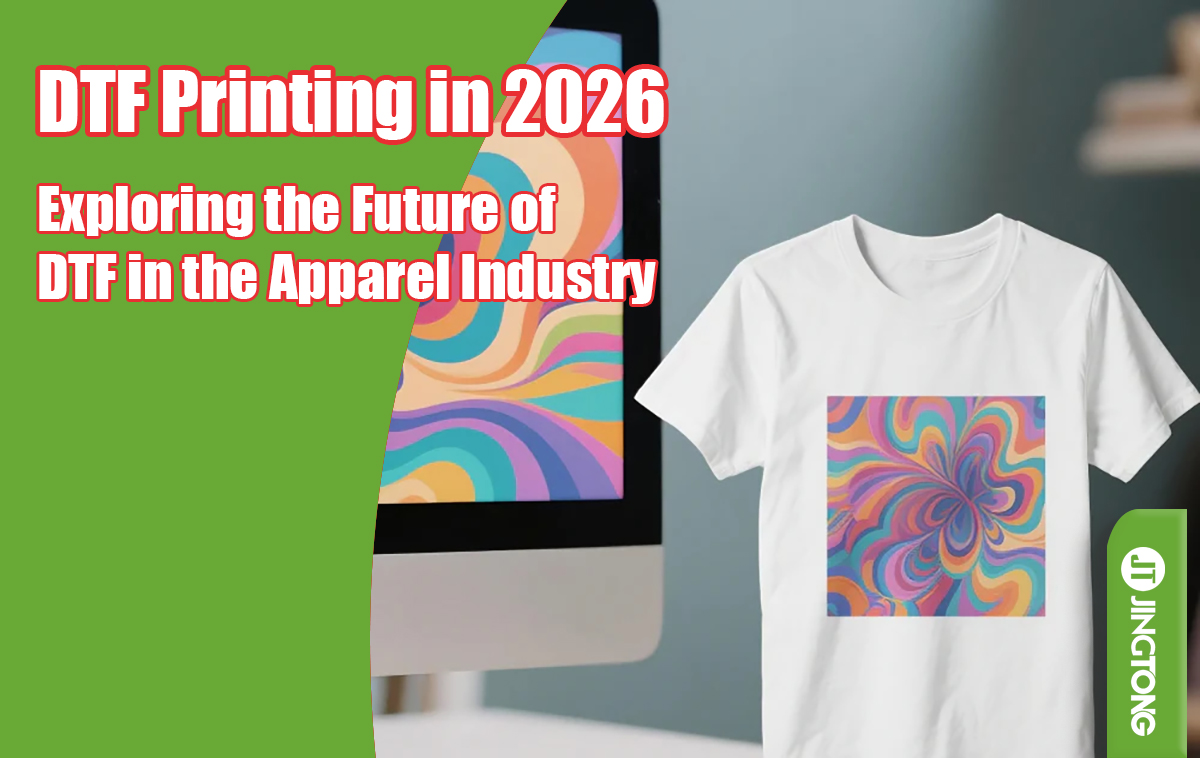
In recent years, DTF (Direct-to-Film) printing has rapidly evolved from a niche transfer solution into a mainstream digital printing technology. Driven by the expansion of personalized apparel, e-commerce, and print-on-demand business models, DTF is expected to play a crucial role in the global digital textile printing market in 2026 and beyond.
Industry research indicates that the global DTF printing market is experiencing steady growth, supported by continuous improvements in equipment performance, material compatibility, and production efficiency.
Why DTF Printing Deserves Attention?
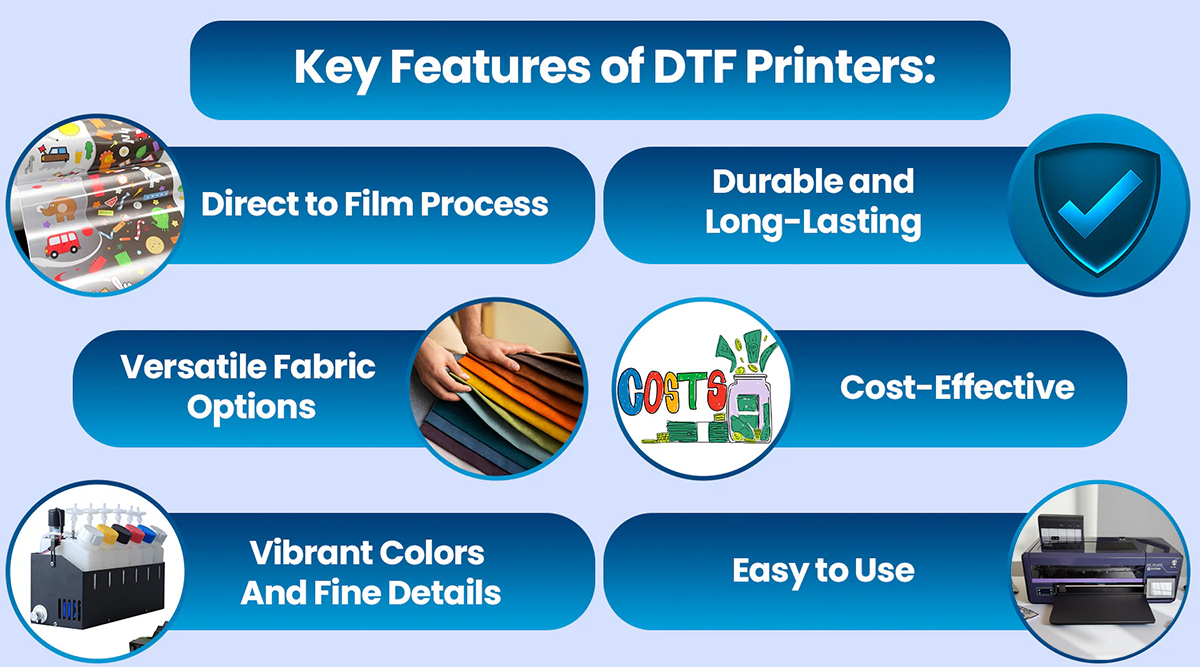
Compared with traditional techniques such as screen printing and sublimation, DTF printing offers several clear advantages:
• Vibrant and consistent color output, including excellent white ink coverage
• Soft hand feel with strong durability, suitable for repeated washing
• Wide fabric compatibility, including cotton, polyester, blends, and functional textiles
These advantages make DTF particularly attractive for customized apparel, branded T-shirts, and promotional garments where quality and flexibility are equally important.

💰High Return on Investment for Custom Apparel Businesses
DTF printing requires lower initial setup costs compared with screen printing, as it eliminates the need for screens, plates, or complex pre-production steps.
For small and medium-sized businesses, this means:
• Faster order turnaround
• Reduced inventory risk
• Higher profit margins for small-batch and customized orders
As a result, DTF printing is increasingly viewed not only as a printing method, but as a scalable business model for modern apparel production.
🛍️ Strong Alignment with E-Commerce and Print-on-Demand Models
With the rapid growth of online platforms such as Shopify, Etsy, and Amazon Merch, demand for on-demand apparel production continues to rise. DTF printing integrates seamlessly into this ecosystem by enabling:
• Production only after orders are confirmed
• High design flexibility with minimal waste
• Easy scaling from startup to mid-size operations
This close alignment with e-commerce trends is a major reason why DTF adoption is accelerating globally.
📈 DTF Printing Market Trends and Growth Forecast for 2026
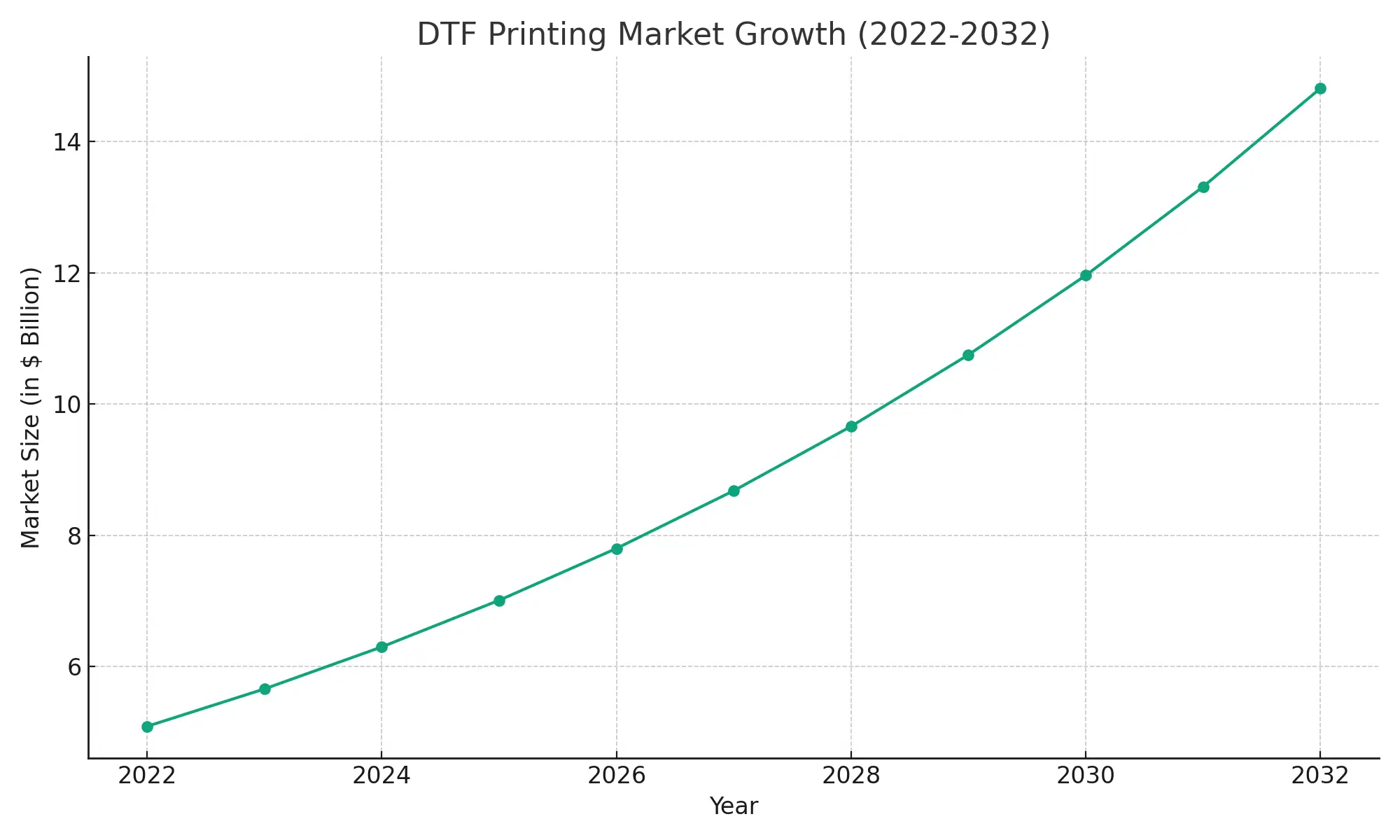 Market Size and Growth Outlook
According to multiple market research institutions:
• The global DTF printing market was valued at approximately USD 6.25 billion in 2024
• It is projected to reach nearly USD 12 billion by 2030, with a CAGR of around 192%
• Asia-Pacific, North America, and Europe remain the fastest-growing regions
These figures confirm that DTF printing is not a short-term trend, but a long-term growth segment within digital printing.
Technology Maturity and Equipment Upgrades
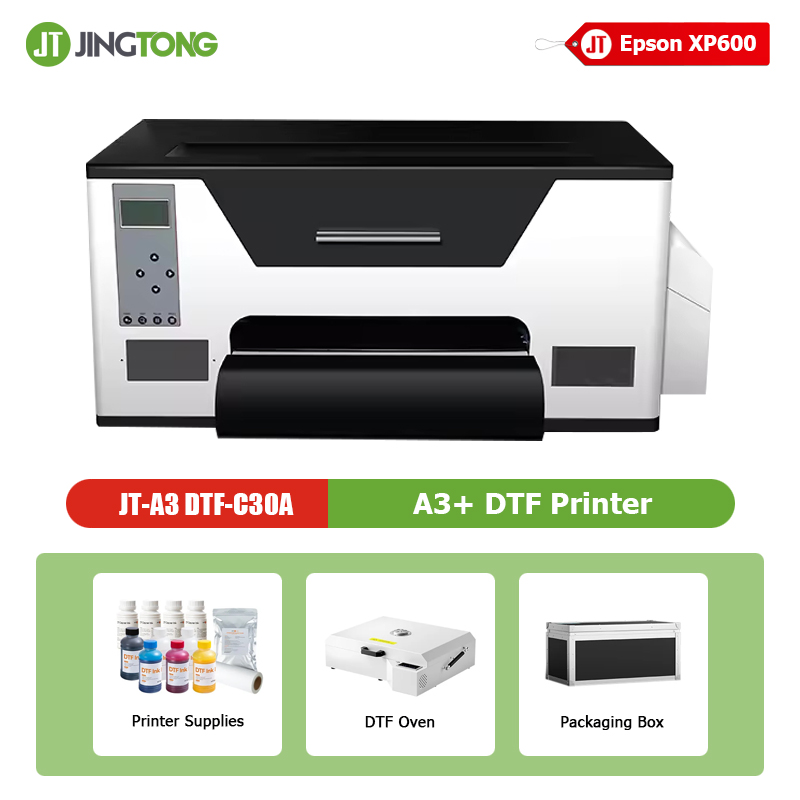
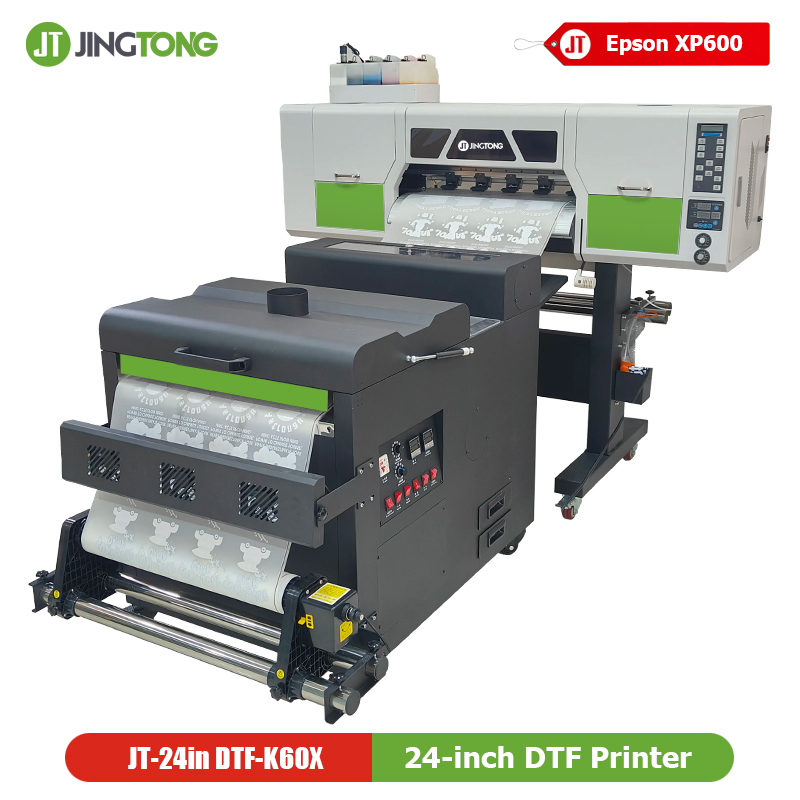
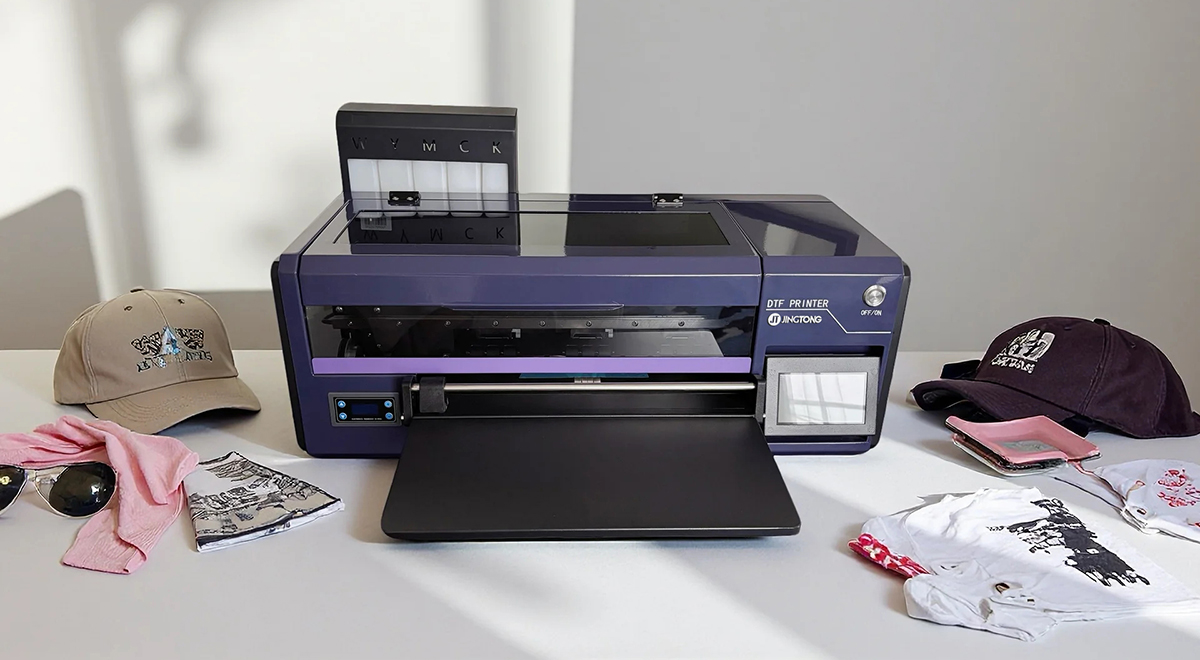
By 2026, DTF technology is expected to become significantly more mature, with improvements in:
• Printing speed and production stability
• Automation, including powder shaking, curing, and film handling
• Printhead liFESPAn and ink flow optimization
Modern DTF systems are increasingly designed for ease of use, reducing reliance on highly skilled operators and making the technology more accessible to growing businesses.
Expanded Material Compatibility
Advances in consumables are further driving adoption:
• New low-temperature adhesive powders reduce fabric damage
• Improved dtf films support finer details and better release
• More eco-friendly inks and materials meet environmental compliance requirements
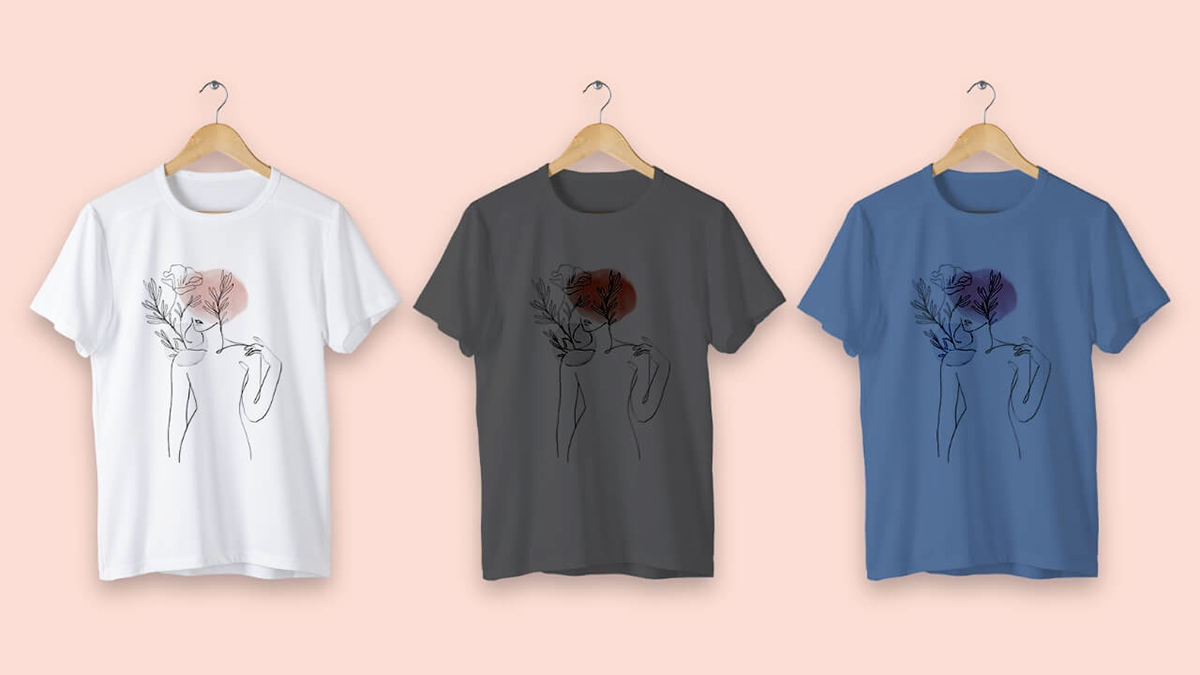
This allows DTF printing to expand beyond standard T-shirts into sportswear, bags, caps, and specialty textiles.
Rising Adoption Among Small and Medium Enterprises
While DTF was initially popular among small studios, it is now increasingly adopted by mid-scale printing factories as a core production solution.
Key drivers include:
• Low entry barrier
• High production flexibility
• Easy integration with existing printing workflows
DTF is no longer just a backup option—it is becoming a primary production technology.
DTF vs Other Printing Technologies
Printing Method | Color Quality | Cost Efficiency | Fabric Compatibility | Production Flexibility |
|---|---|---|---|---|
DTF Printing | ★★★★☆ | ★★★★☆ | Very wide | High |
Screen Printing | ★★★☆☆ | ★★☆☆☆ | Limited | Low (best for bulk) |
Sublimation | ★★★★☆ | ★★★☆☆ | Polyester only | Medium |
★★★★☆ | ★★★☆☆ | Mainly cotton | Medium |
DTF stands out as a balanced solution, offering excellent quality, flexibility, and cost efficiency for modern production needs.
Ideal Applications and Use Cases
DTF printing is especially suitable for:
• Custom apparel brands and startup clothing lines
• Print-on-demand e-commerce businesses
• Promotional products and corporate merchandise
• Small-batch fashion and seasonal designs
Its versatility allows businesses to respond quickly to market trends while maintaining consistent quality.
Conclusion: Why 2026 Is a Key Year for DTF Printing
By 2026, DTF printing will be defined by:
✔ Stable global market growth
✔ Mature and automated equipment solutions
✔ Expanded material compatibility
✔ Strong integration with e-commerce and customization trends
For businesses focused on custom apparel, flexible production, and scalable growth, DTF printing is not just a future opportunity—it is a strategic investment happening now.
get latest company news
Scan To Wechat