





register for newsletter
get latest company news
+86 13113657186



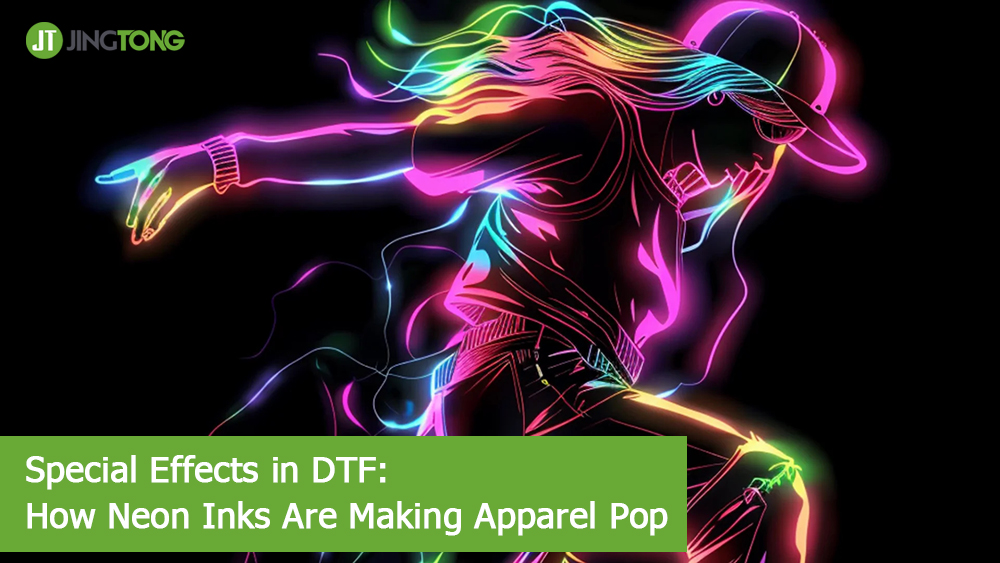
Neon fluorescent inks represent the latest innovation in the Direct-to-Film (DTF) printing space. Whether under daylight or UV light, they deliver stunning, vibrant effects, giving apparel decorators a competitive edge. Tests show strong wash durability, though market awareness of their added value is still growing. As adoption spreads and technology advances, Neon Inks signal a major upgrade in creative customization.
DTF Direct-to-Film Revolution
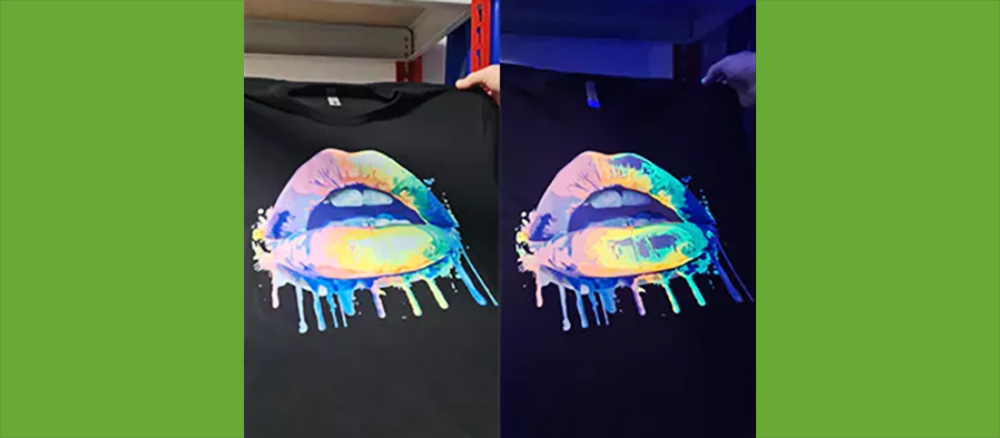
The dtf printing revolution has brought speed, flexibility, and affordability to apparel decorators worldwide—and now it’s entering a new era! Special effects, particularly those made possible by neon fluorescent inks, are helping printers stand out in a saturated market. These vivid colors do more than brighten up designs—they deliver bold visual impact both in natural and UV light.
While metallic and glitter inks are gaining traction (many of which we’ve tested), neon inks stand out as true innovations. Their electrifying glow under blacklight, combined with intensified vibrancy under normal lighting, gives brands a creative edge and opens up new revenue streams.
Beyond CMYK: The Rise of Neon Inks
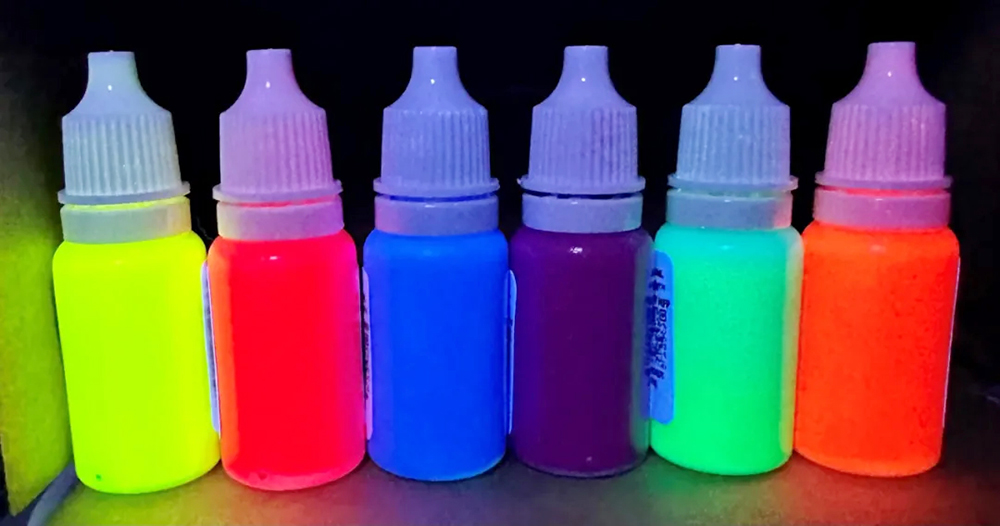
Traditional DTF setups typically rely on CMYKW ink sets. But new systems equipped with three or more print heads are emerging, creating room for additional channels and new ink configurations—this is where neon inks shine.
Neon ink is essentially fluorescent ink. When exposed to UV or blacklight, it emits visible light, making it ideal for nightlife apparel or event wear. But its brilliance isn’t limited to clubs—neon pink, yellow, green, and orange also dazzle in natural light, producing bold, eye-catching prints that stand out on shelves and social media alike.
Expanding the Color Gamut
Jingtong Intelligent Technology tested multiple DTF systems configured for neon printing. Some systems limit neon ink usage to spot colors, which works well for vector graphics. Others integrate neon inks directly into ICC color profiles, enabling their use in halftone printing. One tested model combined neon magenta and yellow inks, expanding the color gamut by 27% compared to standard CMYK—an impressive leap for fashion designers seeking richer tones and more accurate memory color reproduction.
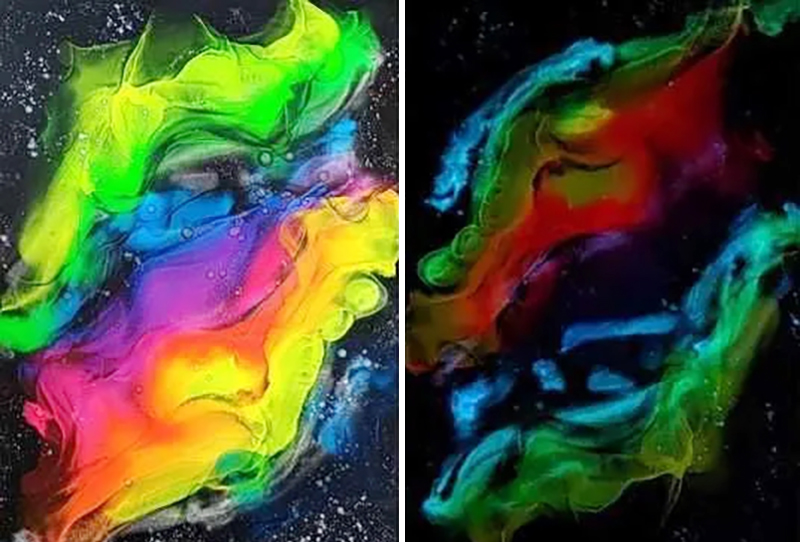
Neon-enabled systems also improve color matching. For instance, using neon ink reduced the DeltaE value for the notoriously tricky Home Depot orange from 7.24 (CMYKW) to 2.56. Such precision can make a significant difference for branded apparel and client satisfaction.
Small Devices, Big Neon Impact
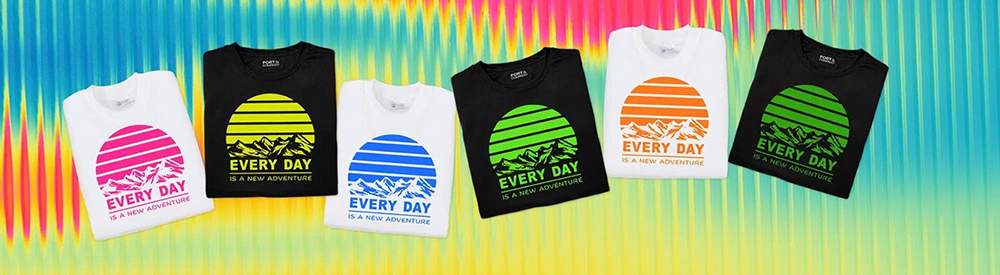
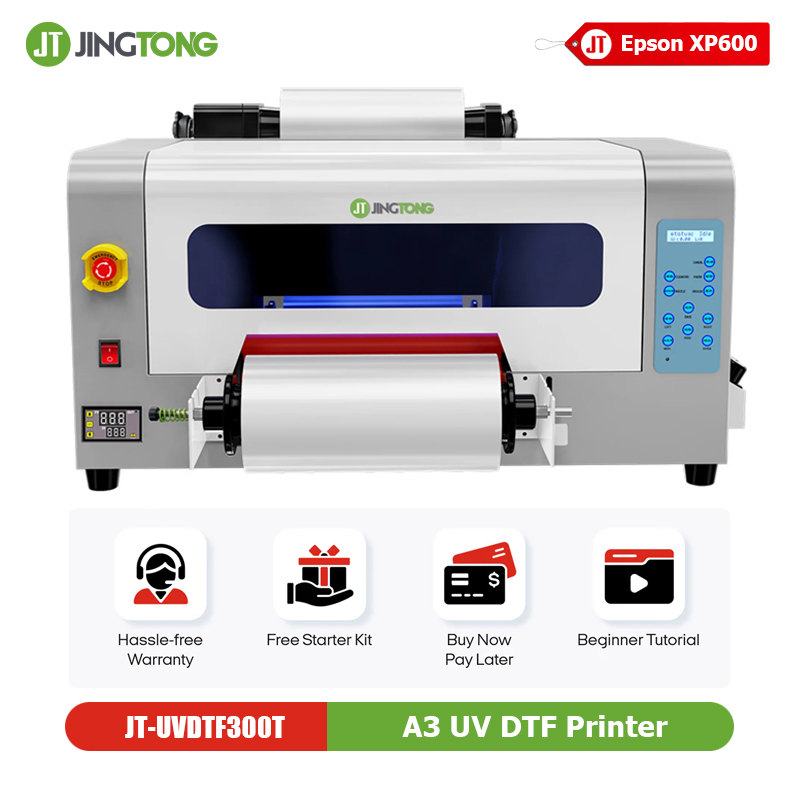
While some machines cater to large-format roll workflows, neon ink isn’t just for big players. One compact desktop printer we evaluated used neon yellow and magenta in place of standard colors. The visual results were impressive, especially for trend-forward designs and youth apparel. The RIP software substituted neon inks directly into the ICC profiles, allowing users to submit designs without complicated setups or manual spot color prep.
However, there are trade-offs: this setup isn’t suitable for realistic photo prints or skin tones, making it less ideal for certain clients. But for small businesses, Etsy shops, and local merch printers looking to offer unique options without extra cost, these plug-and-play systems are a great fit.
Durability Matters
A key challenge for fluorescent inks lies in their chemical makeup, which can affect durability—especially with frequent washing and drying. Yet our tests showed that after 20 wash and dry cycles, garments printed with neon ink retained vivid color, stretch resistance, and fine detail. Fluorescence did fade slightly under UV exposure, but overall visual impact remained strong.
This proves that with the right ink and transfer process, neon prints can be durable in real-world conditions—a point often overlooked when the focus is on their dazzling looks.
Market Readiness and Perception

Market Research
A LinkedIn poll revealed that 25% of respondents are using or plan to use neon inks within the next year. However, only 18% believe neon-printed products can command a higher price than standard CMYK prints. This perception gap may limit short-term ROI but also points to an opportunity: educating customers about neon’s uniqueness and showcasing use cases can help position it as a value-added feature.
One interviewed designer noted that learning about neon ink’s fluorescent properties offered “a whole new way to market to clients.” In competitive spaces like fashion, concert merch, or activewear, visual differentiation is crucial.
What’s Next?
The DTF space is evolving rapidly, and neon isn’t the only emerging option. From glitter films to metallic finishes, manufacturers are building a full ecosystem around effects-driven customization. Still, neon ink remains one of the most accessible and visually striking upgrades available today.
Jingtong Intelligent Technology will continue testing neon-capable devices and tracking adoption trends across businesses of all sizes to better understand how these special effects are reshaping the apparel decoration landscape.
For more information, contact JINGTONG sales expert—we’re here to help!
get latest company news
Scan To Wechat