















register for newsletter
get latest company news
+86 13113657186



As the global textile industry moves steadily toward eco-friendly and sustainable development, the ocean is emerging as an exciting new source of materials. With synthetic fibers like polyester and nylon increasingly under scrutiny for their environmental impact, the search for greener, low-carbon alternatives has become a top priority. And in this process, the ocean—with its rich biodiversity—is becoming the birthplace of a textile revolution.
The Rise of Ocean-Based Fibers: Renewable, Biodegradable, and Low-Impact
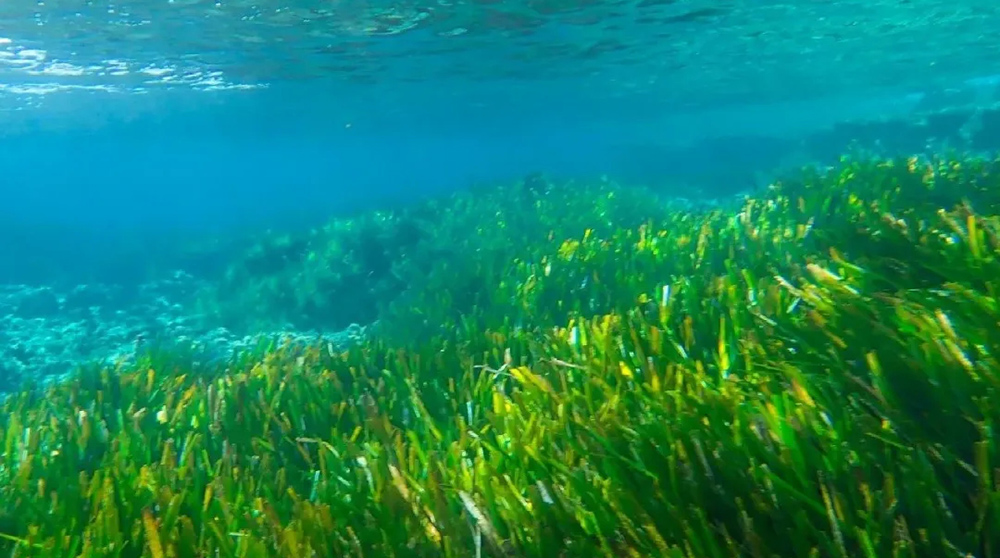
Unlike traditional land-based fibers, marine-derived fibers are naturally renewable and biodegradable, and their collection can be less disruptive to ecosystems. From seaweed and shellfish to fish skin, deep-sea microbes, and marine sponges, the ocean’s biodiversity is proving to be a treasure trove of “fiber potential,” opening up new possibilities for sustainable textiles.
Many of these materials are not only eco-friendly but also come with built-in advantages such as moisture management, antibacterial properties, softness, flexibility, and durability. These qualities are attracting growing attention from performance wear, functional textiles, and eco-fashion brands worldwide.
Key Ocean Fibers and Their Advantages
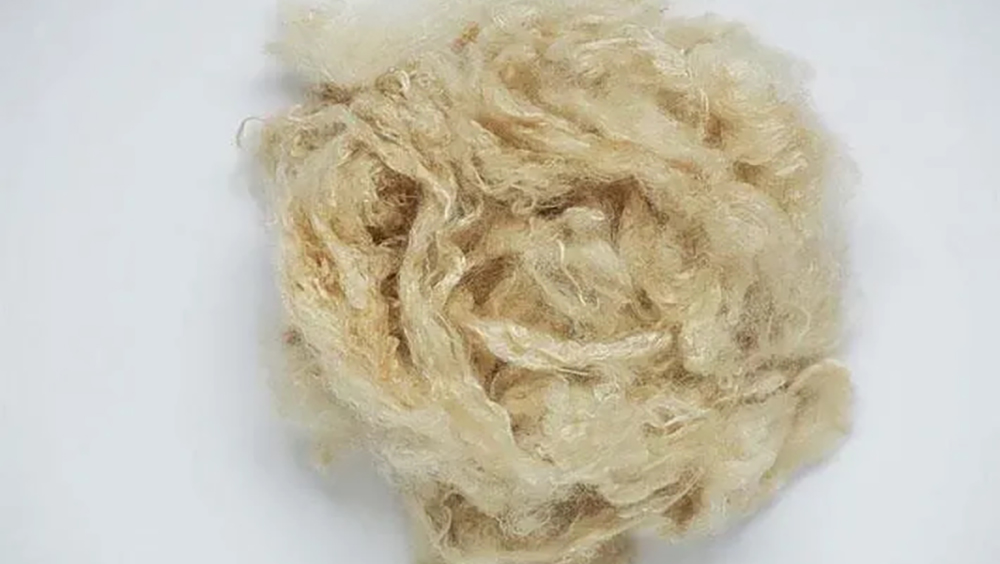
Seaweed Fiber – A Star Among Renewables
Brands like Seacell showcase how seaweed fibers, rich in minerals, can offer natural moisturizing and skin-soothing benefits. Lightweight, skin-friendly, and sustainable, they are increasingly used in wellness textiles and high-end fashion, making them a promising alternative to synthetics.
Chitosan Fiber – Turning Waste Into Value
Derived from the shells of shrimp, crabs, and other crustaceans, chitosan fibers are biodegradable and boast natural antibacterial and odor-resistant qualities. This makes them ideal for sportswear and medical textiles where hygiene is critical.
Fish Leather – A Creative Use of By-Products
Fish skins from salmon, tilapia, and other edible species are being transformed into durable yet supple leathers. As a sustainable alternative to traditional animal hides, fish leather is gaining traction in footwear, handbags, and fashion accessories.
Deep-Sea Microbial Fibers – The Future of Biotech Textiles
Microorganisms living in extreme deep-sea environments can produce unique biopolymers with strength, flexibility, and biodegradability. While still in early research stages, advances in synthetic biology may soon bring these “future fibers” into commercial use.
Marine Sponges and Corals – Emerging Research Frontiers
Preliminary studies suggest that certain sponge and coral materials could be developed into lightweight, uniquely structured fibers with potential for medical textiles and high-performance sports gear.
Challenges Ahead – From Harvesting to Commercialization
Despite their promise, ocean fibers still face hurdles before reaching mass adoption:
• Sustainable harvesting: Over-collection of seaweed, fish, or other marine resources risks harming ecosystems, making responsible sourcing essential.
• Technology barriers: Many marine fibers remain at the lab stage, requiring breakthroughs in extraction efficiency, processing compatibility, and cost control.
• Ethical and environmental safeguards: Industry standards must ensure that marine sourcing avoids damaging coral reefs and other sensitive habitats, while keeping harmful chemicals out of production.
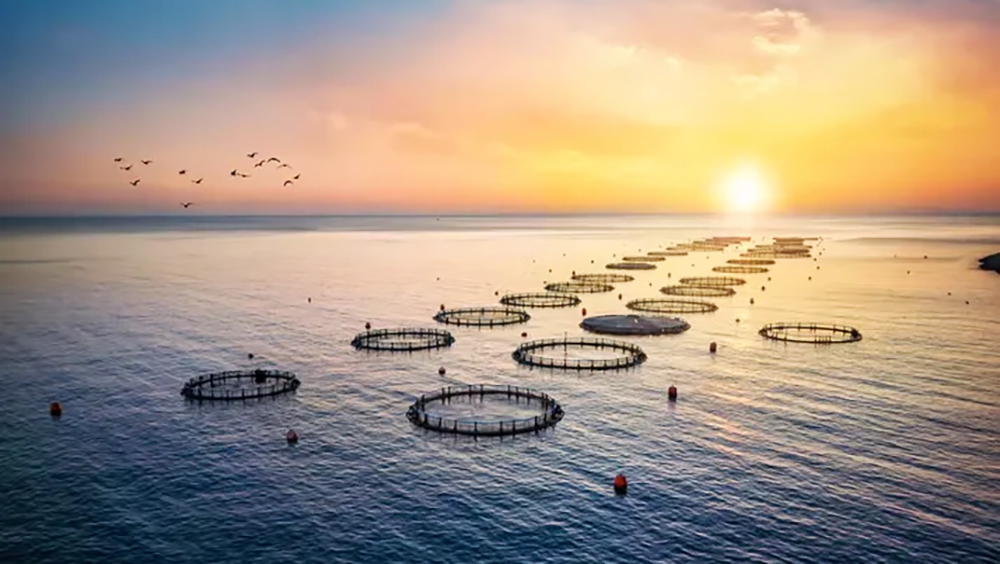
Looking Ahead – Policy, Technology, and Circular Fashion
To bring marine textiles into the mainstream, several developments will be key:
1. Biotechnology-driven innovation: Genetic engineering and synthetic biology can accelerate the efficient production of ocean-derived fibers.
2. Integration into circular fashion: With strong biodegradability, marine fibers fit perfectly into circular economy models and sustainable design practices.
3. Policy and certification support: International standards and certifications will be essential to guide responsible development, trade, and usage of ocean fibers.

From Oil to Ocean – A Material Revolution. The textile industry is undergoing a shift from petroleum-based fibers to ocean-inspired alternatives. Seaweed, chitosan, fish leather, and microbial polymers are leading the way toward a future where textiles are not only high-performance and fashionable but also sustainable and ethical.
The fabrics of tomorrow may no longer come just from fields and factories, but from the depths of the sea. Driven by the wave of sustainability, the ocean is poised to become a cradle for the next generation of green textiles.
As an industry platform, we will continue to track these cutting-edge trends and foster collaboration to help bring ocean textiles from research into reality.
get latest company news
Scan To Wechat