



register for newsletter
get latest company news
+86 13113657186



What Is uv printing?
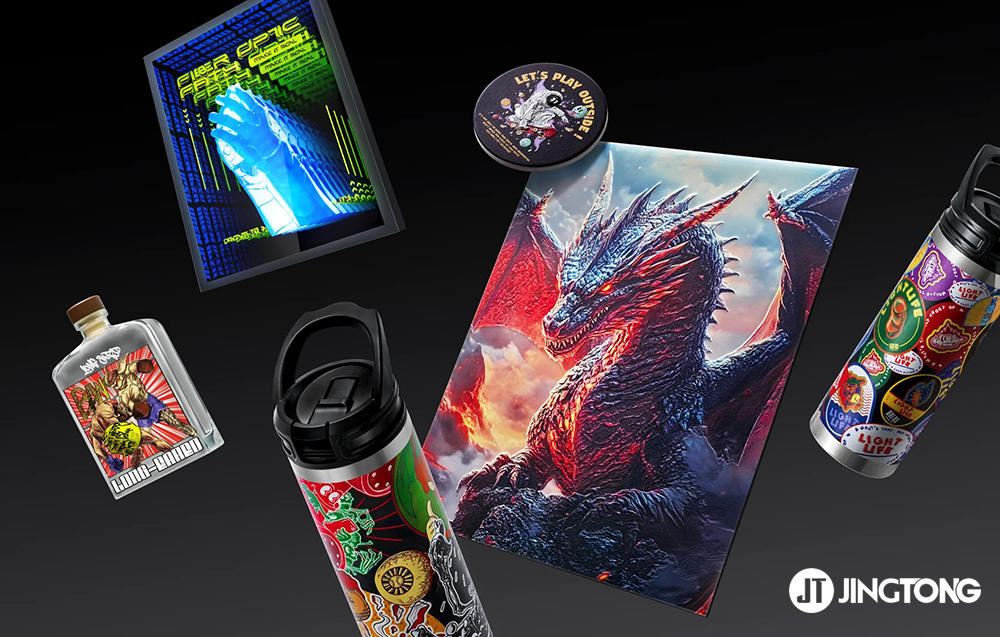
UV printing is a digital inkjet process that uses UV-curable ink and ultraviolet light to produce graphics directly on a material. The UV light cures the ink during printing, allowing the finished product to be handled almost immediately.
A uv printer can work with many substrates, including acrylic, wood, glass, metal, plastic and ceramic. This makes UV printing popular for product customization, signage, gifts, packaging and promotional products.
How Does a UV Printer Work?
A UV printer works through three main steps:
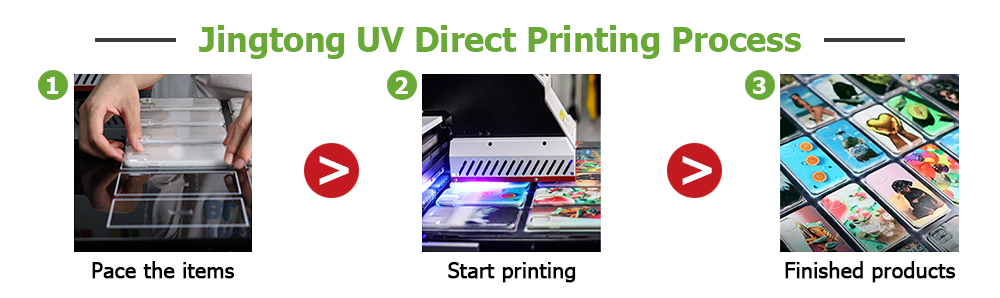
1. Print: The printhead deposits UV ink onto the substrate.
2. Cure: UV LED lamps cure the ink immediately.
3. Finish: The printed product can normally be handled without a separate drying process.
Depending on the printer, the ink configuration may include CMYK, white and varnish. White ink improves color visibility on dark or transparent materials, while varnish and multi-layer printing can create decorative effects.
UV Printing vs. Traditional Printing
Traditional printing technologies may rely on absorption, evaporation or heat to dry ink. UV printing instead cures the ink directly on the surface using UV light.
This gives UV printers greater flexibility when working with rigid and non-porous materials. However, ink adhesion varies between substrates, so difficult materials should be tested before production.
Types of UV Printers
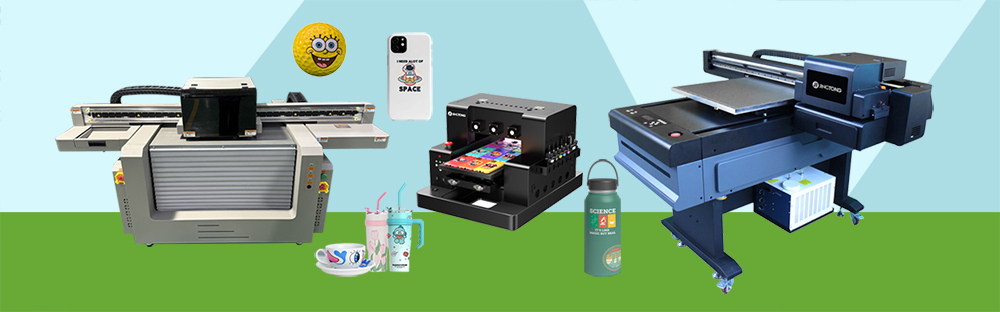
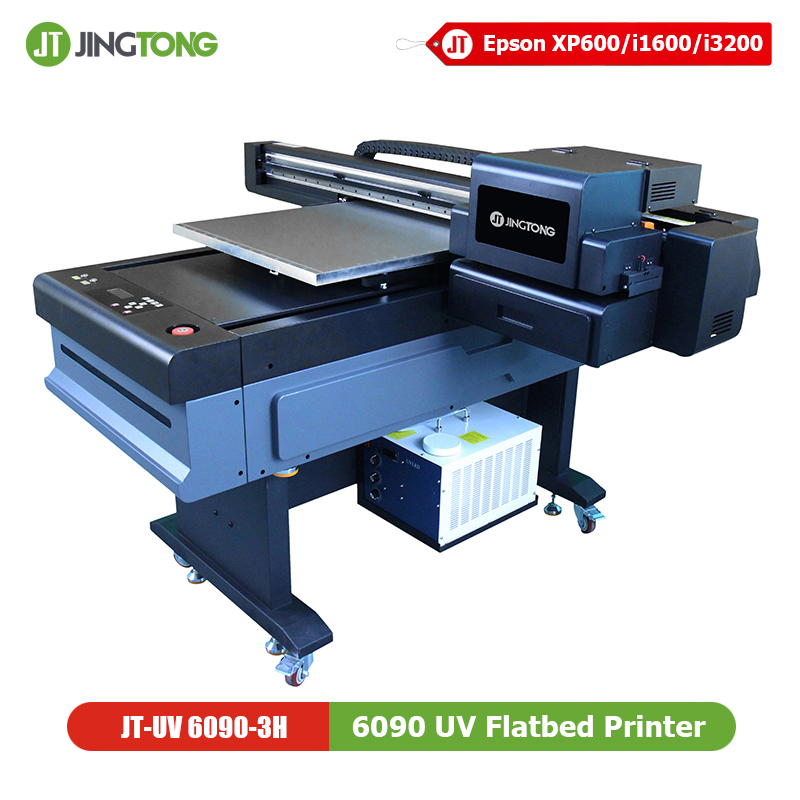
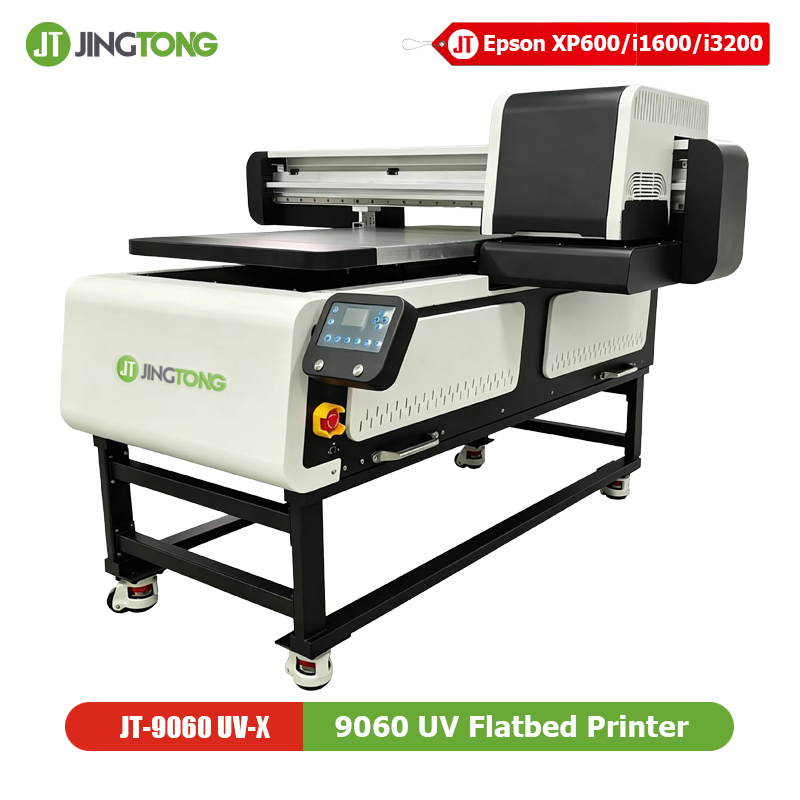
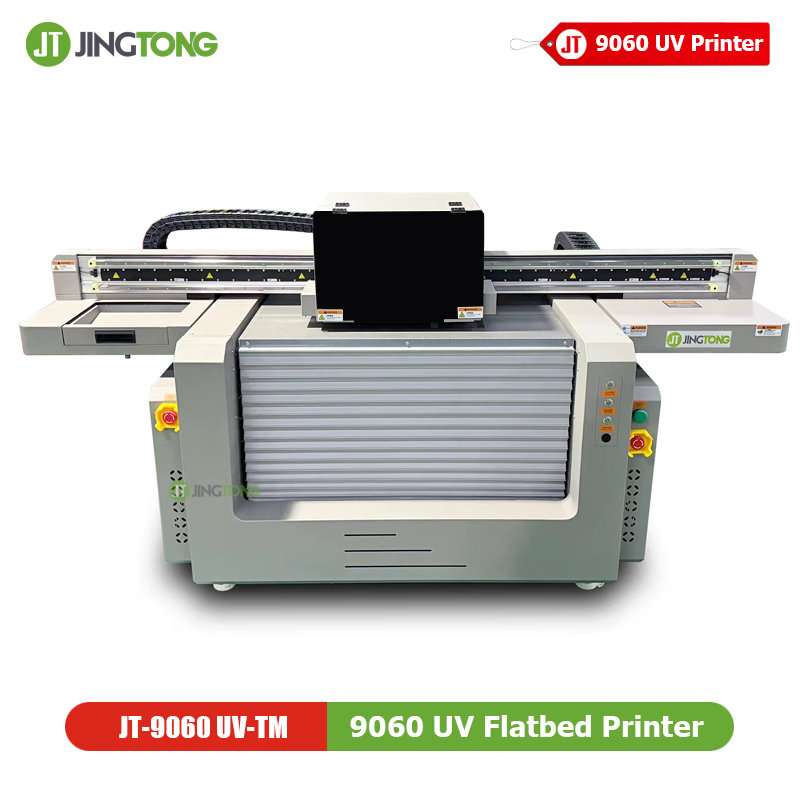
Prints directly onto flat materials and rigid objects such as acrylic, wood, glass, metal and PVC.
Rotary UV Printer
Uses a rotary device to print on cylindrical products such as bottles, tumblers, cups and tubes.
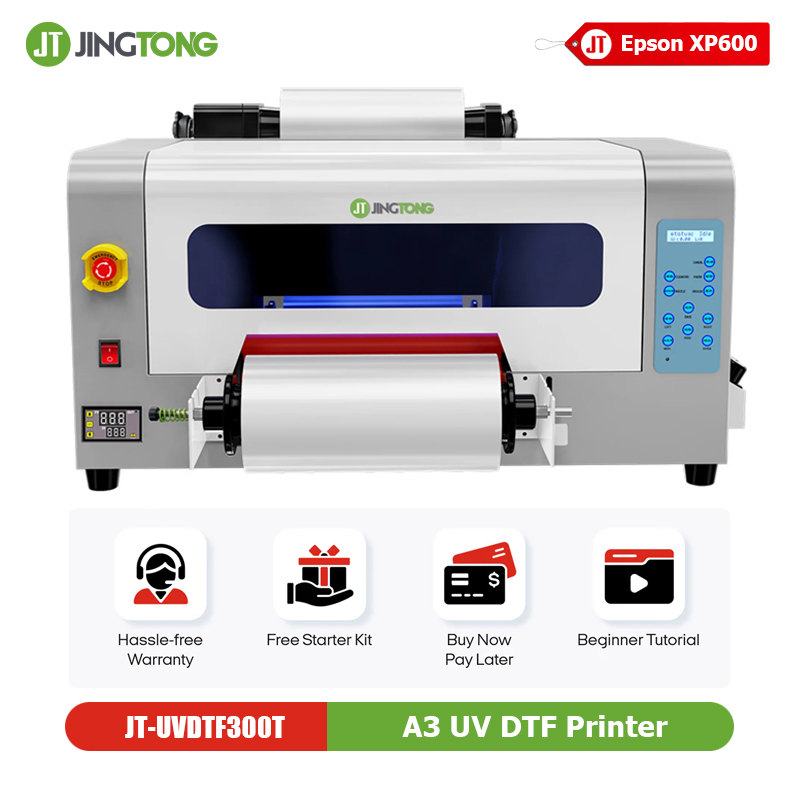
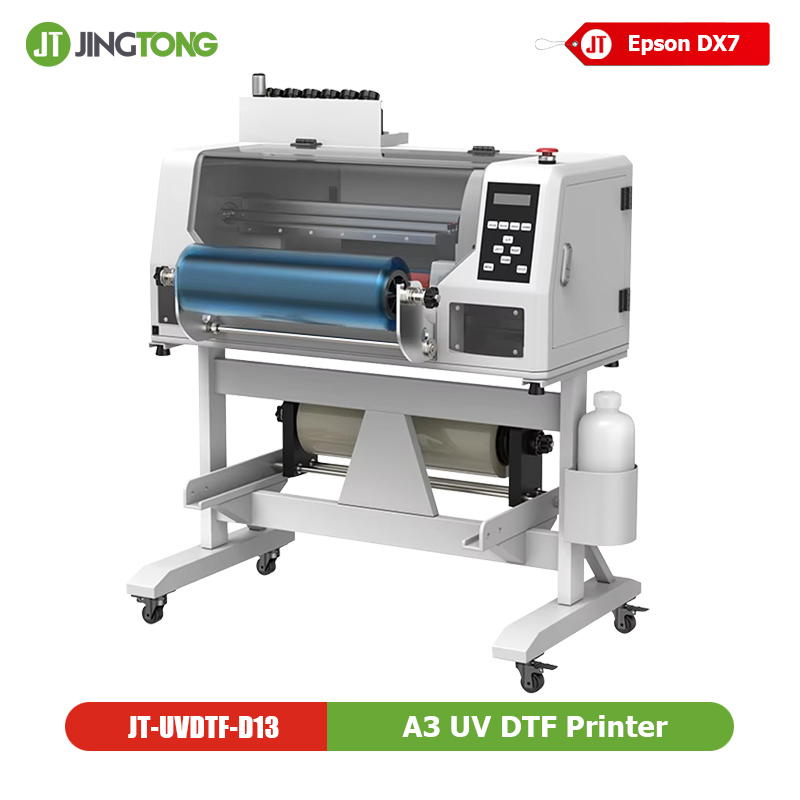
UV dtf printer
Prints the design onto special film before transferring it to the final product. It is useful for curved or irregular objects.
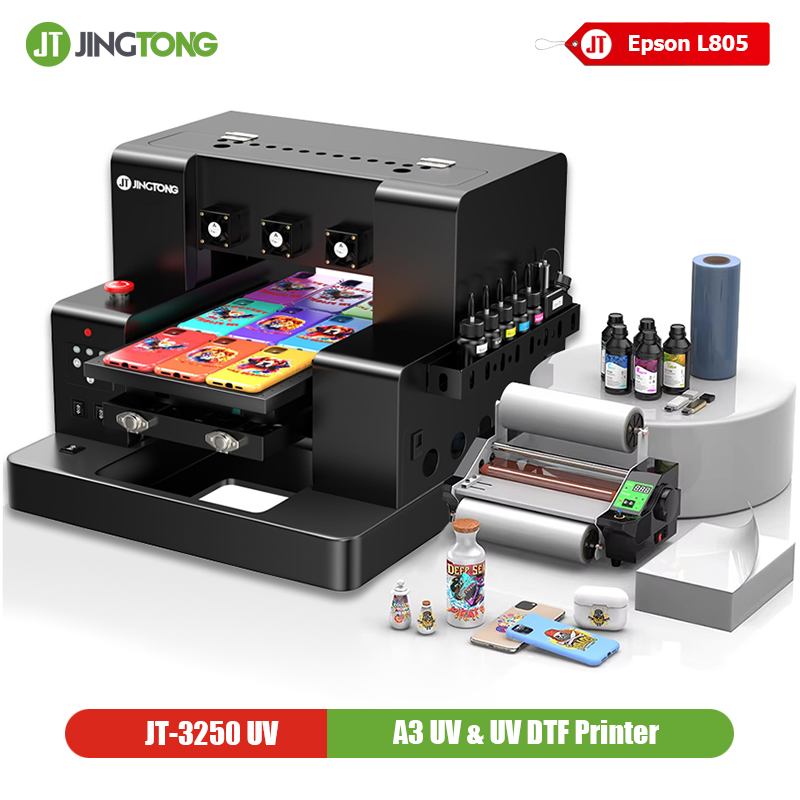
Hybrid UV Printer
Combines flatbed and roll-to-roll printing for businesses that need to handle both rigid and flexible materials.
Benefits of UV Printing
* Fast curing: No long air-drying process.
* Wide substrate compatibility: Suitable for many rigid materials.
* Detailed printing: Produces sharp graphics and fine text.
* White ink printing: Suitable for dark and transparent surfaces.
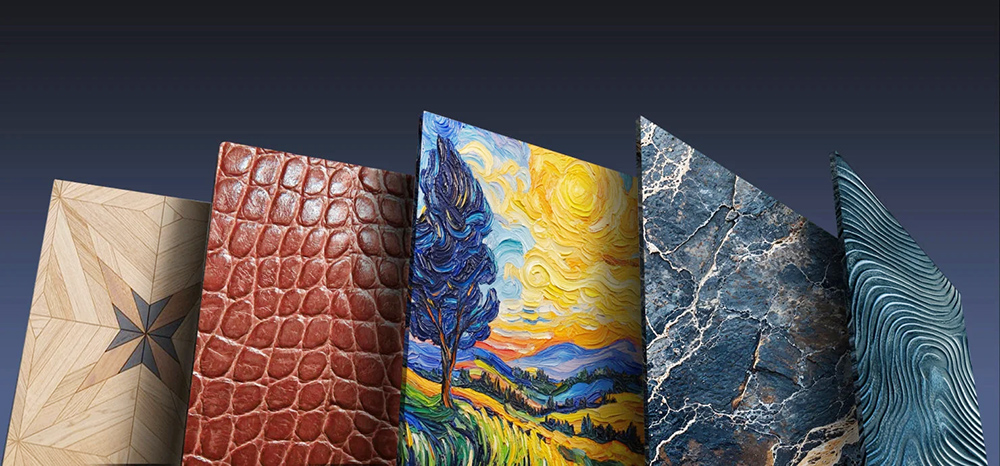
* Decorative effects: Supports varnish and raised textures on compatible models.
* Customization: Well suited to personalized and short-run production.
* Direct-to-product printing: Reduces the need for separate labels or transfers in many applications.
Limitations of UV Printing
UV printers require a higher investment than standard desktop printers and need regular maintenance.
Not every material provides the same ink adhesion. Certain plastics, glass, metal or coated surfaces may require primer or additional surface treatment.
The user should also select appropriate ink, curing and printing parameters for different applications.
What Materials Can You Print with a UV Printer?
UV printing is known for its substrate flexibility. Here are some of the most common categories.
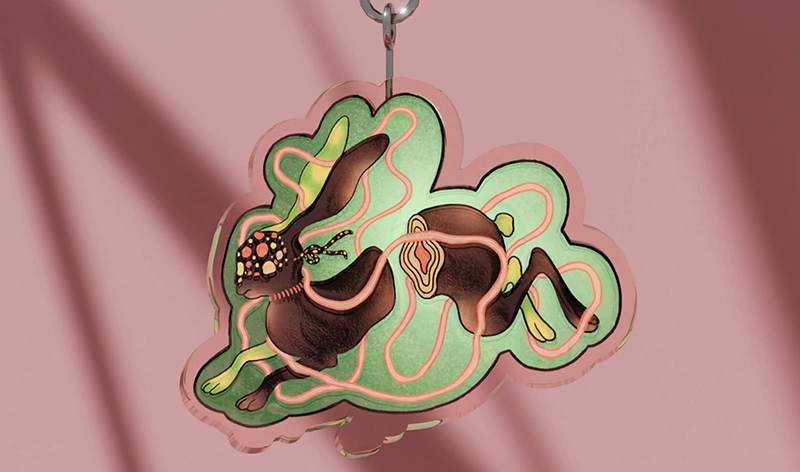
Acrylic
Acrylic is widely used for signs, displays, photo panels, menus, awards and decorative products. Transparent acrylic can also benefit from white ink printing.
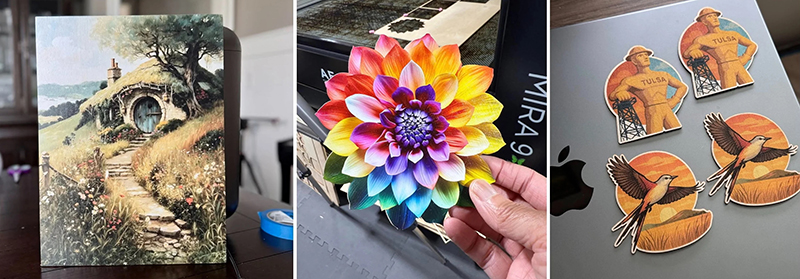
Wood
UV printing can be used to customize wooden signs, boxes, plaques, panels, souvenirs and decorative products.
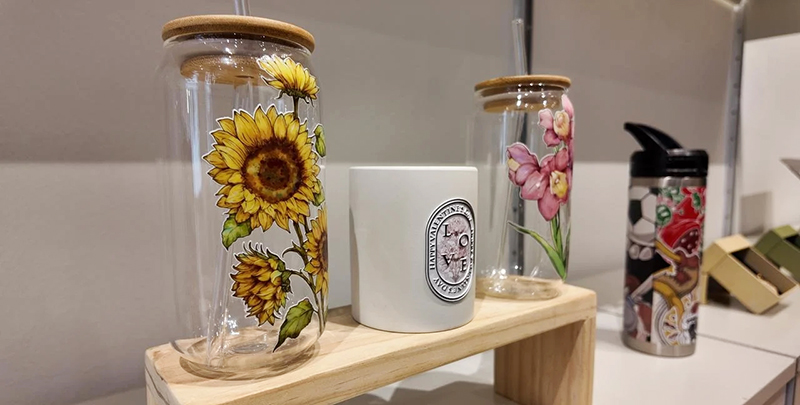
Glass
Glass can be used for decorative panels, bottles, jars and personalized products. Because its surface is smooth and non-porous, proper ink adhesion should be verified.
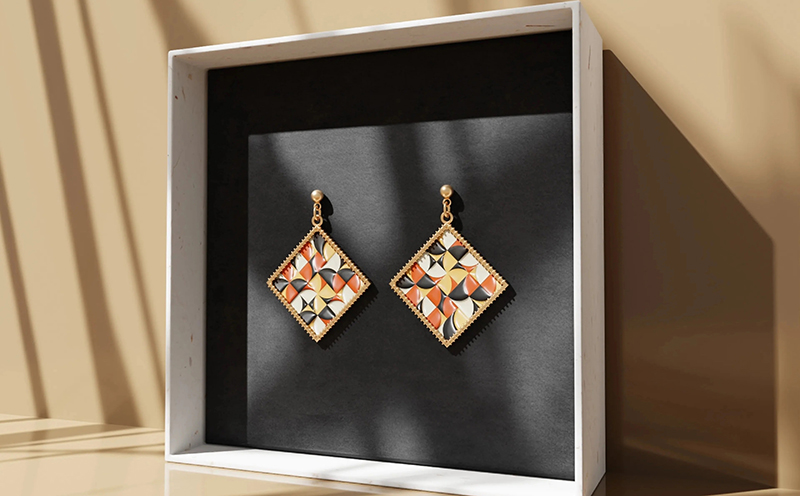
Metal
Metal panels, signs, nameplates, promotional items and industrial components can be customized with UV printing.

Plastic
Plastic products such as phone cases, keychains, containers and promotional items can be suitable for UV printing, depending on the plastic type and surface characteristics.
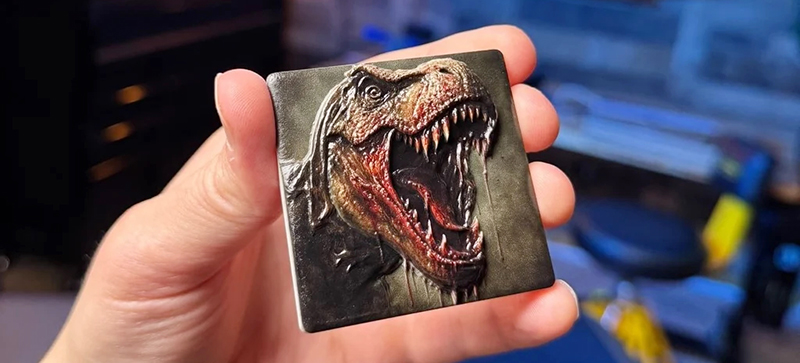
Ceramic
Ceramic tiles, decorative pieces and personalized gifts are additional applications for UV printing.
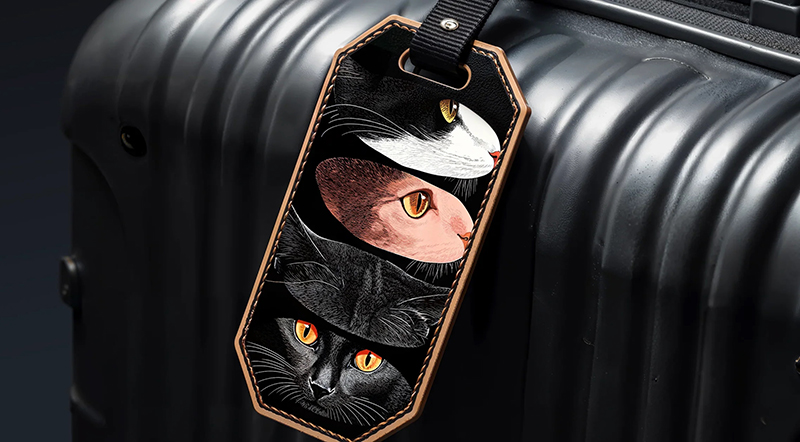
Leather and Specialty Materials
Selected leather, synthetic leather and coated materials can also be printed with appropriate UV ink and settings. Flexible substrates require attention to ink flexibility and adhesion.
Paper and Cardboard
UV printing can also be used for certain paper and board applications, particularly when decorative effects, white ink or spot varnish are required.
what is UV printing Used For?
UV printing can be used for a wide range of products, including:
* Customized gifts and souvenirs
* Phone cases and promotional products
* Acrylic signs and displays
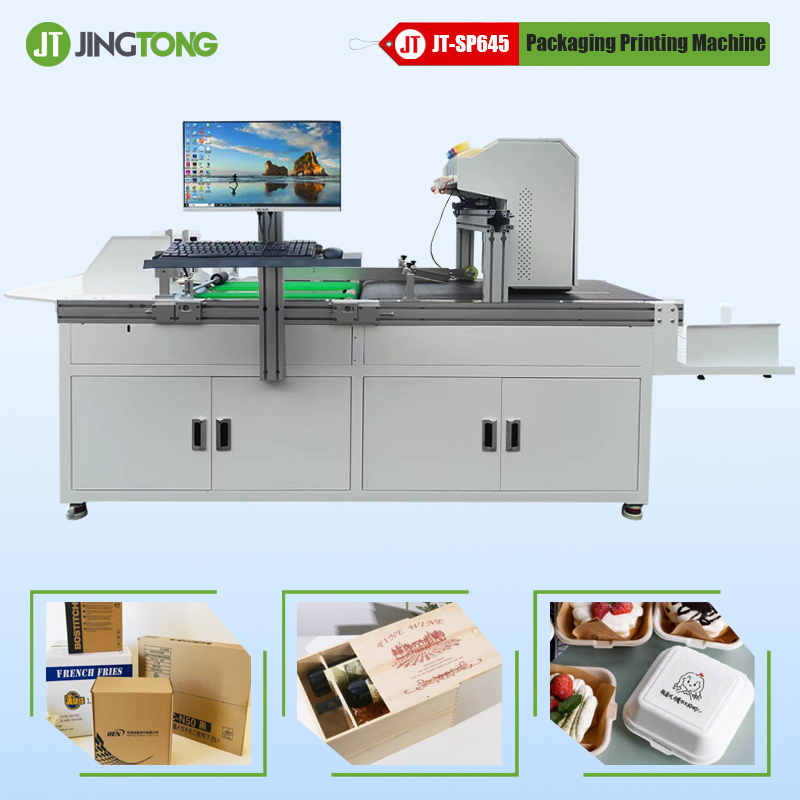
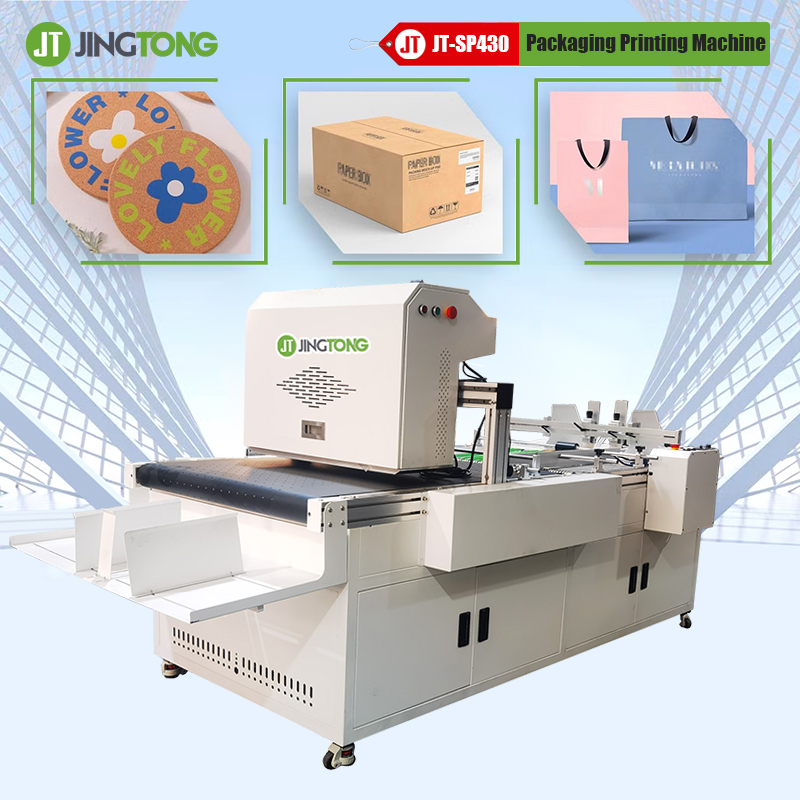
* Packaging and prototypes
* Industrial panels and labels
* Personalized bottles and tumblers
* Decorative products

Is a UV Printer Right for Your Business?
A UV printer may be a good option if you want to print directly onto different materials, offer personalized products or produce small and medium batches.
When choosing a UV printer, consider the required print size, material thickness, printhead configuration, speed, ink options and additional features such as rotary printing, varnish or vision positioning.
FAQs About UV Printing
Q: What does UV printing mean?
A: UV printing is a digital printing method where UV-curable ink is hardened using ultraviolet light during the printing process.
Q: What materials can a UV printer print on?
A: Depending on the printer and ink, UV printers can print on acrylic, wood, glass, metal, plastic, ceramic, paper, coated materials and more.
Q: Can UV printers print on transparent materials?
A: Yes. With white ink, UV printers can produce graphics on clear acrylic, glass and other transparent substrates.
Q: Can UV printing create raised effects?
A: Yes. Some UV printers use multiple layers of ink to create raised textures and decorative effects.
Q: What is the difference between UV printing and uv dtf?
A: UV printing applies the ink directly to the substrate. uv dtf prints the design onto film first and then transfers it to the target product.
Q: What should I consider when buying a UV printer?
A: Consider print size, printhead type, speed, ink configuration, material compatibility, maximum thickness, rotary capability, vision positioning and after-sales support.
get latest company news
Scan To Wechat