



register for newsletter
get latest company news
+86 13113657186



AI vision positioning uv printing combines machine vision technology with UV digital printing to improve the alignment of printed graphics on different products. Instead of relying entirely on manual positioning, a camera captures the location, orientation, and visible features of each item. The printing software then uses the image information to match the artwork with the product's actual position.
This technology is particularly useful for printing on irregularly shaped products, multiple items arranged on a flatbed, and objects that are difficult to position consistently by hand.
By reducing repetitive manual alignment, AI vision positioning helps printing businesses improve workflow efficiency and maintain more consistent graphic placement.
How Does AI Vision Positioning UV Printing Work?
The process generally involves several steps:
1. Image Capture and Recognition
A camera scans the printing area and captures images of the products placed on the printer bed or conveyor. The vision system identifies their positions, outlines, and relevant reference features.
2. Artwork Matching
The software matches the prepared designs with the recognized products. It adjusts the artwork's position and orientation according to the detected layout.
3. Automatic Position Correction
Based on the captured image, the system calculates the appropriate printing coordinates. This reduces the need for operators to measure and position every item individually.
4. UV Printing and Curing
After the positioning process is completed, the printer applies UV ink to the selected surfaces. UV lamps cure the ink during printing, forming the printed image on compatible materials.
The actual recognition performance depends on camera configuration, lighting, software, product contrast, surface features, and the printer's mechanical accuracy.
Advantages of AI Vision Positioning UV Printing
Reduced Manual Alignment
Traditional UV printing often requires operators to position products carefully and align each design manually. Vision positioning can automate much of this process, reducing repetitive setup work and helping simplify production.
Accurate Graphic Placement
The system uses captured product images to determine where each design should be printed. This is especially useful for products with irregular outlines, different orientations, or varying positions on the printing platform.
Flexible Small-Batch Customization
Businesses can print different designs on multiple products without relying on a fixed physical template for every item. This makes vision positioning useful for personalized gifts, promotional products, decorative accessories, and short-run customized orders.
Improved Production Workflow
By reducing manual positioning and repeated alignment adjustments, AI vision positioning can help streamline production. For suitable applications, it also supports more consistent printing across batches.
Applications of AI Vision Positioning UV Printing
Personalized Gifts and Souvenirs
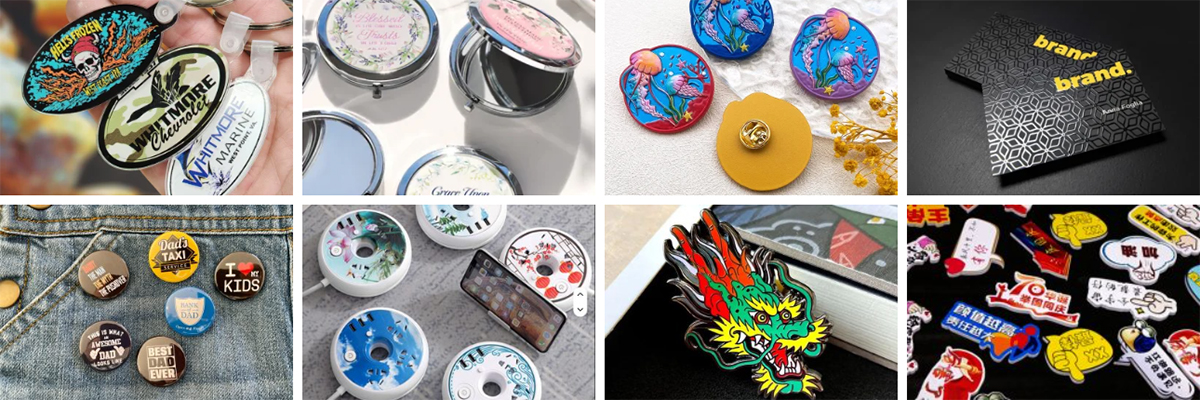
Custom keychains, badges, medals, decorative items, and other gift products often come in different shapes and sizes. Vision positioning helps match individual designs to the actual placement of each item.
Toys and Anime Accessories
Small toys, collectible accessories, and character-themed products may have different outlines and printing areas. Camera recognition can help position graphics more conveniently, provided the product surface is suitable for UV printing.
Promotional Products and Brand Accessories
Businesses can use vision positioning UV printing to decorate promotional gifts, branded accessories, and customized merchandise. It is useful when products are arranged in different positions or when several designs need to be printed in one workflow.
Industrial Components
Certain plastic, metal, and other compatible components require logos, labels, symbols, or decorative graphics in specific locations. Vision positioning can help align these graphics with the visible features of each component.
uv printers with Vision Positioning for Different Applications
The choice of a vision positioning UV printer depends on product dimensions, surface shape, production volume, and loading method.
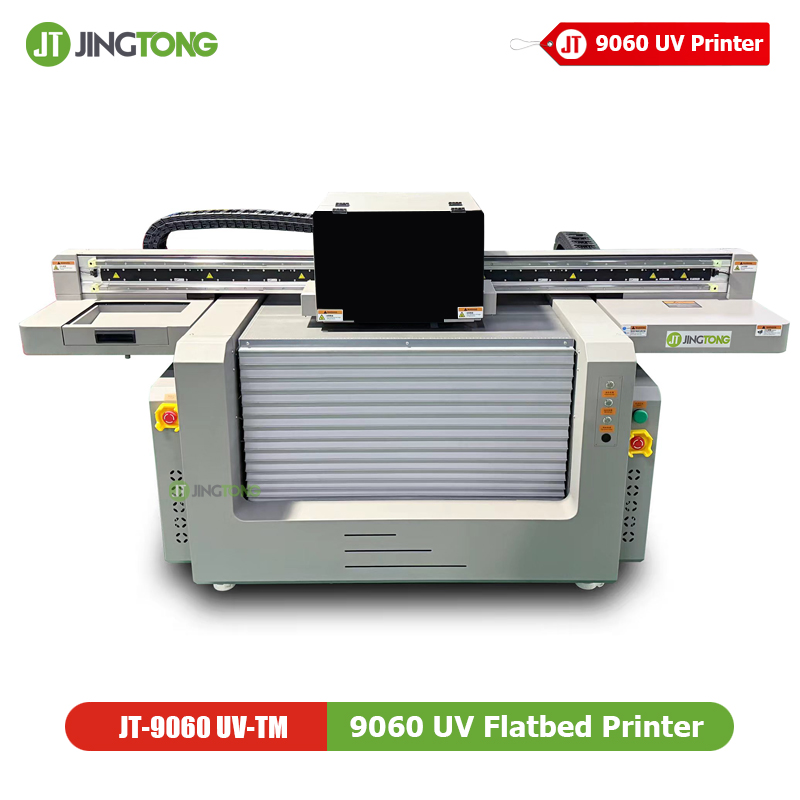
A CCD vision uv flatbed printer is suitable for applications involving flat or relatively stable products placed on a printing platform. It can be considered for badges, phone accessories, promotional gifts, decorative items, and various product components.
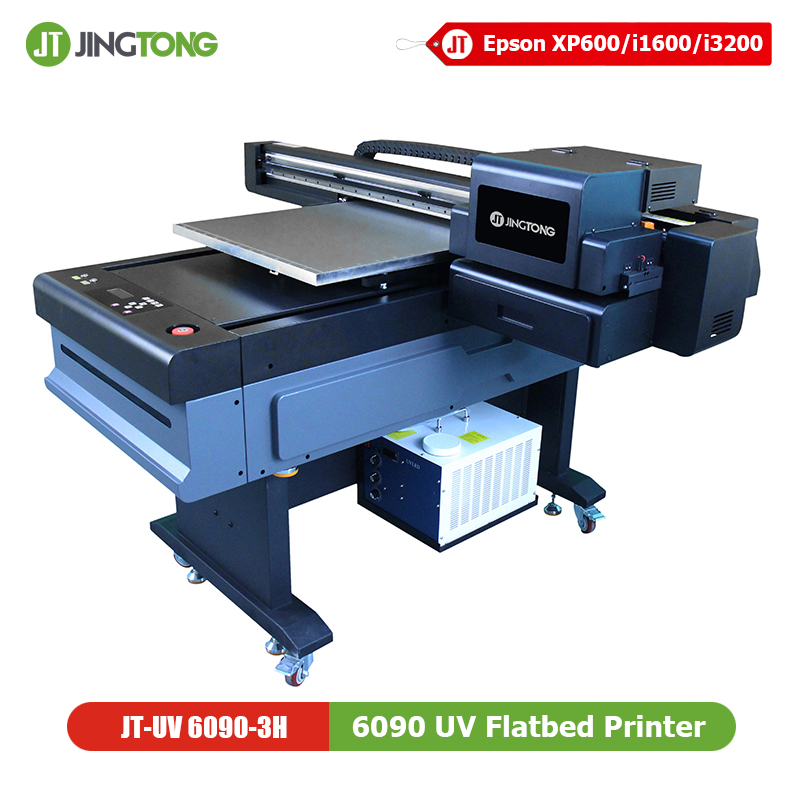
A high-clearance UV printer with AI vision positioning can be evaluated for products that require additional printing height. The available clearance, camera recognition range, and fixture design should be checked against the actual product dimensions.
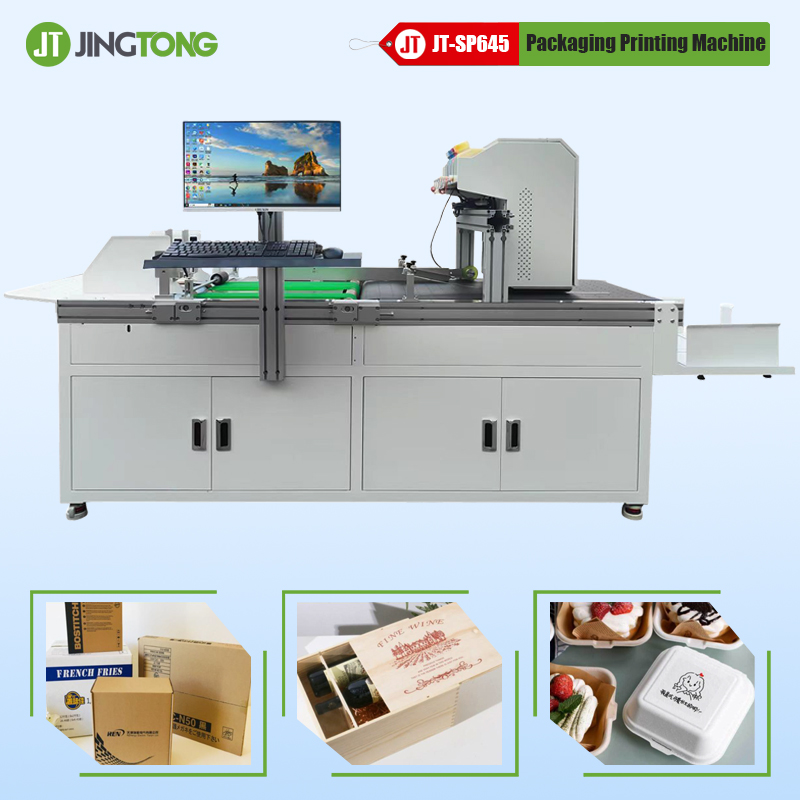
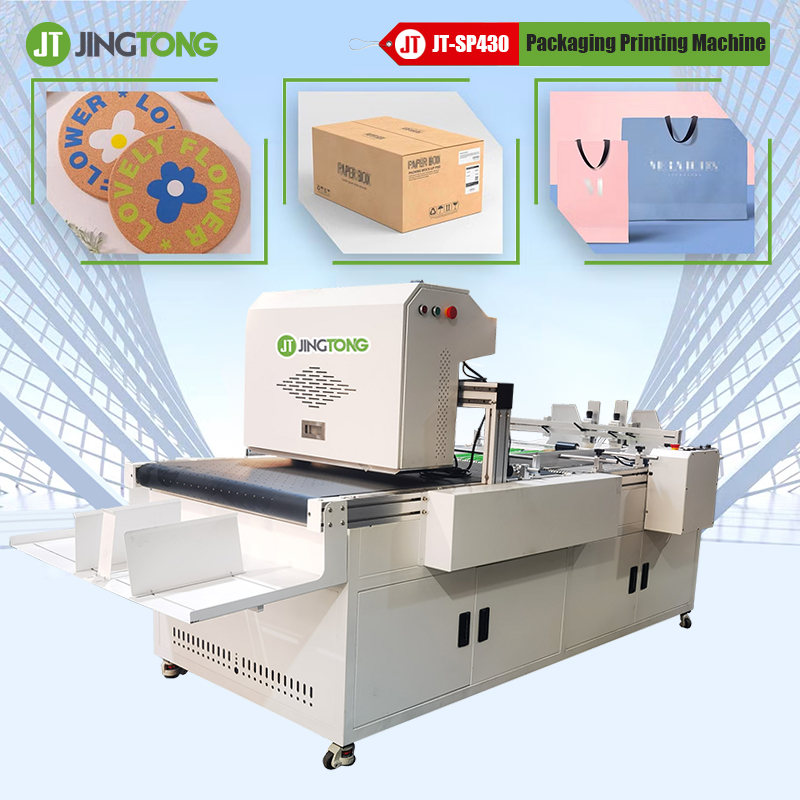
For applications involving continuous product feeding, a UV vision conveyor printer offers another approach. Its camera recognition and conveyor system can help align products as they move through the printing workflow.
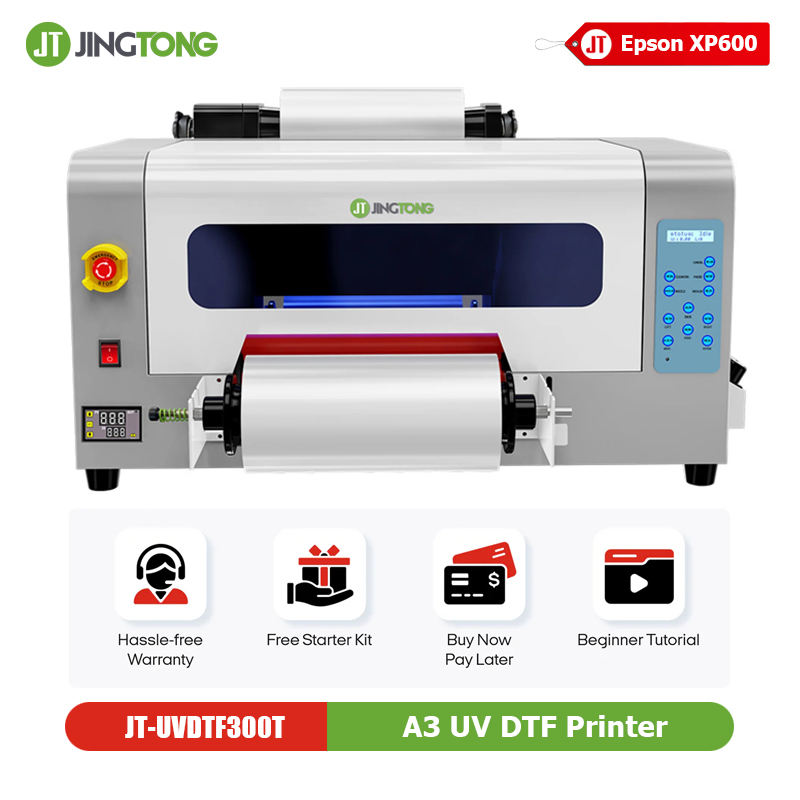
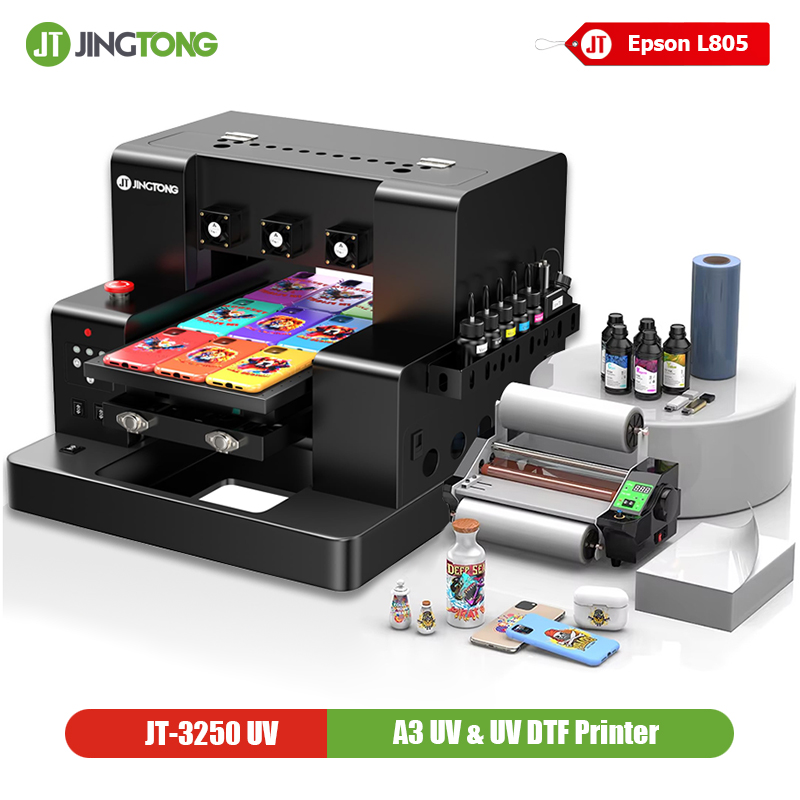
JINGTONG provides UV Printing Solutions for vision-based positioning applications, including CCD vision flatbed configurations and high-clearance printing options. The appropriate system should be selected according to the product and production requirements.
Choosing the Right AI Vision UV Printing Solution
Before selecting a machine, businesses should consider the dimensions and surface characteristics of their products, the required positioning accuracy, the number of designs per batch, and whether products will be loaded manually or through a conveyor system.
It is also important to test actual samples. Product color, surface contrast, reflective areas, irregular edges, and lighting conditions may affect camera recognition. Ink adhesion and curing performance should also be evaluated for the selected substrate.
With a suitable vision system and UV printer configuration, AI vision positioning can make customized product printing more flexible, reduce manual alignment work, and support more efficient digital production.
get latest company news
Scan To Wechat