


register for newsletter
get latest company news
+86 13113657186



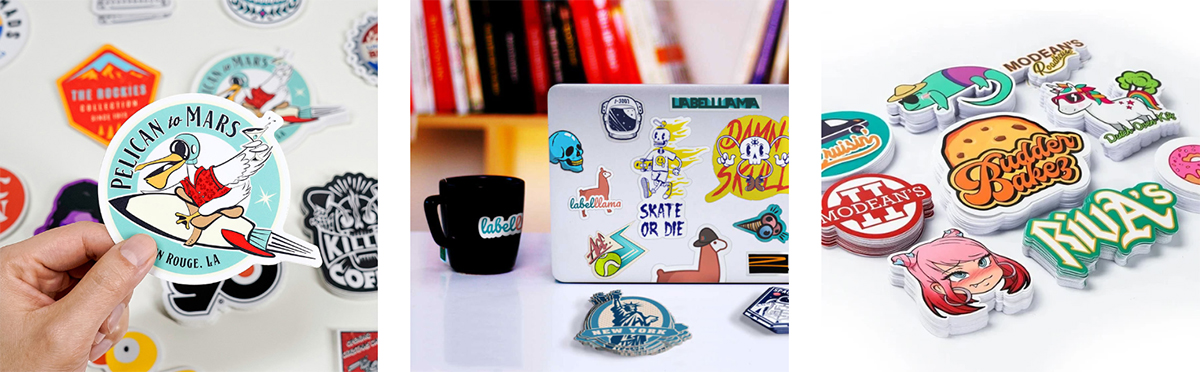
Graphic stickers and decals are widely used in advertising, product branding, packaging, vehicle decoration, and personal customization. From company logos and product labels to decorative graphics for laptops, phones, and water bottles, customized stickers offer a flexible way to display designs on different surfaces.
UV Sticker Printing uses UV-curable ink to produce colorful graphics, detailed patterns, and text on compatible sticker materials. digital printing makes it easy to change designs and produce customized orders without traditional printing plates. White ink, varnish, and multi-layer printing can also create additional visual effects, including glossy finishes and raised textures.
Applications of UV Printed Stickers
Vinyl Die-Cut Stickers are commonly used for advertising, branding, and personal decoration. Custom shapes and graphics can be printed on compatible vinyl sticker media and then cut into specific designs. Applications include car decals, window stickers, laptop stickers, helmet graphics, product labels, and promotional stickers. Combining uv printing with a suitable cutting process allows businesses to produce customized stickers in different shapes and sizes.
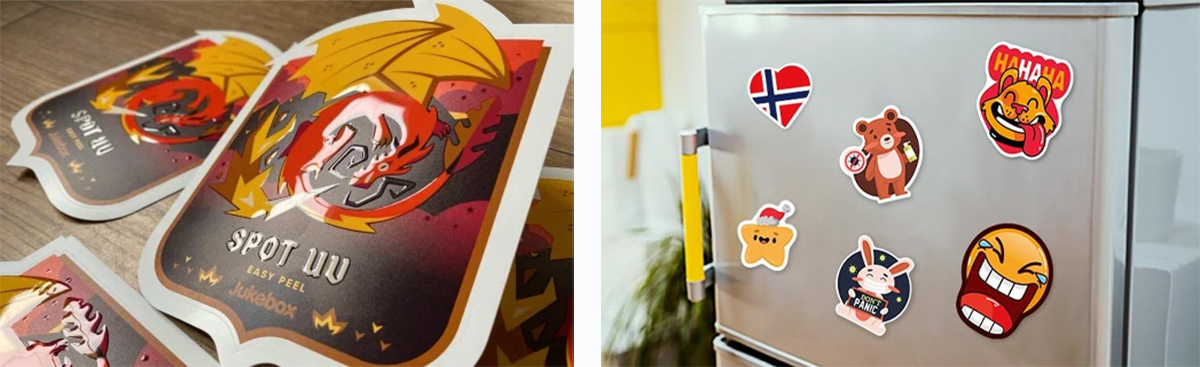
Spot UV and 3D Embossed Stickers use selective varnish and multi-layer printing to create distinctive surface effects. Glossy details can highlight logos, text, or selected parts of a design, while raised printing adds a tactile dimension. These stickers are suitable for premium product labels, packaging decoration, brand logos, and promotional materials.
Magnetic Stickers provide another option for advertising and decorative applications. Printed magnetic sheets can be used for vehicle graphics, refrigerator magnets, magnetic signs, and promotional displays. UV printing allows businesses to customize magnetic materials with logos, photographs, and colorful designs. The magnetic material and its surface coating should be compatible with the selected ink and printing process.
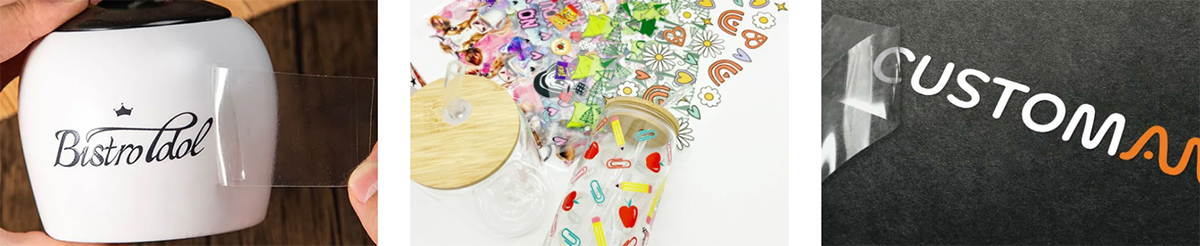
uv dtf Transfer Stickers offer a different way to decorate products without printing directly onto each object. The design is printed onto uv dtf ab film and transferred to a compatible surface using the transfer film system. This method is suitable for customizing glass, metal, plastic, acrylic, ceramics, wood, and selected leather products. It is particularly useful for curved objects, small accessories, and products that are difficult to position on a flatbed printer.
Choosing a uv printer for Sticker Production
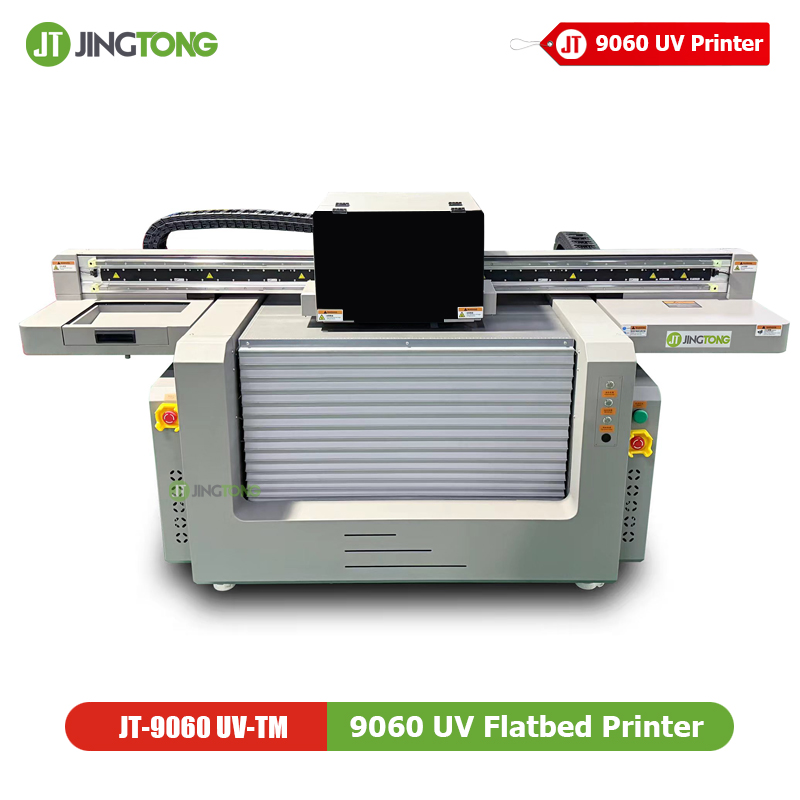
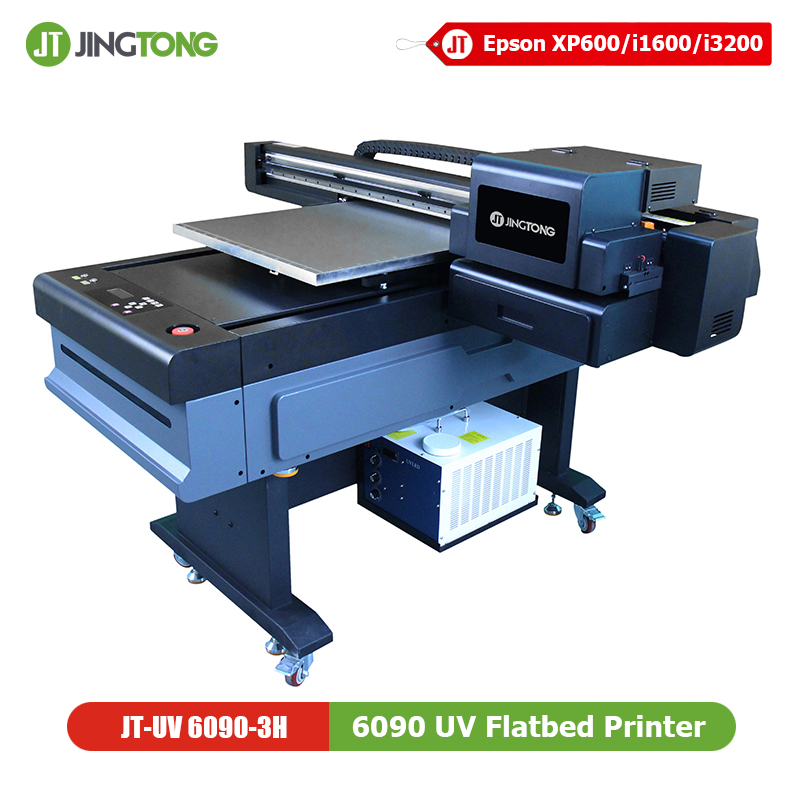
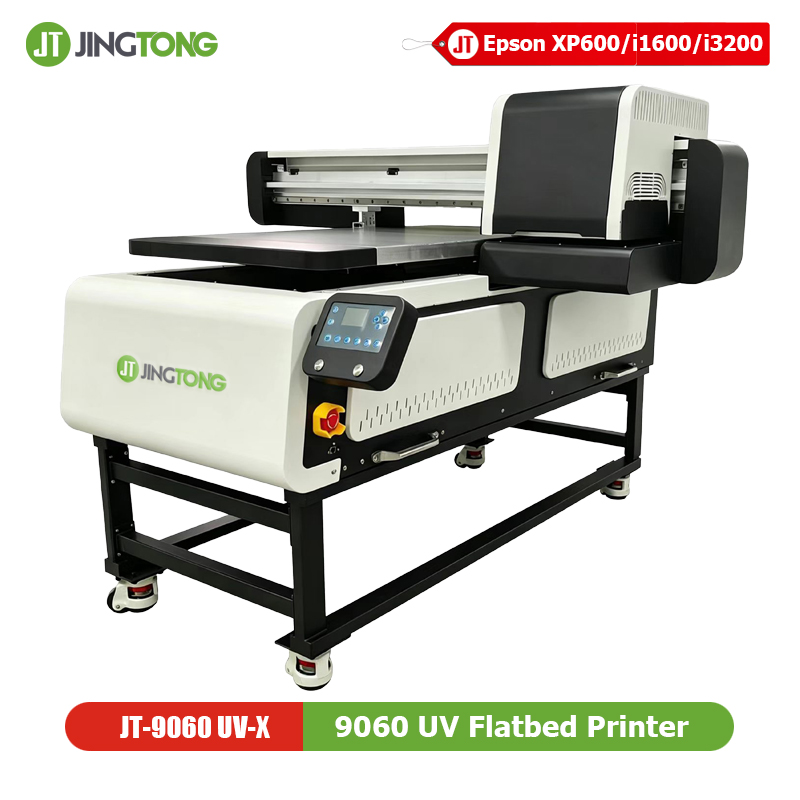
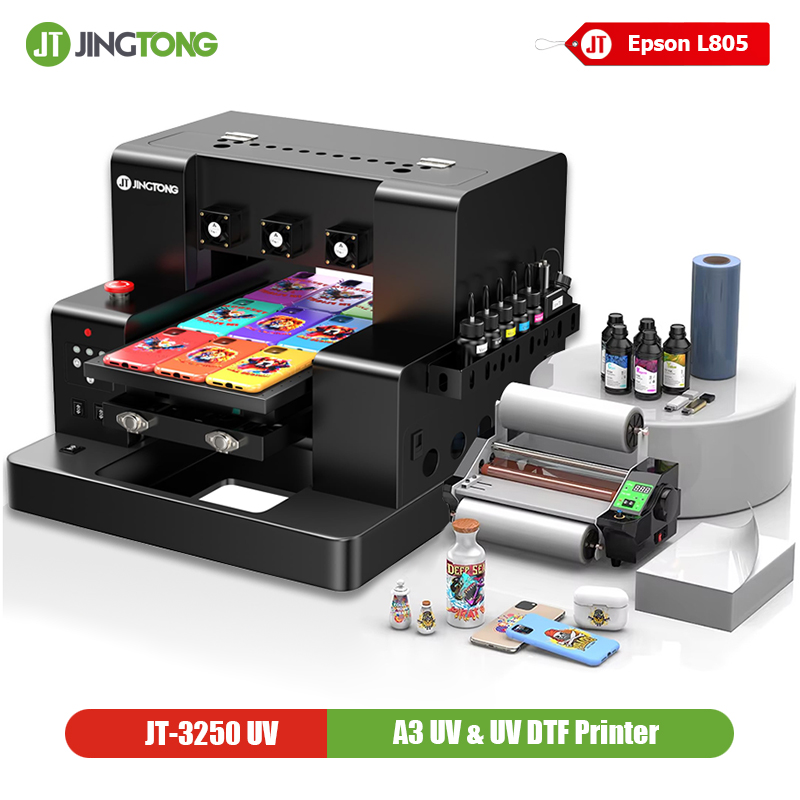
A UV Flatbed Printer can print directly onto compatible vinyl sticker sheets and other flat sticker materials. It is suitable for customized decals, product labels, promotional stickers, and spot UV effects. A separate cutting machine may be required when stickers need specific die-cut shapes.
A Hybrid UV Printer combines flatbed and roll-to-roll printing capabilities. It provides flexibility for businesses handling both flat sticker sheets and compatible roll media, including certain label and decal production applications.
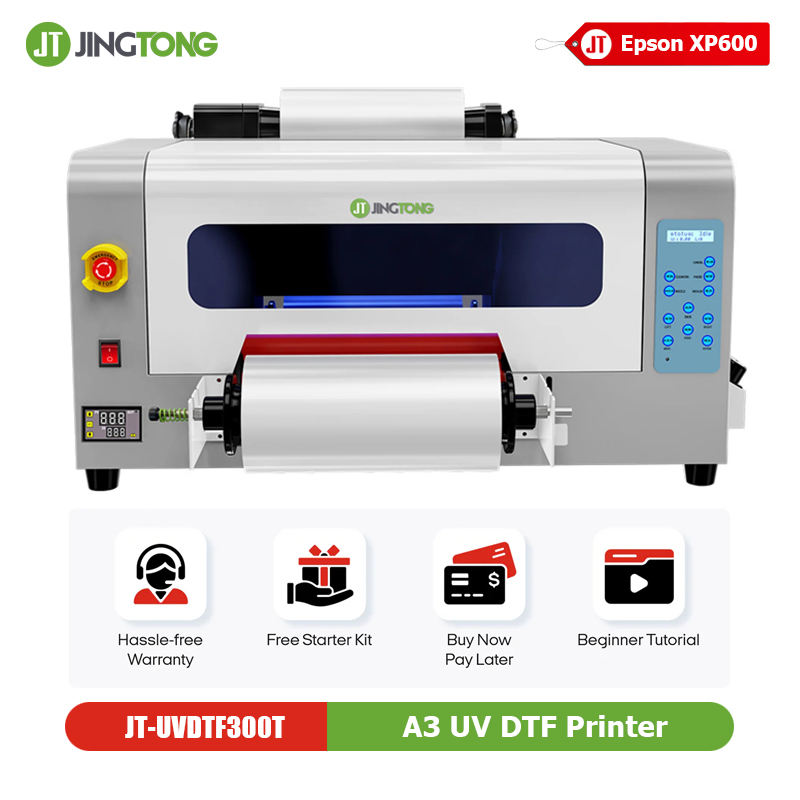
A Roll-to-Roll UV DTF Printer prints designs onto UV dtf film for transfer onto different product surfaces. Some systems integrate printing and laminating, helping streamline the production process. This solution is suitable for businesses producing customized transfer stickers for drinkware, packaging, electronic accessories, promotional gifts, and other compatible products.
UV Sticker Printing Solutions for Customized Products
UV sticker printing allows printing businesses, advertising suppliers, and brand owners to develop different types of customized graphics for commercial and personal use. From die-cut vinyl decals and premium spot UV labels to magnetic graphics and UV dtf transfers, each printing method serves different production requirements.
JINGTONG UV Printing Solutions can be evaluated according to sticker material, media format, cutting requirements, printing effects, and production volume. Before mass production, actual samples should be tested for ink adhesion, curing, lamination compatibility, and application performance. For uv dtf transfers, the compatibility of the AB film, adhesive layer, and target surface should also be verified to ensure reliable transfer results.
get latest company news
Scan To Wechat