


register for newsletter
get latest company news
+86 13113657186



Premium packaging is not always about using expensive materials. With the right combination of structural design, printing quality, and finishing techniques, businesses can create attractive packaging while keeping production costs under control.
From folding cartons to corrugated boxes, digital printing and decorative finishing technologies offer flexible options for customized packaging.
Choosing the Right Packaging Material
Material selection is one of the most important factors affecting packaging cost and appearance.
Folding Cartons are commonly used for cosmetics, food, electronics, and retail products. They offer various structural and printing options and can be stored and shipped flat.
Rigid Boxes provide a sturdy structure and premium presentation. They are often used for gifts, luxury products, and high-end electronics, although their production costs are generally higher.
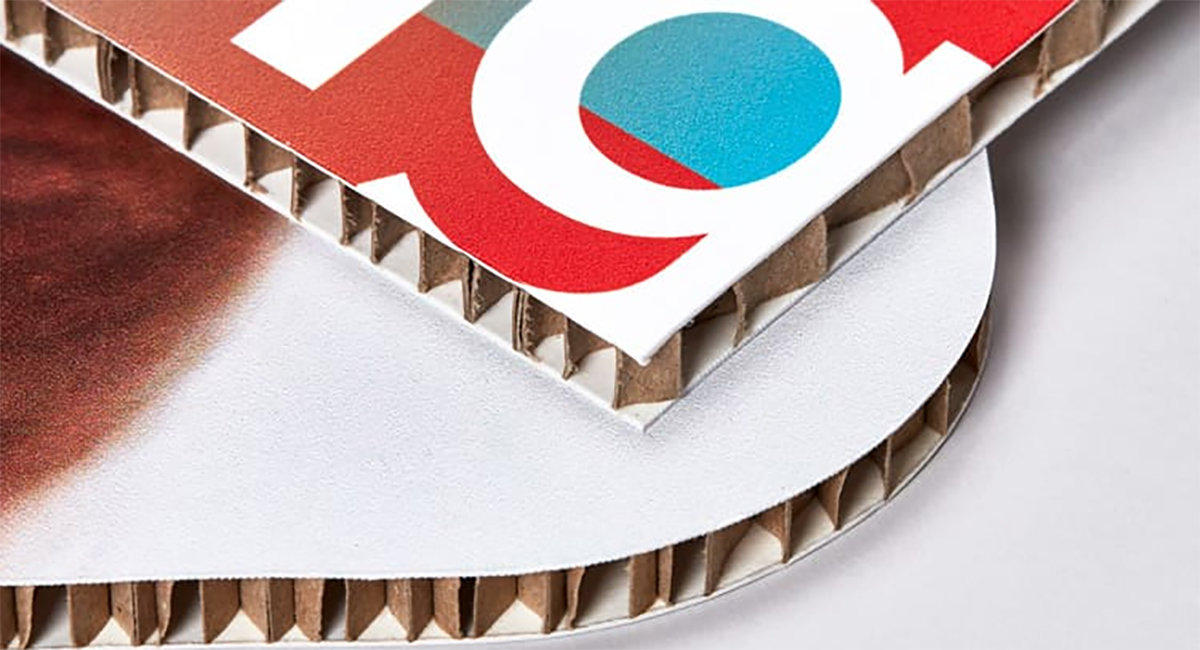
Corrugated Boxes combine protective strength with practical packaging applications. They are widely used for shipping, e-commerce, and customized product packaging.
The best choice depends on product protection, packaging design, production quantity, and budget.
Digital Printing for Premium Packaging
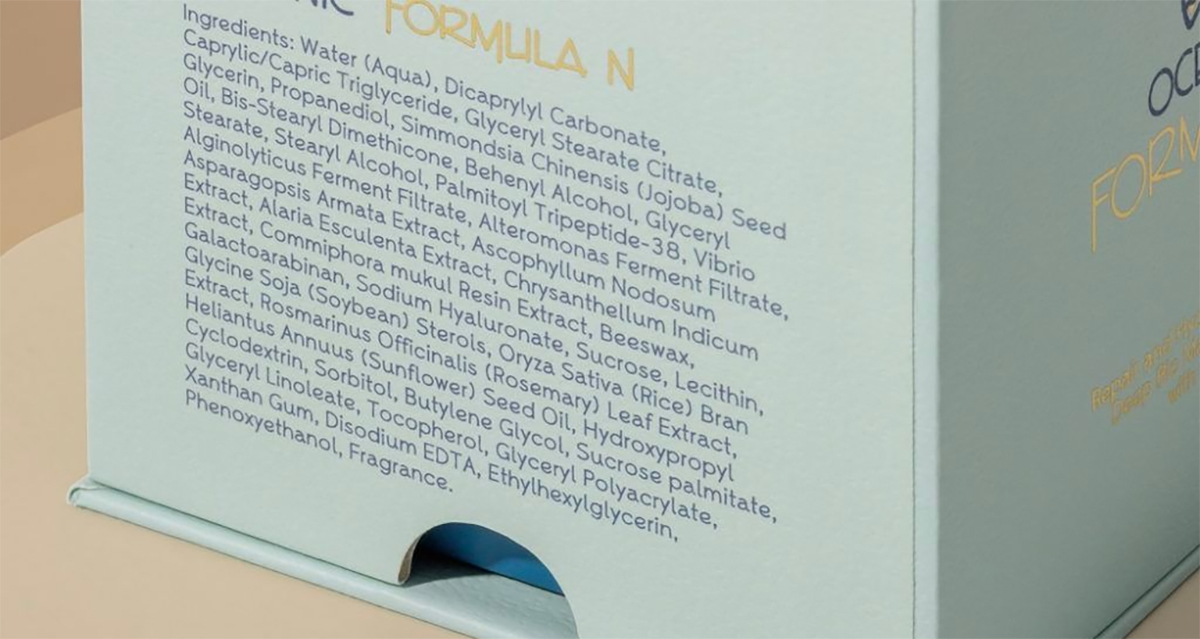
Printing quality plays an important role in the appearance of premium packaging. Logos, product images, colors, and graphics all contribute to the overall brand presentation.
Digital printing offers flexibility for customized packaging, short production runs, and frequently changing designs without conventional printing plates.
digital inkjet technology can be used for printing graphics and branding elements on compatible paper-based packaging materials. For corrugated boxes, digital printing supports customized designs and promotional packaging.
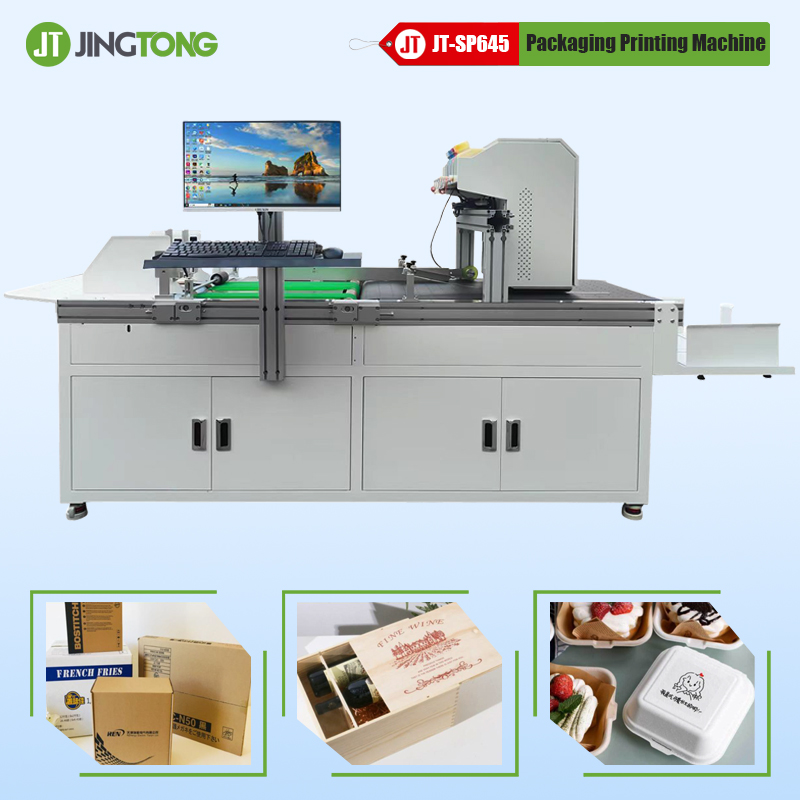
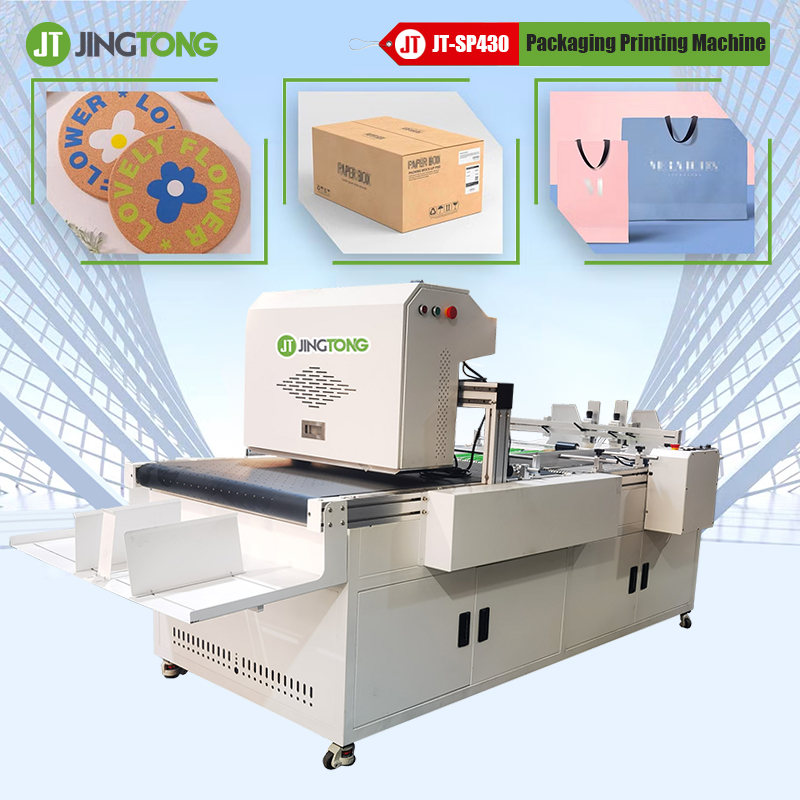
Single-pass digital inkjet systems are particularly suitable for industrial production workflows, using fixed printheads while the substrate moves through the printing area.
The final print quality depends on the printer configuration, ink, substrate, and color management settings.
Finishing Techniques for Premium Packaging
Finishing processes can significantly improve the appearance and texture of packaging.
Matte and Gloss Lamination
Matte lamination creates a smooth, understated appearance, while gloss lamination enhances color brightness and surface shine. Both can provide additional surface protection.
Hot Foil Stamping
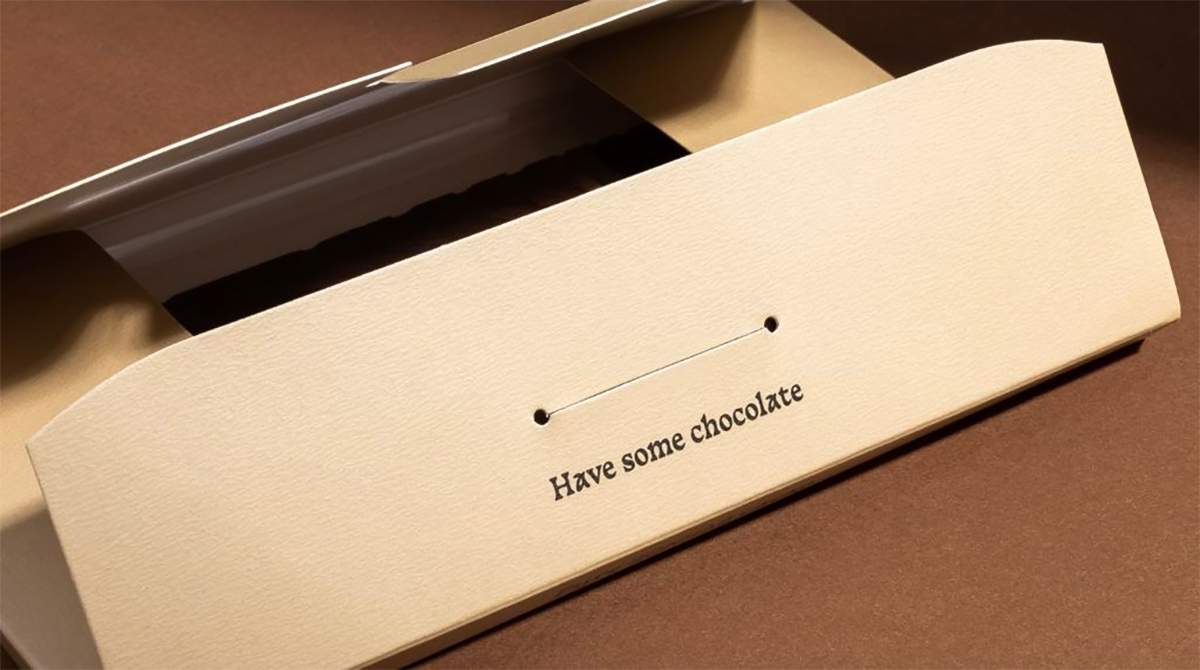
Hot foil stamping transfers metallic or decorative foil onto selected areas using heat and pressure. Gold and silver foil are commonly used for logos, brand names, and decorative details.
Embossing and Debossing
Embossing creates raised patterns, while debossing presses designs into the material. These techniques add texture and a distinctive tactile effect.
Spot UV Coating
Spot UV applies a glossy coating to selected areas, creating contrast between coated and uncoated surfaces. It is often used to highlight logos and important design elements.
Choosing compatible finishing processes is important for achieving consistent results.
How to Control Premium Packaging Costs
Creating attractive packaging does not necessarily require the most expensive materials or complicated structures.
Several factors can help businesses manage production costs:
● Optimize Box Dimensions: Choose appropriate internal dimensions to reduce unnecessary material use and shipping volume.
● Simplify Structural Design: Standard box structures can reduce production complexity.
● Select Suitable Materials: Match material strength and appearance to the actual product requirements.
● Plan Printing and Finishing: Combining suitable printing and finishing processes can help avoid unnecessary production steps.
● Test Before Mass Production: Physical samples help identify problems with colors, artwork positioning, folding, and finishing before large orders begin.
The final cost depends on material, quantity, printing method, finishing requirements, and production workflow.
Choosing the Right Printing and Finishing Equipment
Different packaging products require different production technologies.
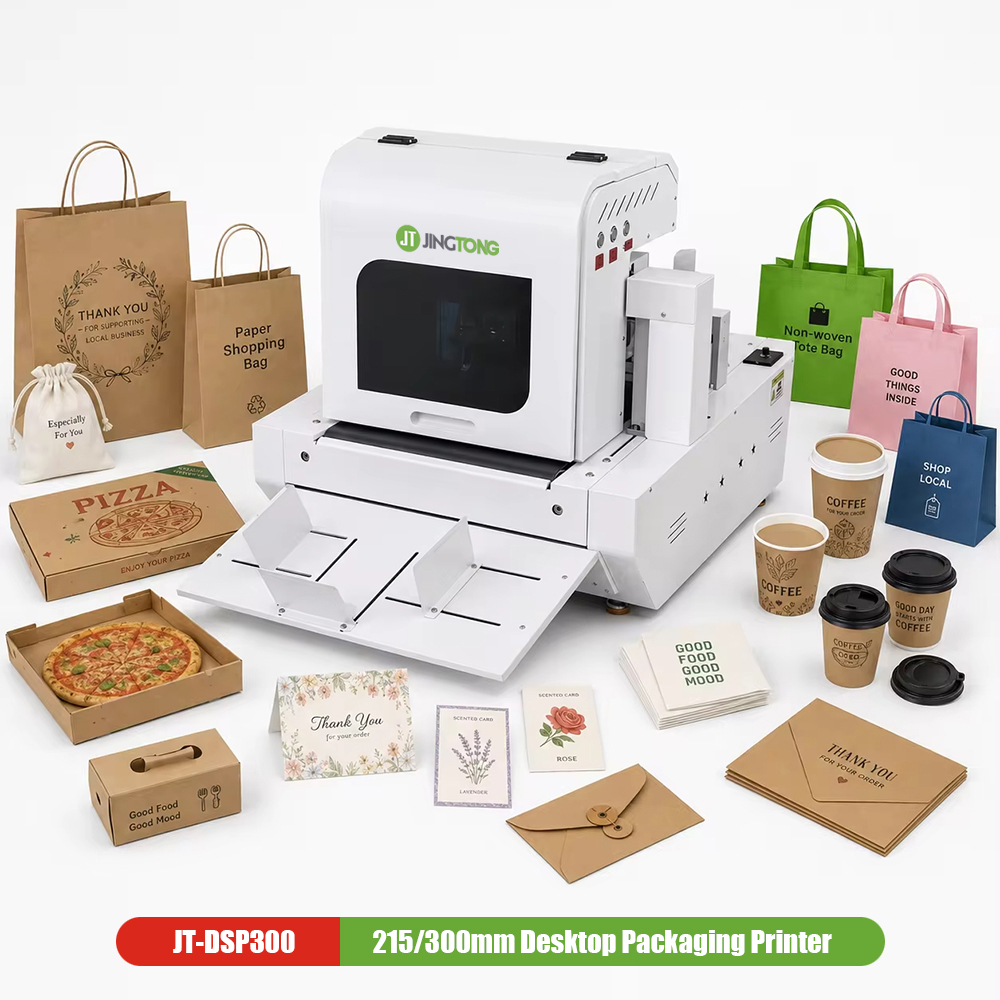
digital packaging printers are suitable for customized graphics, short-run orders, and digital inkjet printing on compatible paper-based materials.
For decorative packaging, Hot Foil Stamping Machines can add metallic details, while embossing equipment creates raised or recessed designs.
Businesses should evaluate substrate compatibility, working area, production capacity, and finishing requirements before selecting equipment.
Testing actual packaging samples is also important to ensure that printing and finishing processes work well together.
Final Thoughts
Premium packaging can be achieved through a combination of suitable materials, effective artwork, quality printing, and decorative finishing.
Digital packaging printing provides flexibility for customized production, while foil stamping, embossing, and other finishing techniques add distinctive visual and tactile effects.
By choosing the right materials and production equipment, packaging manufacturers can create attractive products while maintaining better control over manufacturing costs.
get latest company news
Scan To Wechat