


register for newsletter
get latest company news
+86 13113657186



Reducing ink consumption in packaging printing helps manufacturers control production costs, minimize material waste, and improve printing efficiency. For businesses producing corrugated boxes, paper cartons, and customized packaging, optimizing artwork and printing conditions can make a significant difference.
Here are seven practical ways to reduce ink usage while maintaining good print quality.
1. Choose Appropriate Fonts
Text-heavy packaging designs can consume unnecessary ink when using thick fonts and large text areas. Choosing thinner fonts where appropriate can reduce ink coverage while keeping product information clear and readable.
2. Optimize Artwork Layout
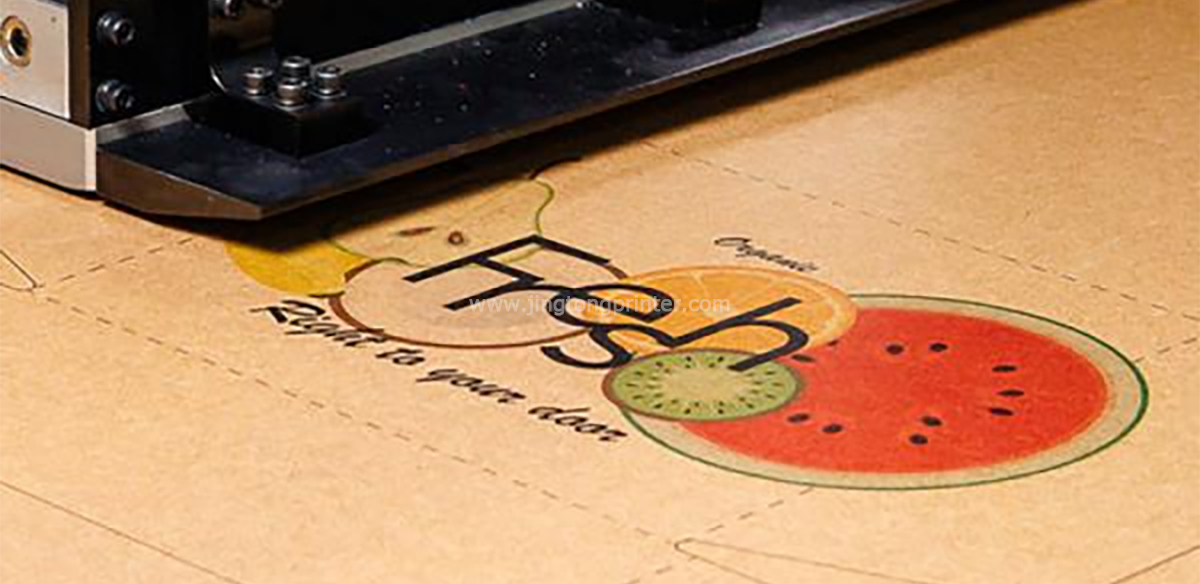
An efficient artwork layout helps minimize unnecessary printed areas. Arrange logos, text, and graphics carefully to avoid excessive ink coverage. For Corrugated Box Printing, a well-planned design can maintain visual appeal while reducing printing costs.
3. Use Grayscale Images When Suitable
Not every packaging image requires full-color printing. For certain illustrations, technical graphics, and product information, grayscale printing can reduce color ink consumption.
However, brand colors and important product graphics should retain their intended appearance.
4. Select the Right Printing Substrate
Different packaging materials absorb ink differently. Corrugated cardboard, kraft paper, and coated paperboard have different surface characteristics that influence ink absorption and print quality.
Selecting a substrate compatible with the printing technology and ink type helps achieve better results without excessive ink usage.
5. Optimize Packaging Dimensions
Reducing unnecessary packaging dimensions can decrease the total printing area and material consumption. For customized shipping boxes and retail packaging, optimizing box dimensions according to product requirements can improve overall production efficiency.
6. Avoid Excessive Solid Color Coverage
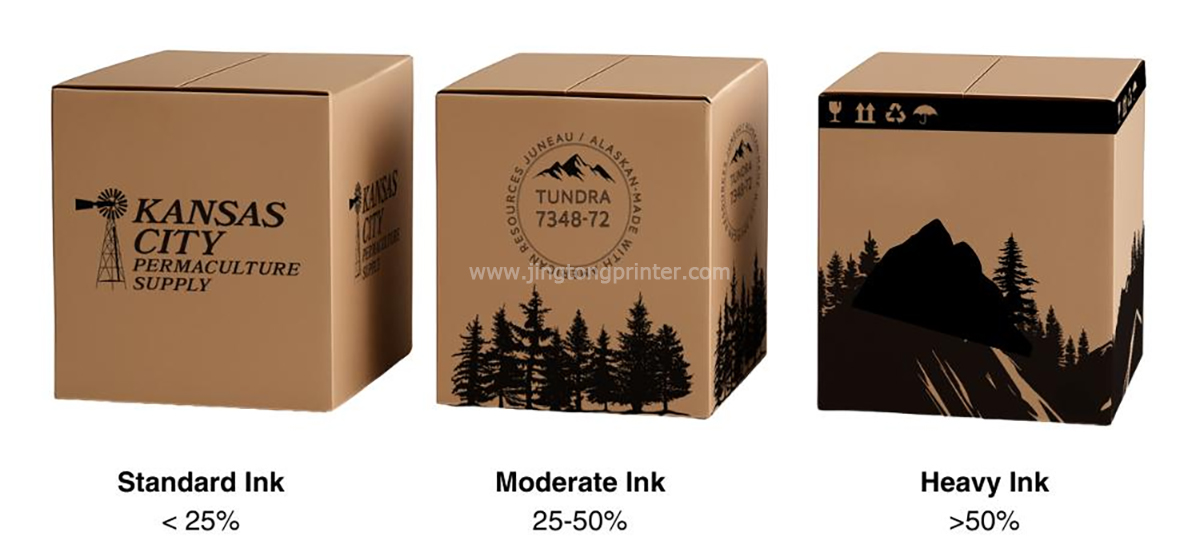
Large solid-color backgrounds generally require more ink than designs with limited coverage. Using lighter backgrounds, halftone patterns, or carefully arranged graphics can help Reduce Ink Consumption while maintaining an attractive packaging appearance.
7. Test and Adjust Printing Parameters
Before starting large production runs, conduct printing trials to evaluate ink usage and print quality. Adjust appropriate parameters such as print resolution, ink limits, color profiles, and printing modes according to the machine, ink, and substrate.
Regular testing helps manufacturers find a suitable balance between ink consumption, printing speed, and image quality.
Improve Packaging Printing Efficiency with digital inkjet Technology
Reducing ink consumption requires more than changing artwork designs. Proper substrate selection, color management, and printing parameter optimization are equally important.
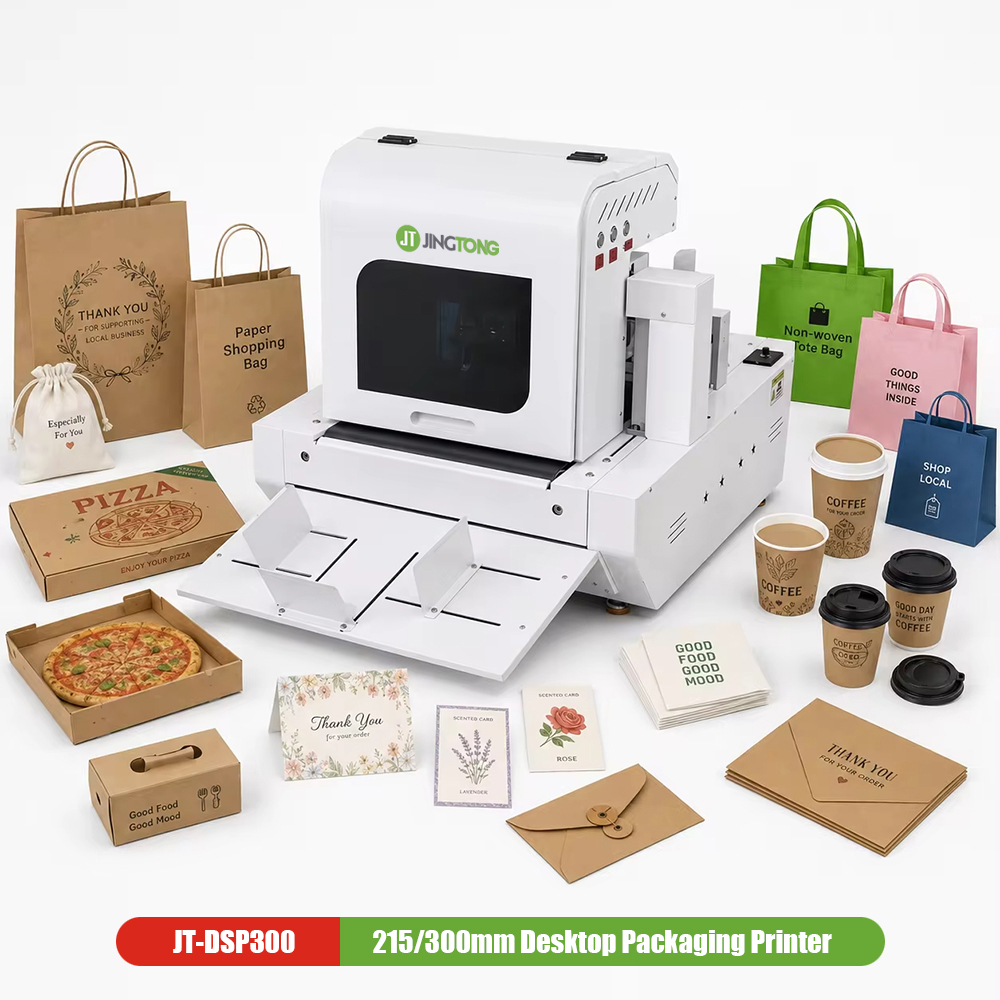
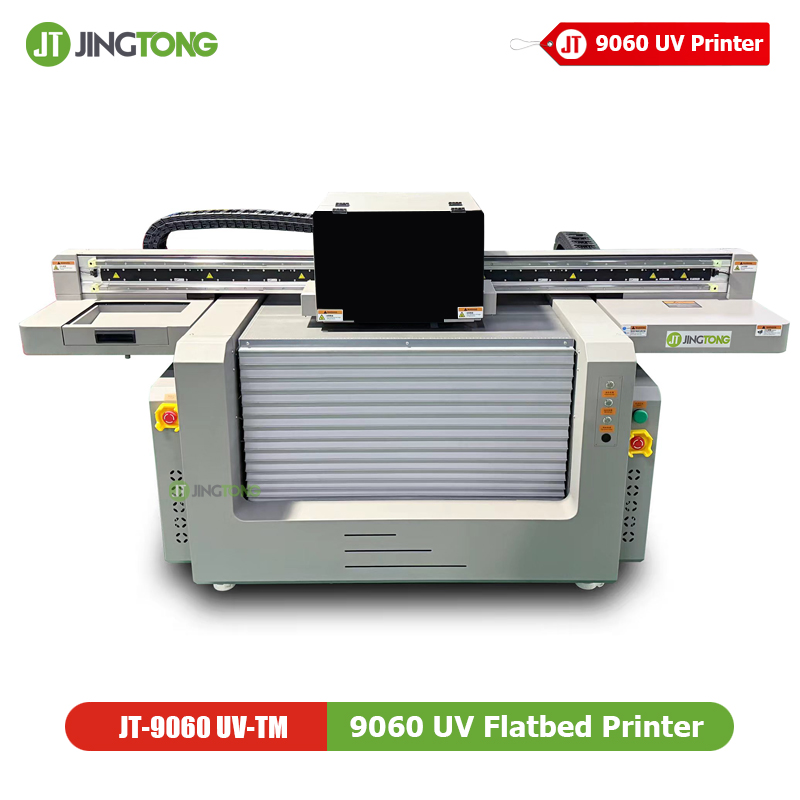
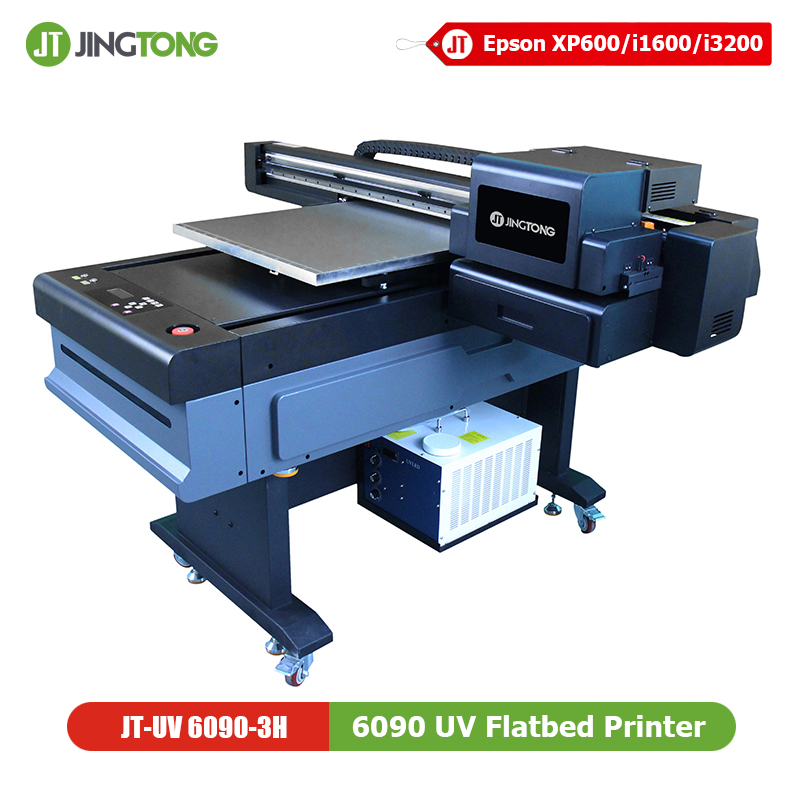
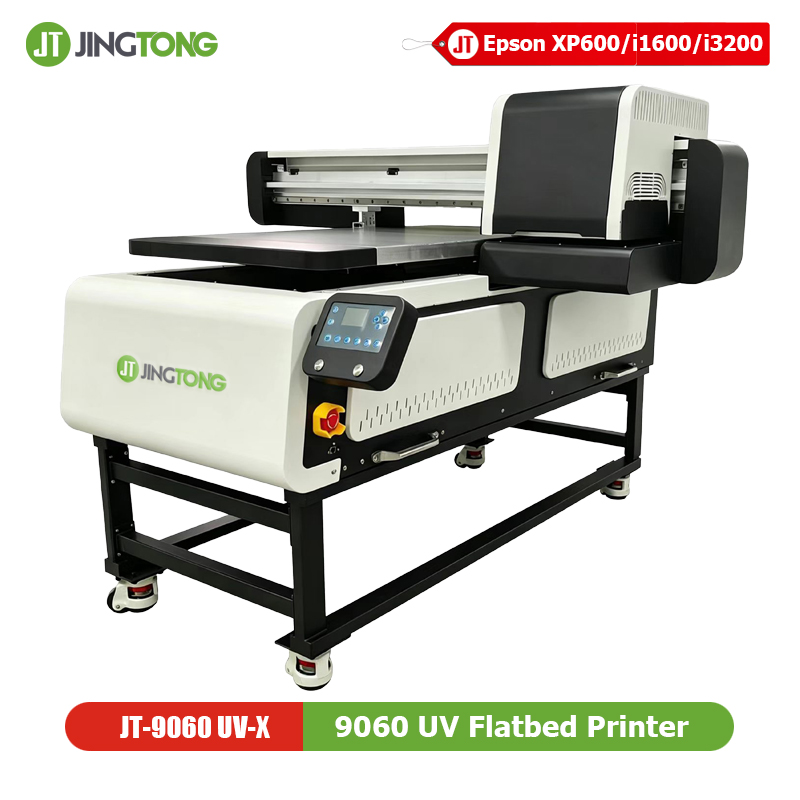
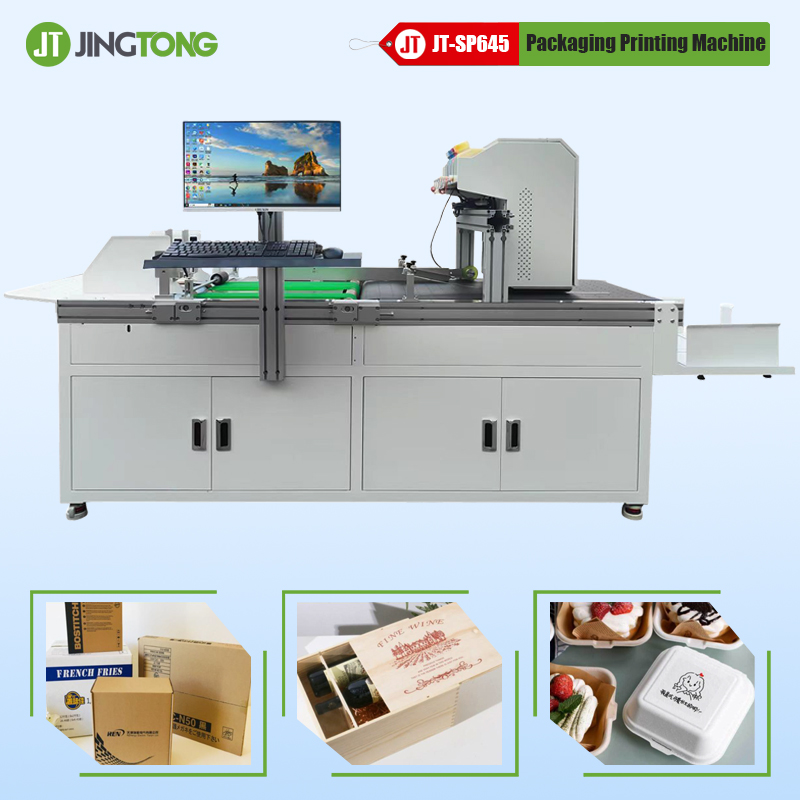
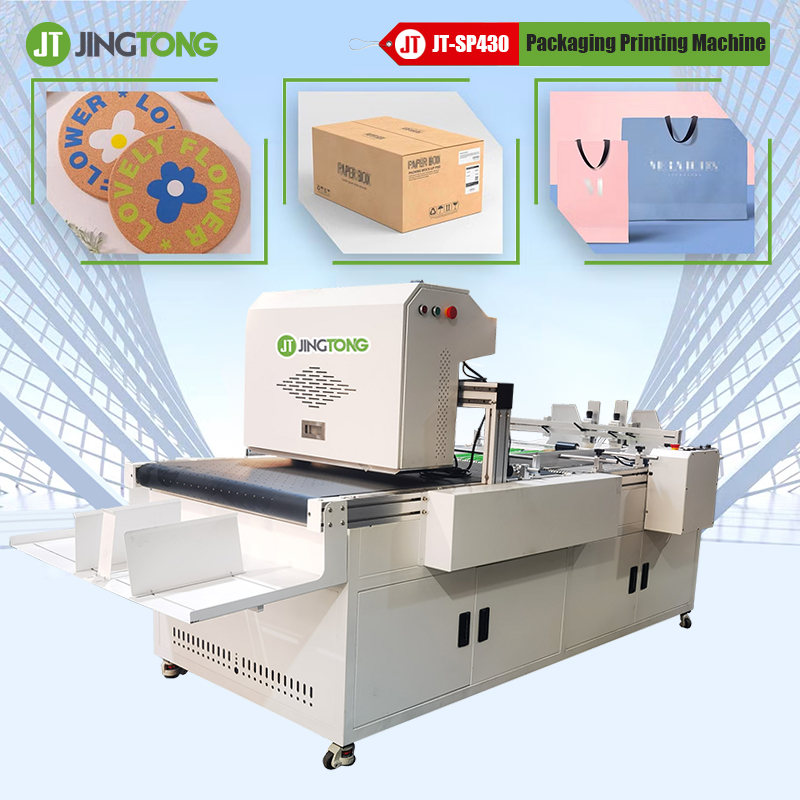
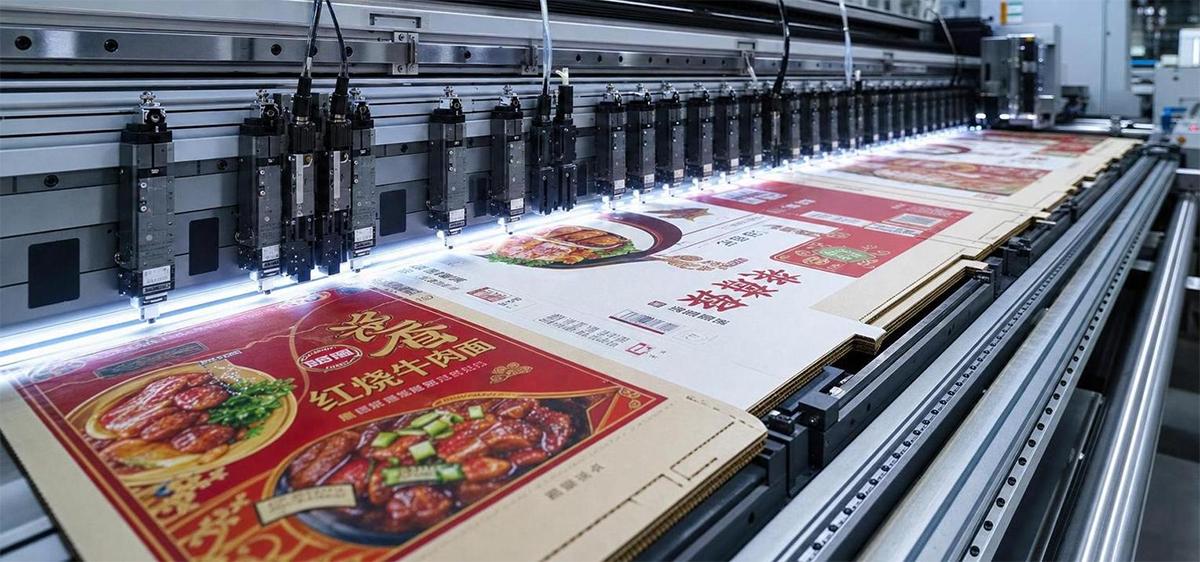
For packaging manufacturers producing corrugated boxes, paper cartons, and customized paper packaging, digital inkjet printing offers flexible production with direct-to-substrate printing and no traditional printing plates.
JINGTONG provides Digital packaging printing solutions, including single-pass printing equipment for corrugated cardboard and other paper-based packaging applications.
By combining optimized artwork with suitable printing equipment and production settings, businesses can reduce unnecessary ink consumption while maintaining consistent print quality and improving packaging production efficiency.
get latest company news
Scan To Wechat