


register for newsletter
get latest company news
+86 13113657186



packaging printing plays an important role in product presentation, brand recognition, and product information. From corrugated shipping boxes and folding cartons to flexible packaging and product labels, different printing technologies are used to meet various production requirements.
Each packaging printing process has its own advantages and limitations in terms of printing quality, production speed, cost, and material compatibility.
Understanding these technologies helps packaging manufacturers choose the right printing solution for their products and production needs.
Common Printing Technologies Used in Packaging
Several printing processes are widely used in the packaging industry. The most common methods include:
● Flexographic Printing: A rotary printing process widely used for corrugated cardboard, paper bags, labels, and flexible packaging. It is suitable for high-volume production and various substrates.
● Offset Printing: Commonly used for folding cartons and paperboard packaging. It delivers sharp images, detailed graphics, and consistent colors, making it suitable for premium retail packaging.
● Gravure Printing: Often used for flexible packaging, plastic films, and labels. It provides excellent image reproduction and is suitable for large production runs.
● Screen Printing: Used for printing on materials such as plastic, glass, and metal. It supports special inks and decorative effects for customized packaging.
● Digital Printing: Transfers artwork directly from digital files without traditional printing plates. It is ideal for customized packaging, short production runs, and frequent design changes.
● Letterpress Printing: A traditional printing method that creates distinctive embossed or pressed effects. It is mainly used for specialty labels and luxury packaging.
● Inkjet Printing: Uses digitally controlled ink droplets to print graphics, text, barcodes, and variable information. Industrial inkjet systems can also support direct printing on corrugated cardboard and other compatible packaging materials.
The best printing process depends on the packaging material, order quantity, design complexity, required print quality, and production budget.
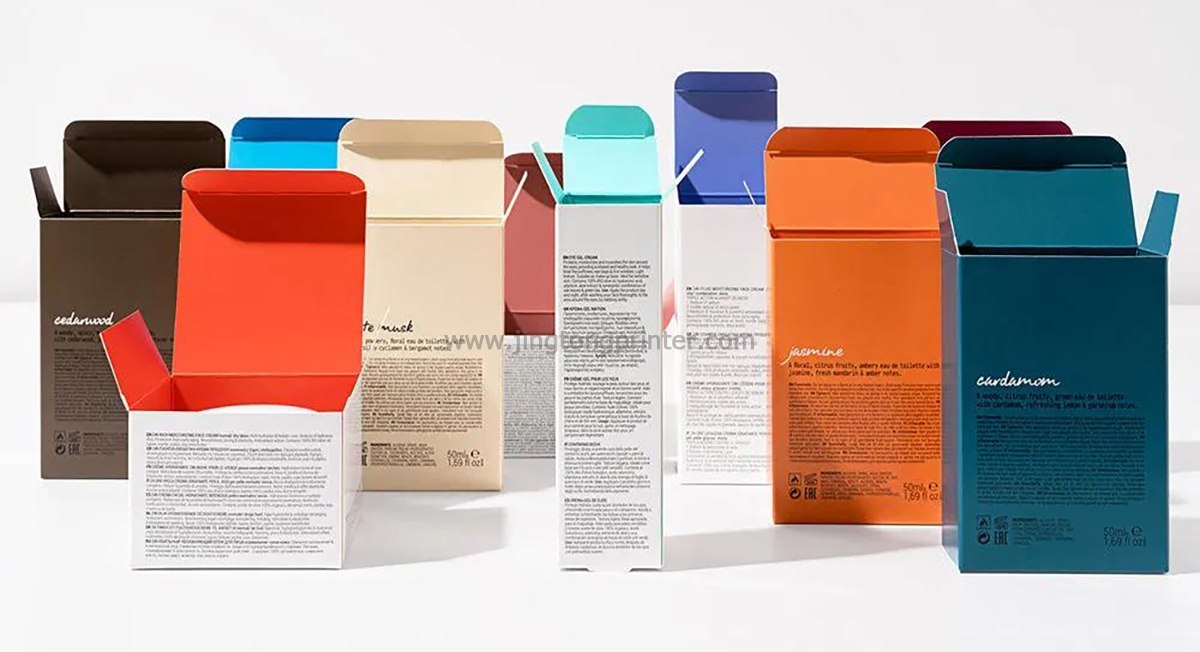
Advantages and Disadvantages of Different Packaging Printing Processes
Each printing technology offers different benefits for packaging manufacturers. Understanding these differences can help businesses select an appropriate solution.
Flexographic Printing
Advantages:
● High production speed for large-volume orders.
● Suitable for corrugated cardboard and flexible packaging materials.
● Competitive unit costs for long production runs.
Disadvantages:
● Requires printing plates or sleeves.
● Initial setup can be costly for customized designs.
● Frequent design changes may increase preparation time and expenses.
Offset Printing
Advantages:
● Excellent image quality and detailed graphic reproduction.
● Suitable for folding cartons and premium paperboard packaging.
● Consistent color performance for large production runs.
Disadvantages:
● Requires printing plates and initial setup.
● Less economical for small production batches.
● Not directly suitable for every packaging material.
Gravure Printing
Advantages:
● Excellent reproduction of fine details and continuous-tone images.
● Suitable for long production runs.
● Widely used for flexible packaging and plastic films.
Disadvantages:
● High initial investment in engraved cylinders.
● Expensive setup for short production runs.
● Less flexible when frequent artwork changes are required.
Screen Printing
Advantages:
● Suitable for different materials, including plastic, glass, and metal.
● Supports special inks, thick ink layers, and decorative effects.
● Useful for customized and specialty packaging.
Disadvantages:
● Slower production speed compared with many industrial printing methods.
● Screen preparation increases setup requirements.
● Less economical for large-volume production.
Advantages:
● No traditional printing plates required.
● Flexible for short runs and customized packaging.
● Allows quick artwork changes and variable designs.
● Suitable for producing multiple packaging versions.
Disadvantages:
● Production costs may be higher than conventional methods for some large-volume orders.
● Print quality and material compatibility depend on the equipment and printing technology.
● Production capacity varies between digital printing systems.
Letterpress Printing
Advantages:
●Creates distinctive pressed and textured printing effects.
● Suitable for specialty labels and luxury packaging.
● Useful for decorative designs and limited editions.
Disadvantages:
● Less efficient for modern high-volume packaging production.
● Requires specialized plates and setup.
● Limited flexibility for complex full-color designs.
Advantages:
● Supports customized graphics and variable information.
● Can print directly onto compatible packaging materials.
● No traditional printing plates required.
● Industrial single-pass systems can support continuous, high-speed production.
Disadvantages:
● Ink compatibility depends on the substrate and surface treatment.
● Print quality varies with printhead configuration, ink, and printing parameters.
● Initial equipment investment and maintenance requirements vary by system.
Choosing the Right Printing Process for Packaging Production
Selecting a suitable packaging printing technology requires evaluating several factors, including material type, production volume, print quality, customization requirements, and operating costs.
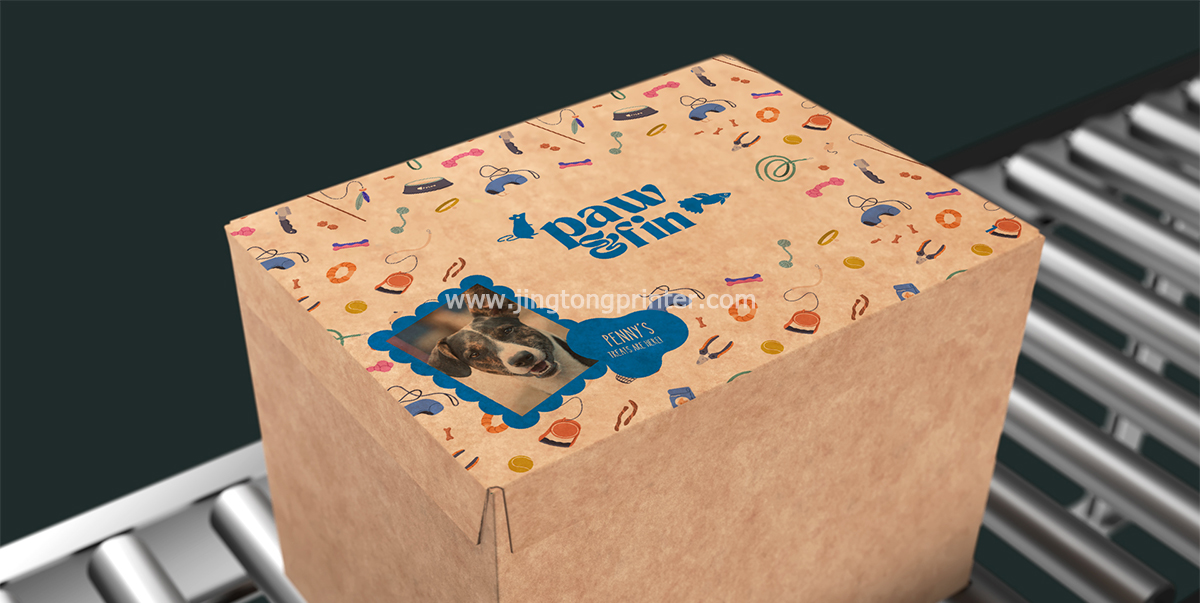
For manufacturers producing corrugated boxes, shipping cartons, and paper-based packaging, digital inkjet printing provides a flexible alternative to traditional printing methods.
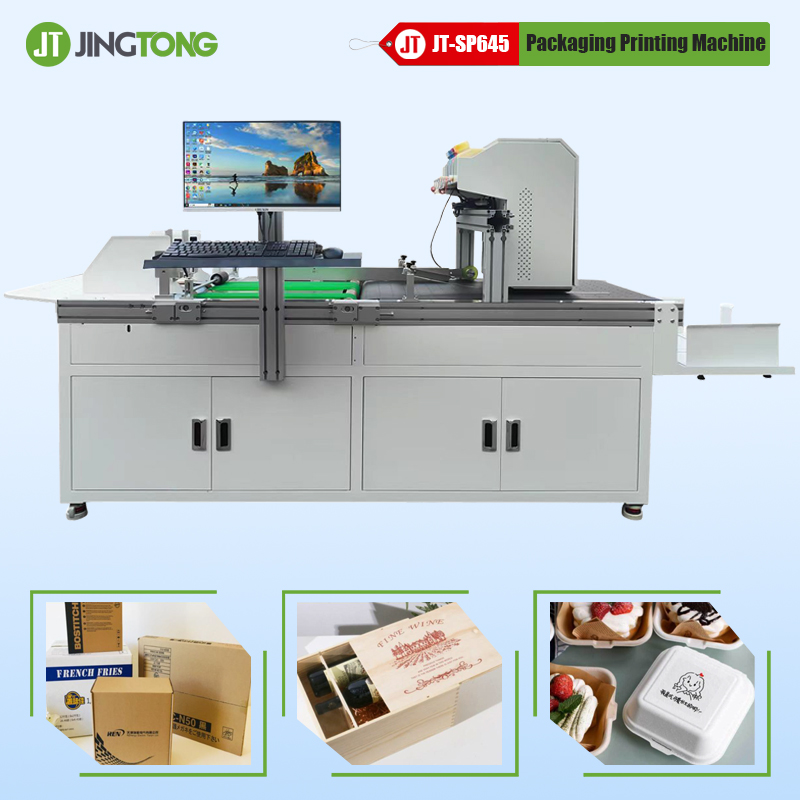
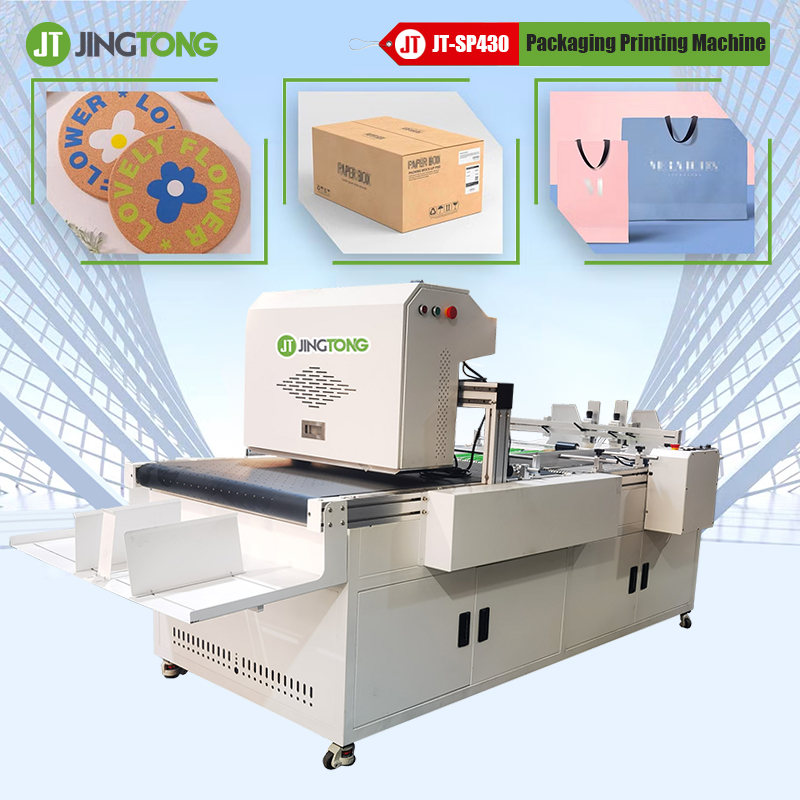
In particular, single-pass Inkjet Printing Technology is designed for continuous, high-speed printing. It can print logos, product information, colorful graphics, and customized designs directly onto compatible corrugated cardboard and paper packaging.
For businesses handling frequent artwork changes, customized orders, or different packaging designs, digital printing can reduce plate preparation requirements and simplify production workflows.
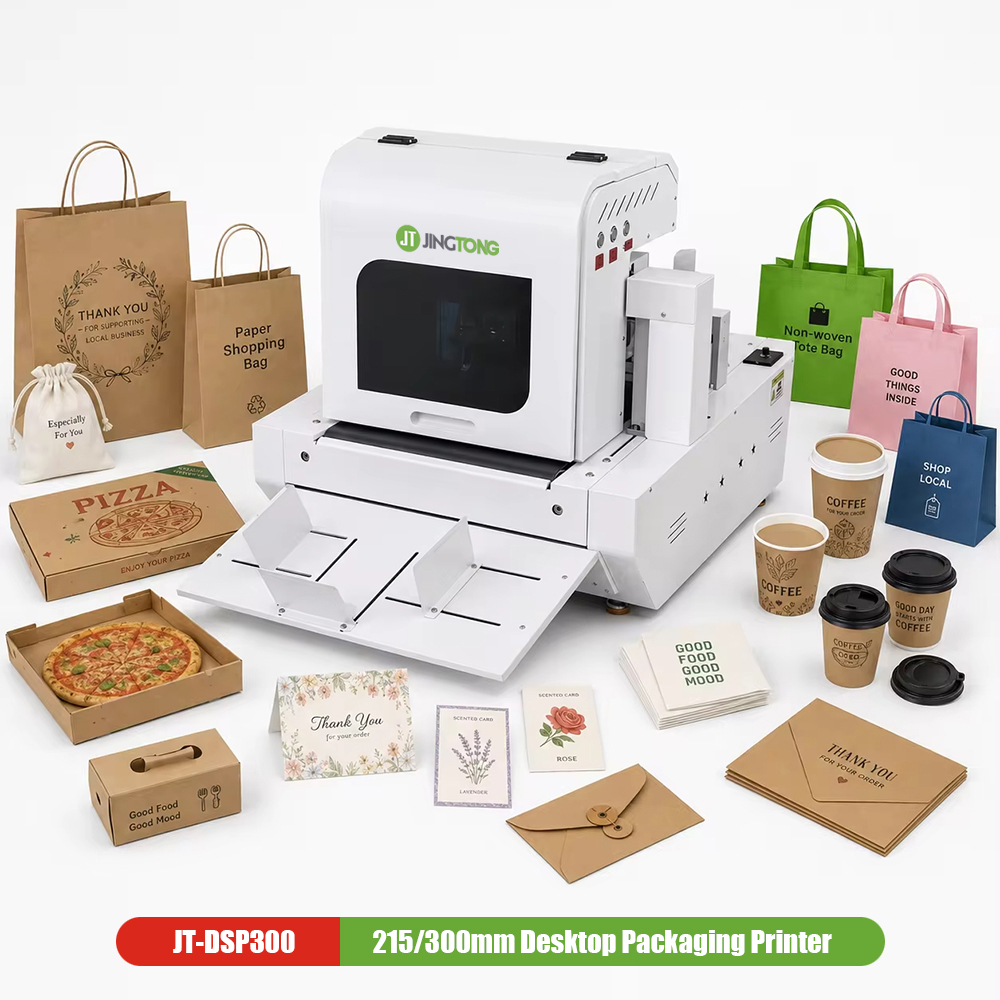
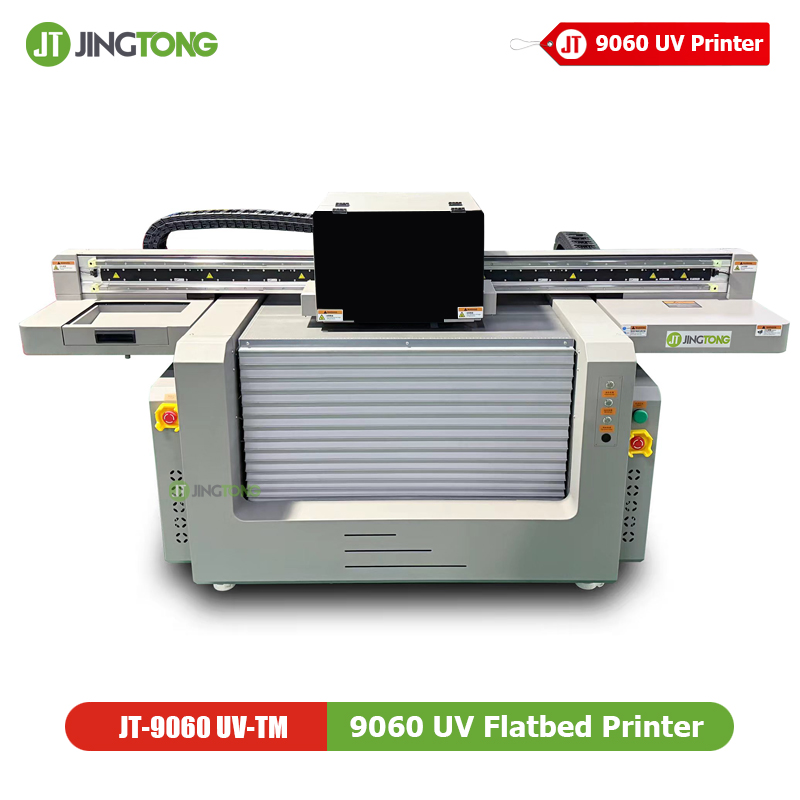
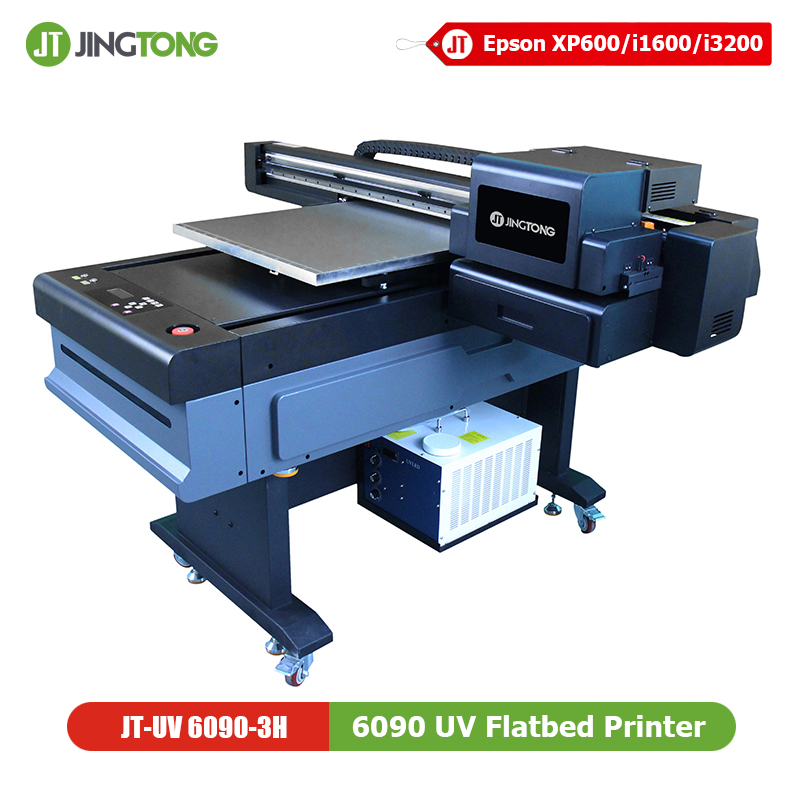
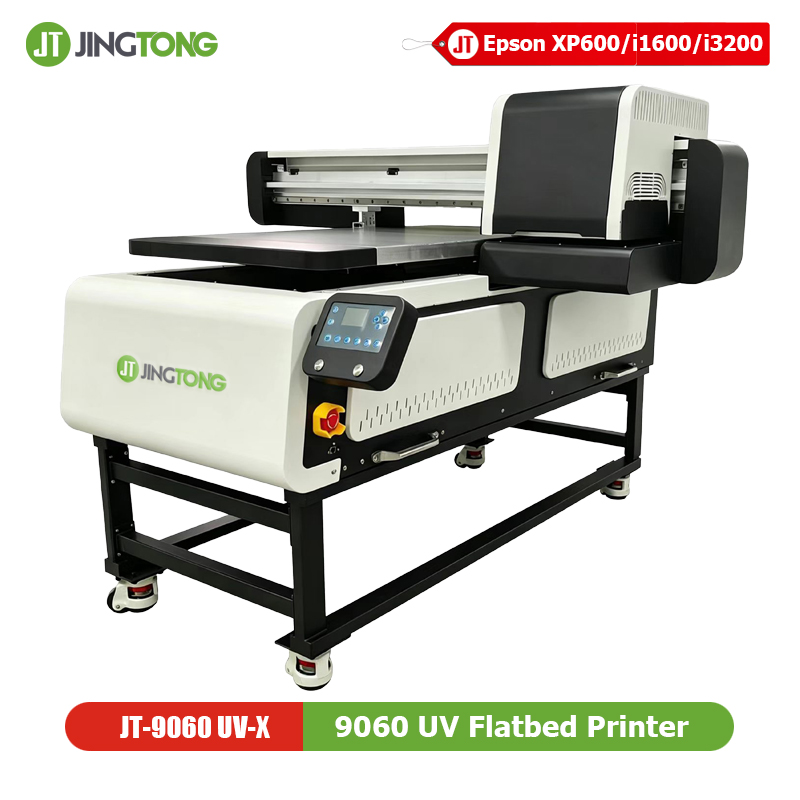
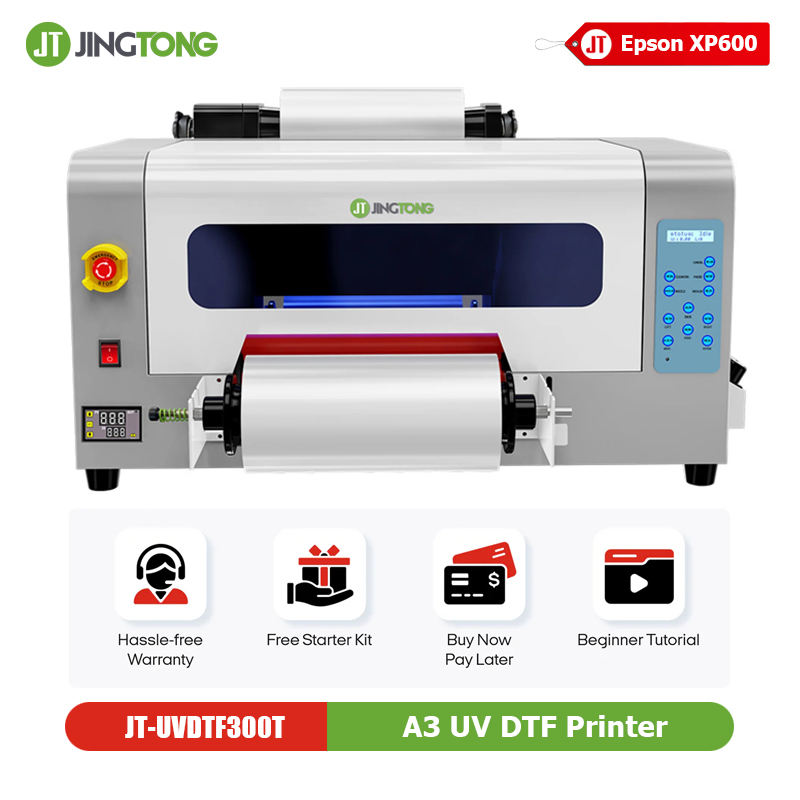
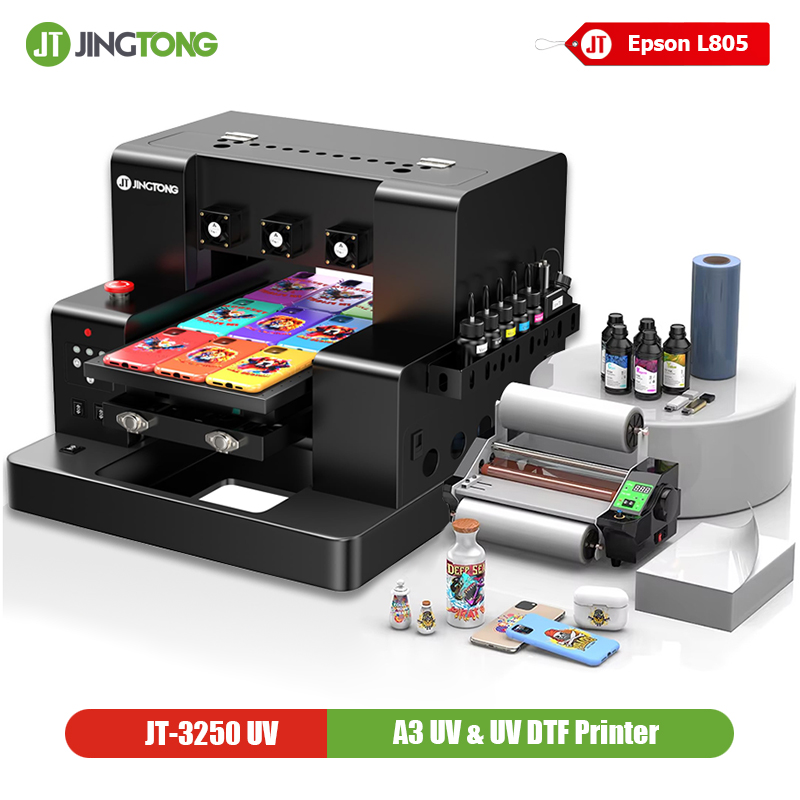
JINGTONG provides Digital packaging printing solutions, including single-pass printing equipment designed for corrugated box and paper packaging applications.
By understanding the characteristics of different printing processes, packaging manufacturers can choose suitable equipment to improve production efficiency, support customized packaging, and meet changing market demands.
get latest company news
Scan To Wechat