


register for newsletter
get latest company news
+86 13113657186



digital printing is becoming an important option in the packaging industry. Unlike traditional printing methods that require printing plates, digital printing transfers artwork directly from digital files to printing equipment.
This technology offers flexibility for customized packaging, product samples, and short-run orders. With the development of industrial inkjet systems, digital printing is also being applied to corrugated boxes and other paper-based packaging.
What Is Digital Printing in Packaging?
Digital printing is a process that transfers digital artwork directly onto packaging materials without conventional printing plates. Files such as PDFs are processed through RIP software before being sent to the printer.
Depending on the equipment, digital printing uses inkjet or toner-based technology to reproduce images and graphics.
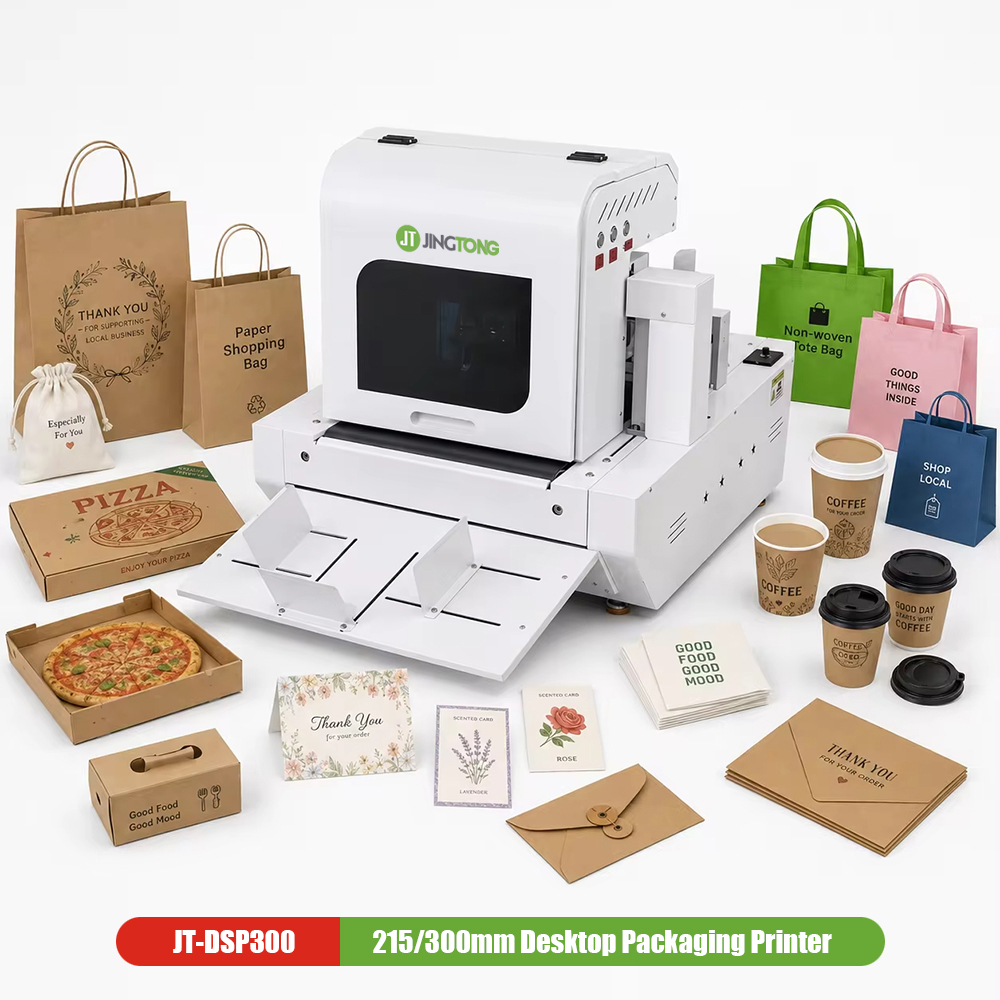
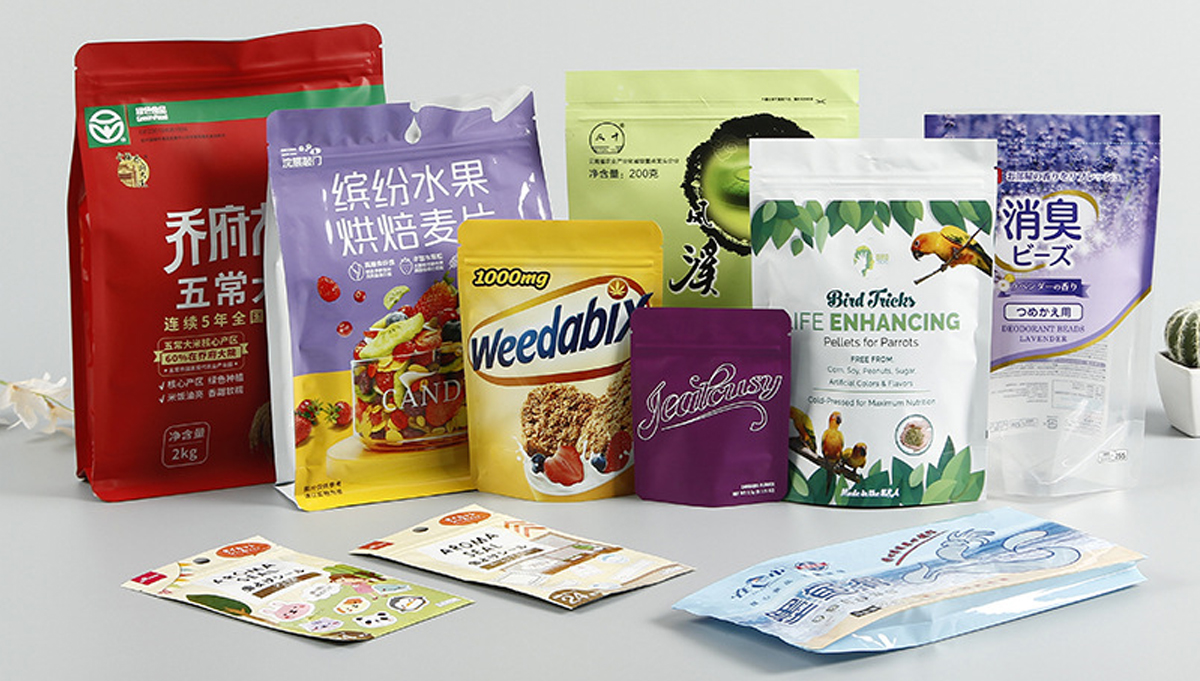
Common applications include custom product boxes, folding cartons, promotional packaging, product labels, and corrugated shipping boxes.
Since new printing plates are not required for each design, digital printing makes artwork changes and customized production more convenient.
Why Use Digital Printing for Packaging?
One of the main advantages of digital printing is its suitability for short production runs. Businesses can produce smaller quantities without the plate-making costs and preparation steps associated with conventional printing.
It is also useful for packaging samples and prototypes. Designers can test different layouts, colors, and graphics before moving into larger-scale production.
Another advantage is design flexibility. Multiple versions of packaging artwork can be printed within the same workflow, making digital printing suitable for seasonal promotions, personalized packaging, and limited-edition products.
However, digital printing is not automatically cheaper for every order. The most economical method depends on production volume, equipment, material, and finishing requirements.
Different Types of Digital Printing
Digital printing mainly includes inkjet and toner-based technologies.
inkjet printing uses small droplets of ink to reproduce digital images on a substrate. It is available in different configurations, including scanning and single-pass systems. Industrial Inkjet Printers can be designed for applications such as corrugated board and other paper packaging materials.
Toner-based printing uses toner particles to create images on a substrate. It is commonly used for documents, labels, and certain paper-based packaging applications, particularly where short-run production is required.
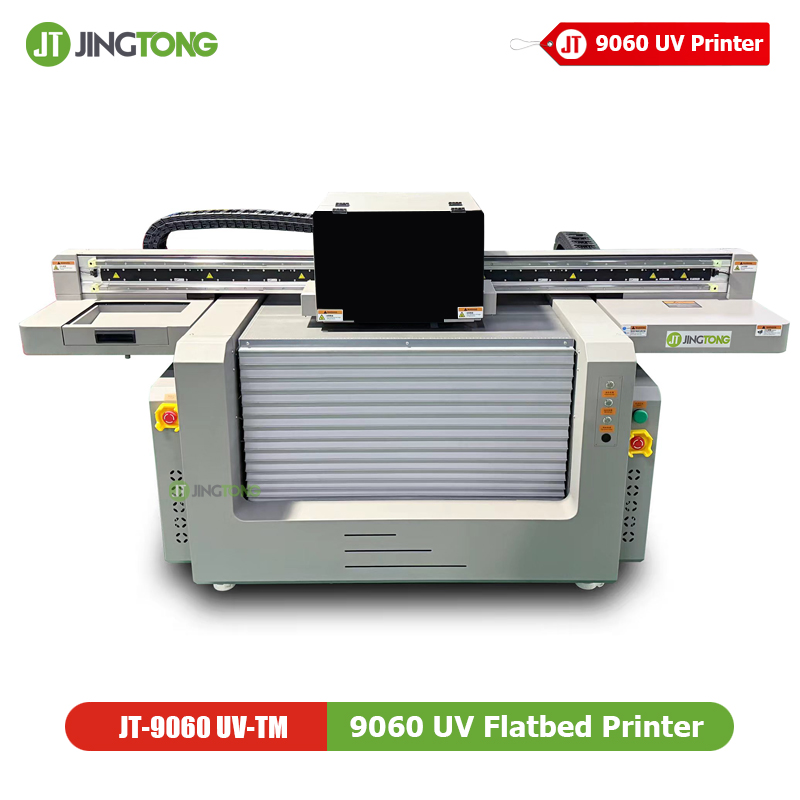
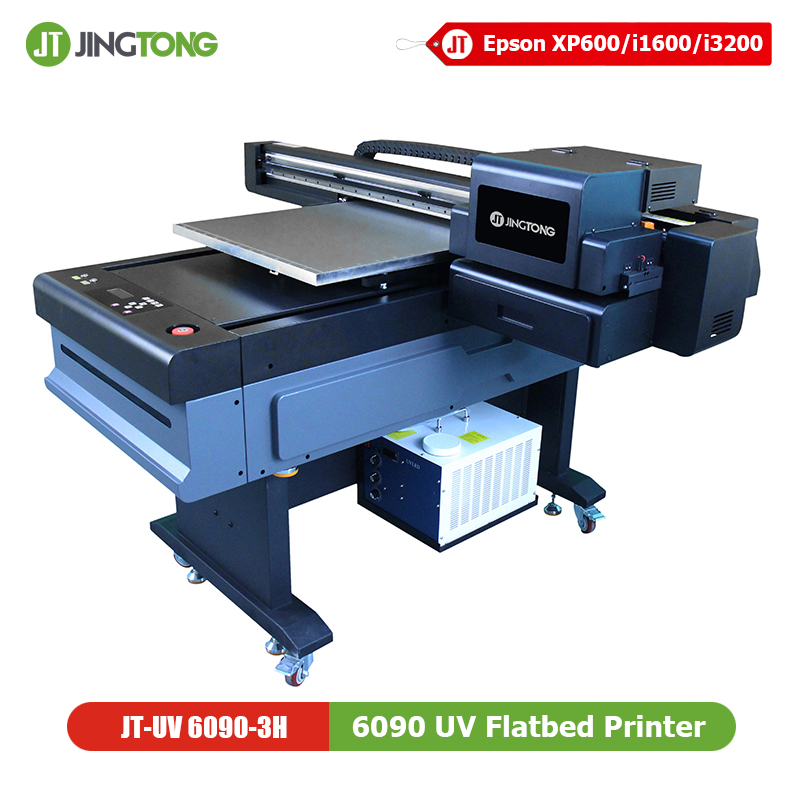
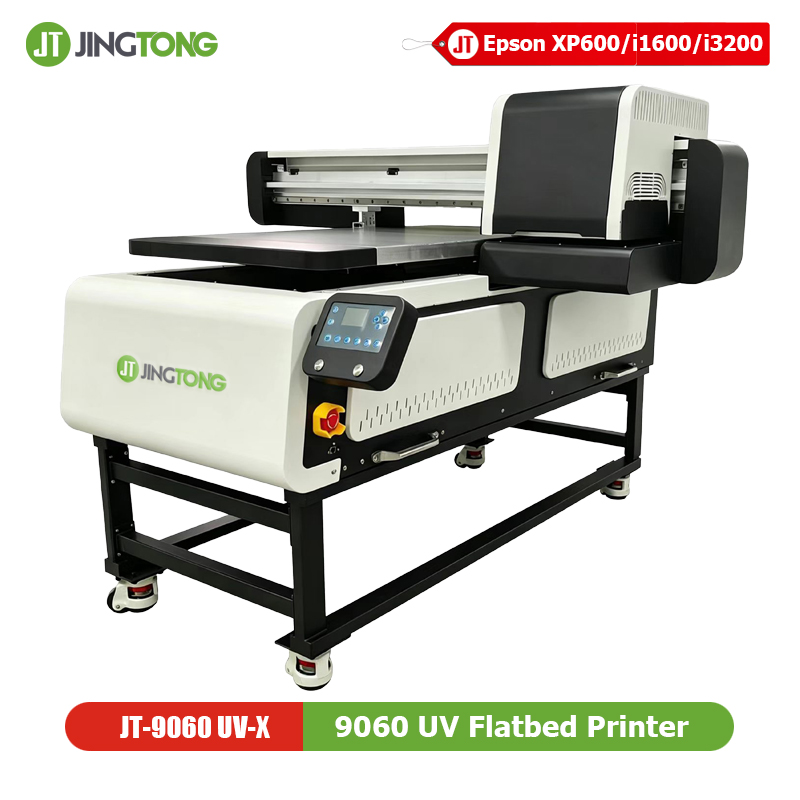
Flatbed digital printing generally uses inkjet technology to print on flat materials. Depending on the printer configuration, it can handle different material thicknesses and surfaces, making it suitable for signs, display boards, and selected packaging applications.
Benefits and Limitations of Digital packaging printing
Digital printing offers several practical benefits:
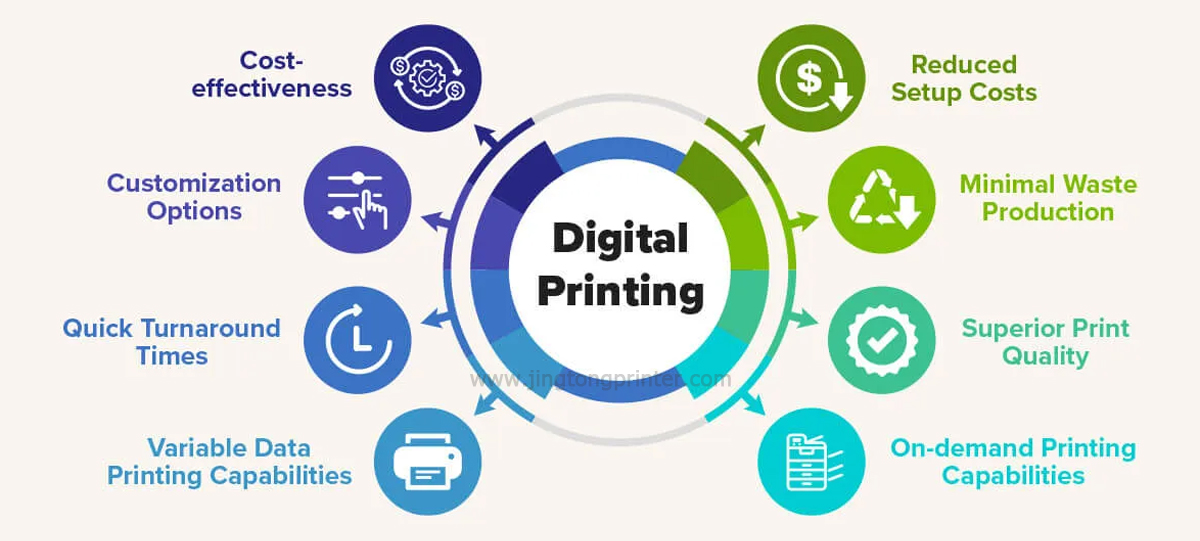
● No conventional printing plates: Reduces preparation steps and makes design changes easier.
● Short-run flexibility: Makes smaller packaging orders more practical.
● Faster sampling: Allows businesses to test packaging designs before mass production.
● Multiple designs: Supports different artwork versions within one production workflow.
● Reduced setup waste: Can reduce waste associated with conventional plate preparation and job changes.
There are also limitations to consider. Some digital systems have restrictions on printing dimensions, substrate thickness, ink types, or material compatibility. Color reproduction may also vary depending on the printer's color gamut, ink system, RIP software, and color management settings.
For this reason, businesses should evaluate the actual equipment and intended packaging material before choosing a printing method.
digital inkjet Printing for Corrugated Packaging
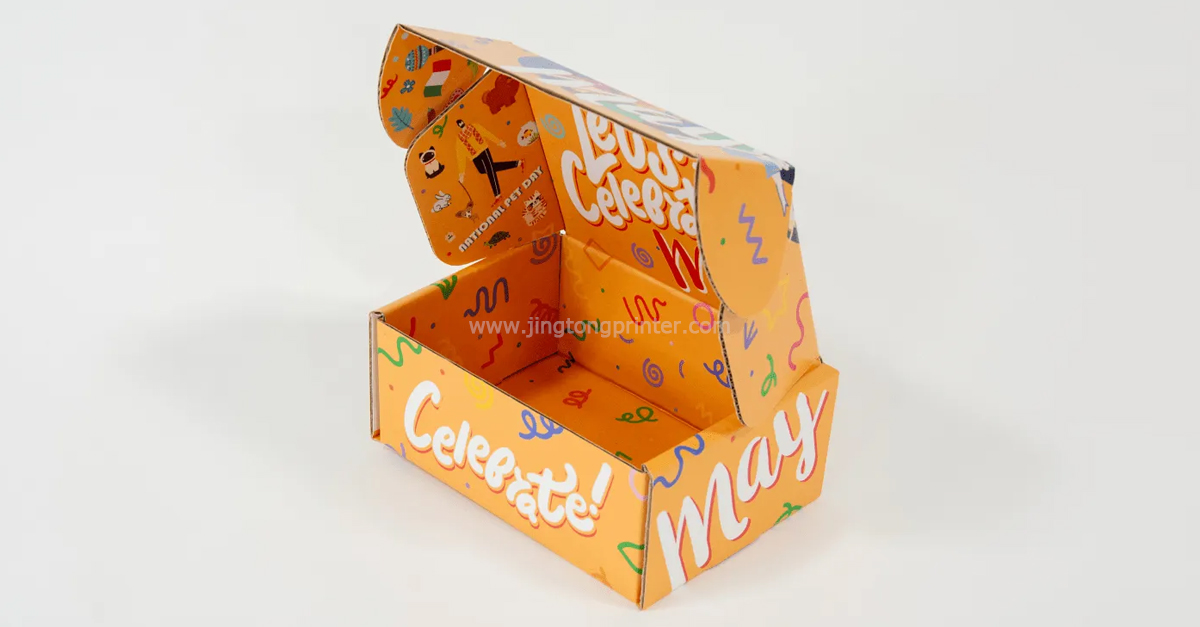
Digital inkjet technology has expanded the applications of digital printing in the packaging industry. Suitable systems can print directly onto corrugated boards, producing logos, product graphics, shipping information, and customized designs.
This is particularly useful for manufacturers handling different box designs, short-run orders, and frequent artwork changes.
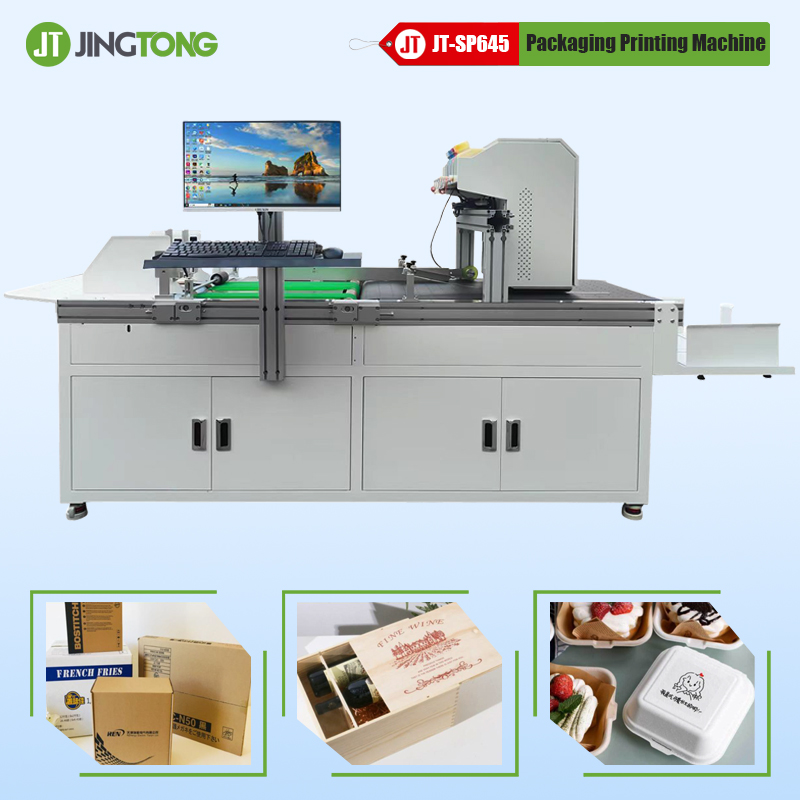
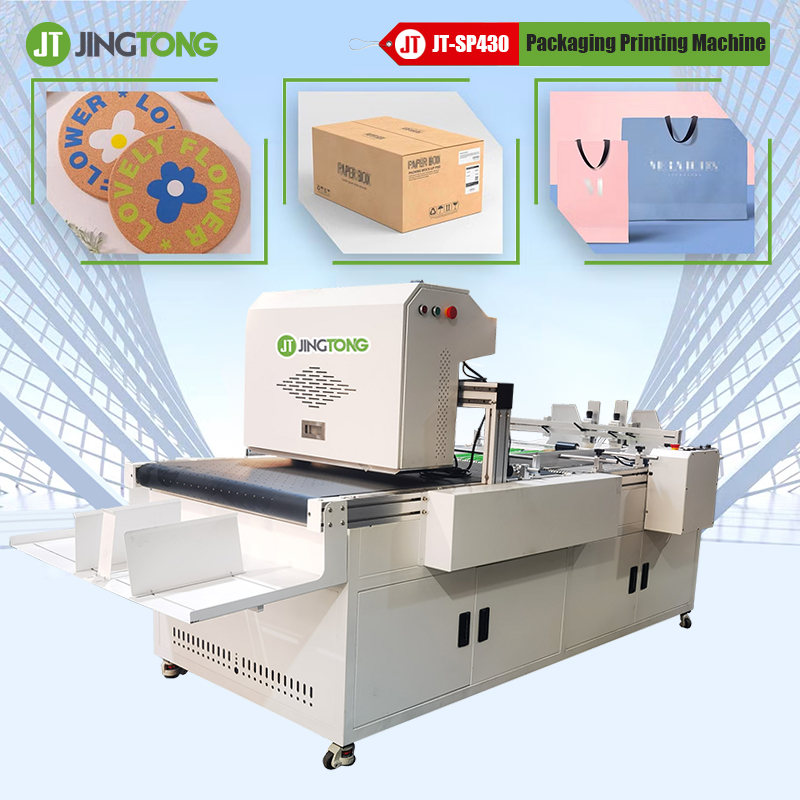
Single-pass inkjet systems are designed for continuous printing and higher-throughput production environments. Unlike scanning printers, their printheads remain fixed while the material moves through the machine.
JINGTONG provides Digital packaging printing solutions, including single-pass inkjet systems for corrugated packaging applications. The right equipment depends on printing width, board specifications, ink compatibility, and required production output.
Final Thoughts
Digital printing offers packaging manufacturers greater flexibility for customized designs, short-run orders, and packaging samples. Its applications range from folding cartons and promotional boxes to corrugated shipping cartons.
For businesses considering digital packaging production, choosing the right technology requires evaluating print quality, material compatibility, production volume, and operating costs. Industrial inkjet and single-pass systems provide additional options for manufacturers looking to develop more flexible corrugated packaging production.
get latest company news
Scan To Wechat