


register for newsletter
get latest company news
+86 13113657186



Labels and stickers are important parts of product packaging. They provide product information, strengthen brand recognition, and improve the overall packaging appearance. From product labels to promotional stickers, choosing the right printing method and material helps achieve the desired quality and durability.
Different applications require different materials, printing technologies, and finishes. Understanding these options makes it easier to select a suitable solution.
Why Are Labels and Stickers Important?
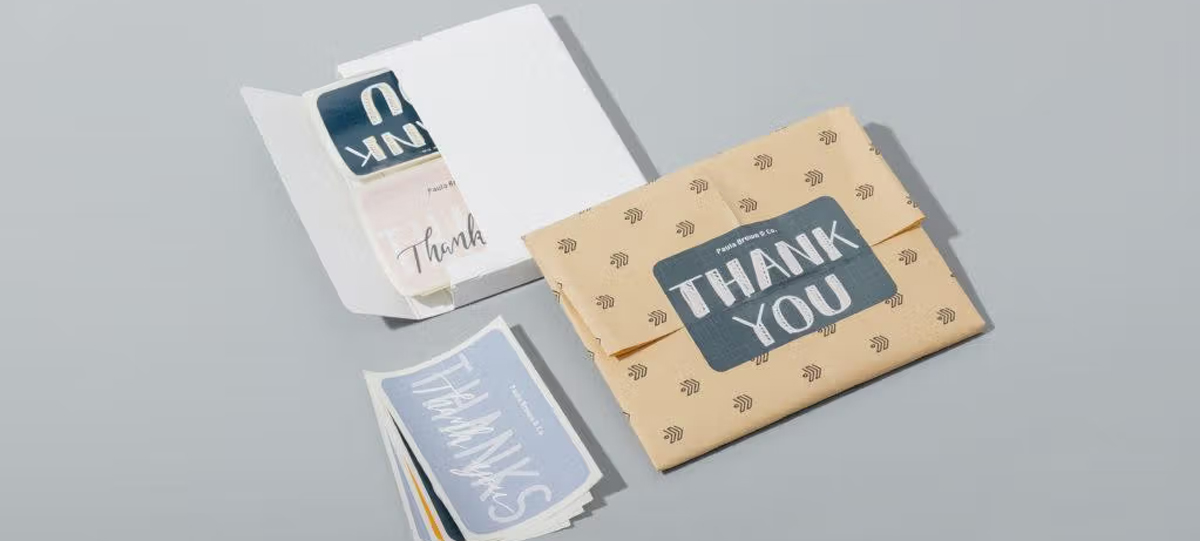
Labels and stickers serve several purposes in packaging. They display product names, ingredients, barcodes, warnings, and other essential information. They can also feature brand logos, promotional messages, and decorative graphics.
For businesses using standard packaging boxes, custom stickers offer a simple way to add branding without producing completely customized packaging.
Shipping labels also help identify packages and communicate handling instructions during transportation.
Common Label and Sticker Materials
Material selection depends on the application, surface, durability requirements, and desired appearance.
Paper and Kraft: Paper labels are commonly used for product packaging, promotional stickers, and general indoor applications. Kraft paper offers a natural appearance, making it popular for eco-inspired branding.
Vinyl: Vinyl stickers are flexible and durable, with good resistance to moisture and outdoor conditions. They are suitable for product labels, promotional graphics, and exterior applications.
Polypropylene (PP): PP labels are widely used for product packaging because they offer good moisture resistance and durability. Both white and transparent versions are available.
Foil and Specialty Materials: Metallic foil, holographic films, felt, and velvet materials create distinctive visual and tactile effects. They are often used for premium products and limited-edition packaging.
Shrink Sleeve Labels: These labels use heat-sensitive film that shrinks around a container. They provide extensive surface coverage and are commonly used for bottles, cans, and tubes.
Different Label and Sticker Printing Methods
The best printing method depends on order quantity, artwork complexity, material, and production requirements.
digital printing: Digital printing transfers artwork directly from digital files without conventional printing plates. It is suitable for short runs, multiple designs, customized labels, and frequent artwork changes.
Flexographic Printing: Flexo uses flexible printing plates to transfer ink onto the substrate. It is widely used for high-volume label production and continuous roll printing.
Sheet-Fed Offset Printing: Offset printing transfers ink through a rubber blanket onto the material. It provides detailed images and consistent color reproduction, making it suitable for paper-based labels and larger print jobs.
Rotary Offset Printing: This process uses rotating cylinders to transfer images onto continuous materials. It is used in certain label production workflows where consistent printing and continuous output are required.
Each method has different setup costs and production capabilities. Digital printing generally offers more flexibility for small orders, while flexographic and offset printing can be more economical for suitable larger production runs.
Popular Label and Sticker Finishes
Finishing processes improve the appearance and durability of printed labels.
BOPP Film: Biaxially oriented polypropylene is commonly used for durable labels, offering resistance to moisture, oil, and fading.
Holographic and Glitter Finishes: These materials create reflective effects that help products stand out on shelves.
Foil Stamping: Metallic foil adds gold, silver, or other decorative effects to logos and graphic elements.
UV Coating: Gloss, matte, and spot UV finishes provide different surface appearances and can add protection depending on the coating system.
Lamination: Matte and gloss lamination add a protective layer while creating different visual effects.
The suitable finish depends on the label material, printing ink, adhesive, and intended environment.
How to Choose the Right Label Printing Solution
Before selecting a printing method, consider the order quantity, label size, material, and intended application. Product labels exposed to water, oil, or outdoor conditions may require more durable substrates and protective finishes.
For businesses producing multiple designs or customized labels, digital printing offers greater flexibility because artwork can be changed without preparing new conventional plates.
For large-volume orders with consistent designs, flexographic or offset printing may provide better production economics.
It is also important to test ink adhesion, color appearance, and finishing compatibility on the actual label material before starting production.
Digital Printing for Custom Labels and Stickers
Digital printing continues to create more opportunities for customized label and sticker production. It allows businesses to handle short-run orders, multiple artwork versions, and personalized designs with fewer conventional setup steps.
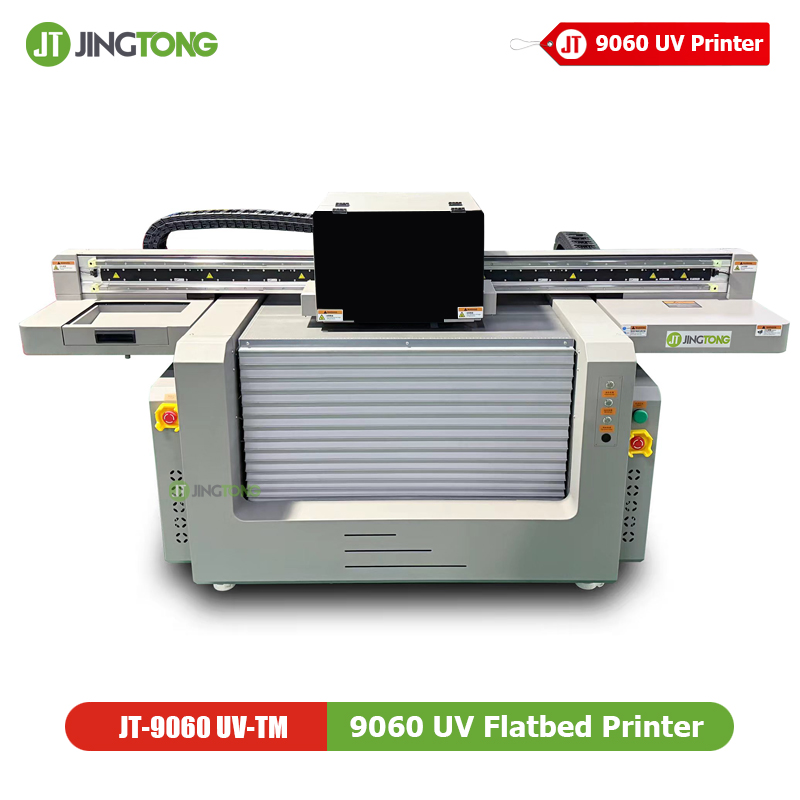
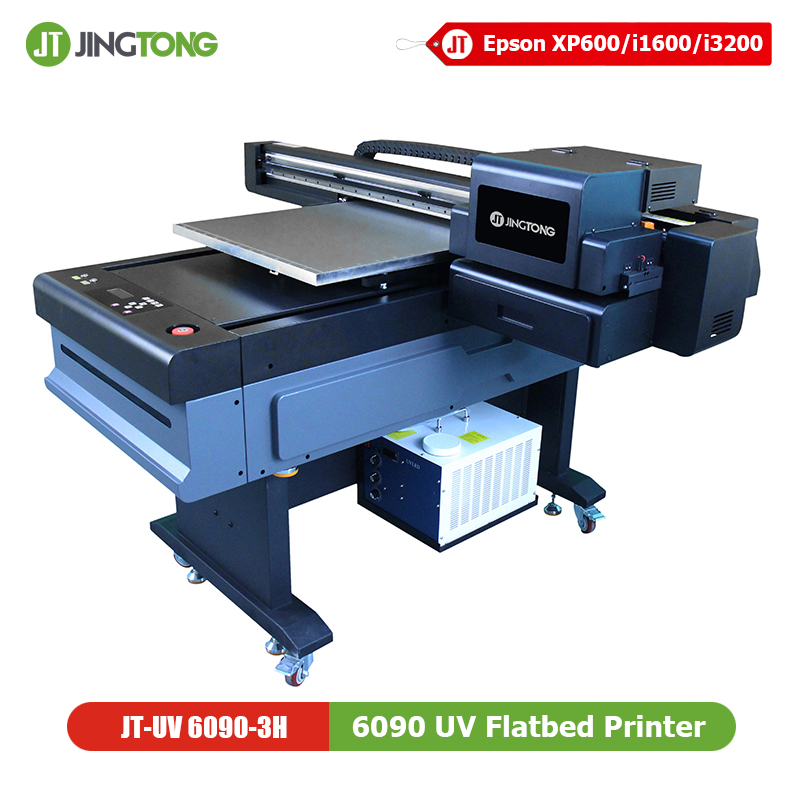
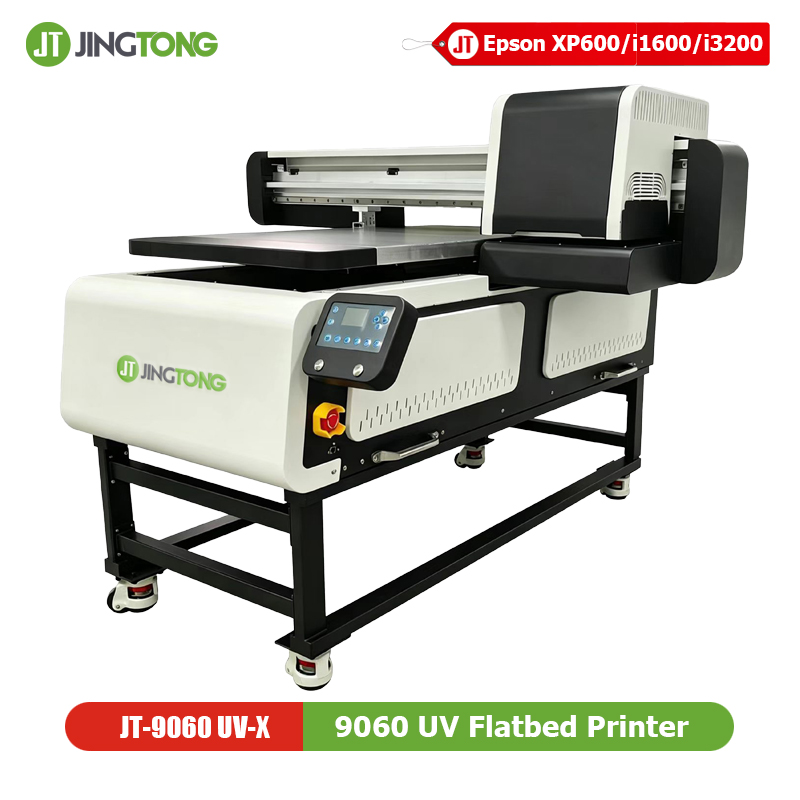
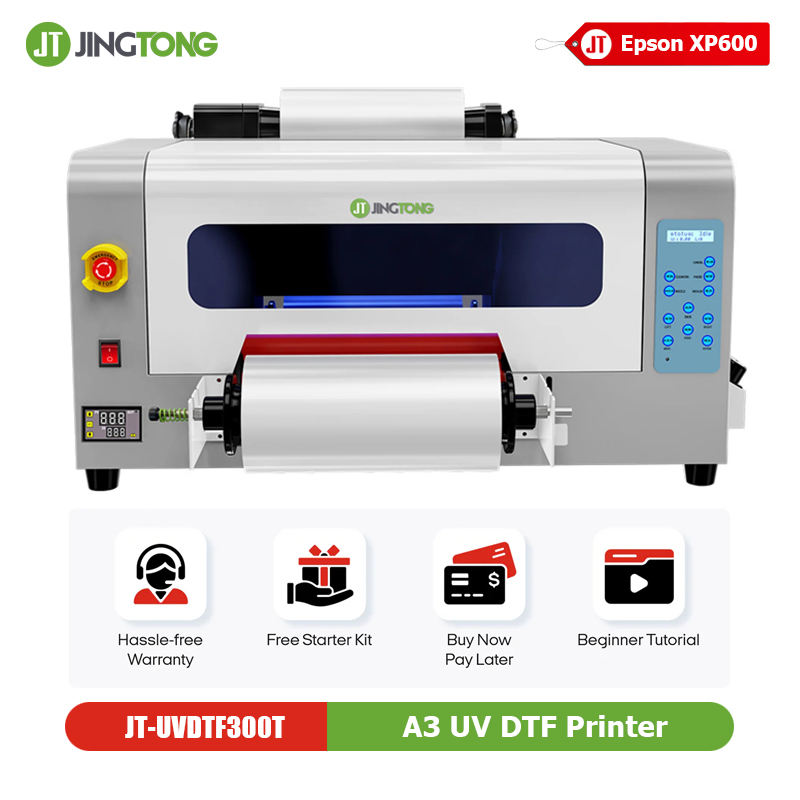
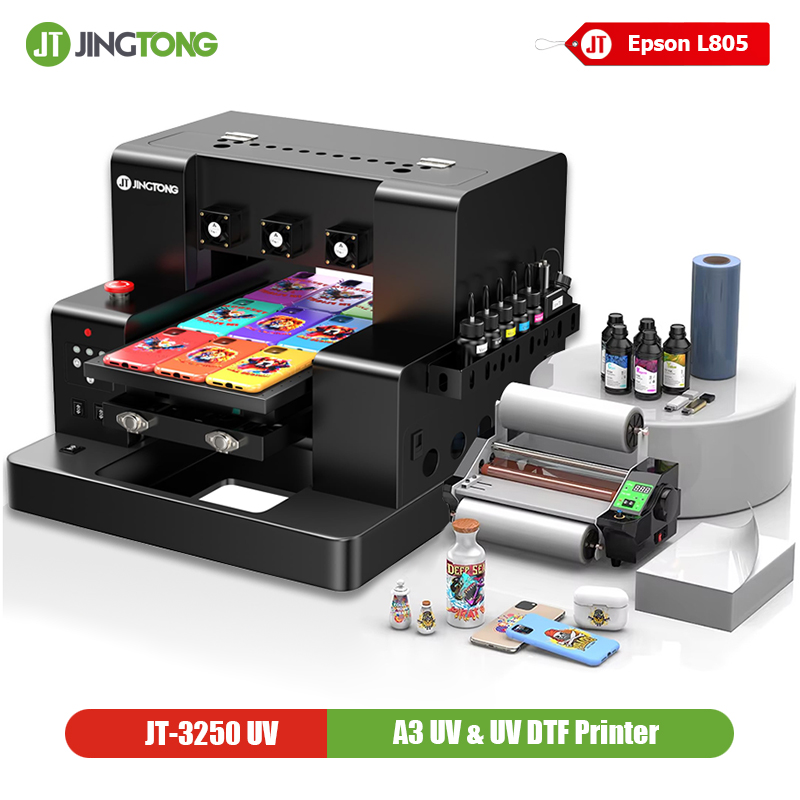
Depending on the printer and ink system, digital inkjet technology can support different label materials and printing applications. UV inkjet printing, for example, can be used on compatible substrates where durable printed graphics and vibrant colors are required.
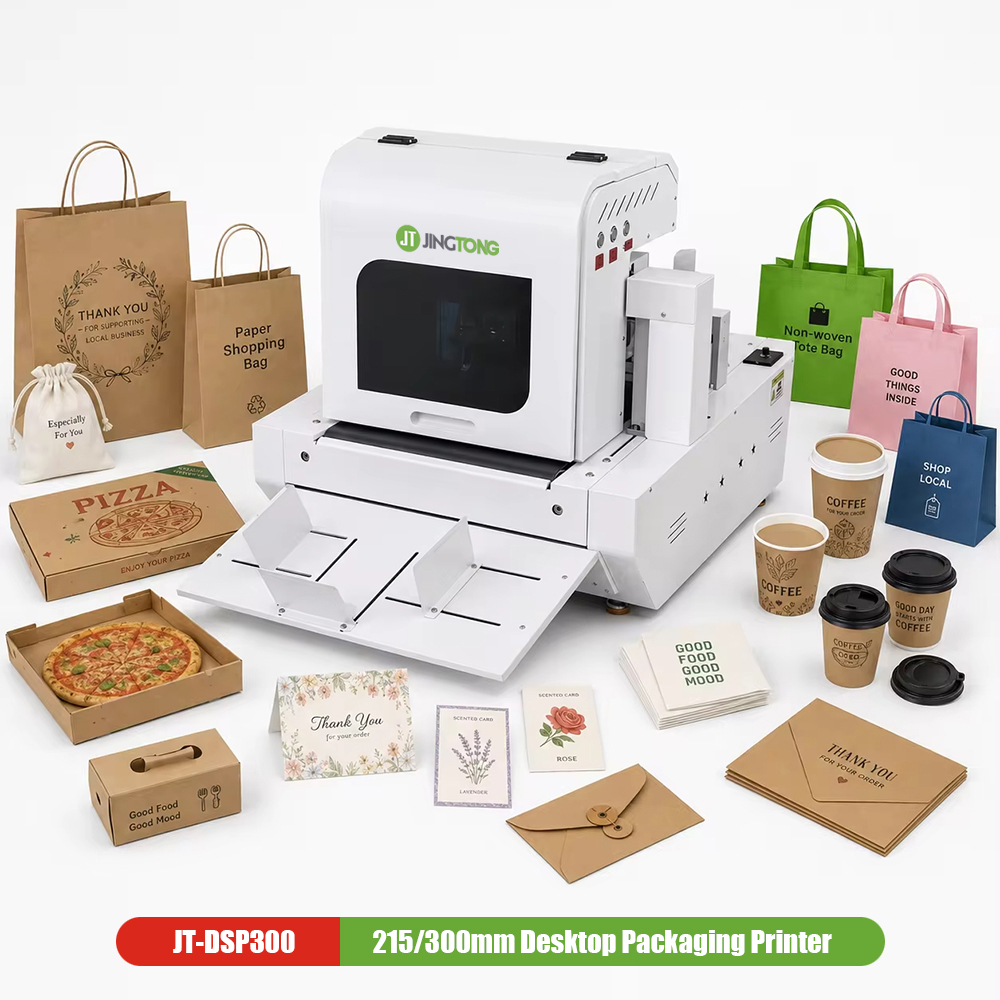
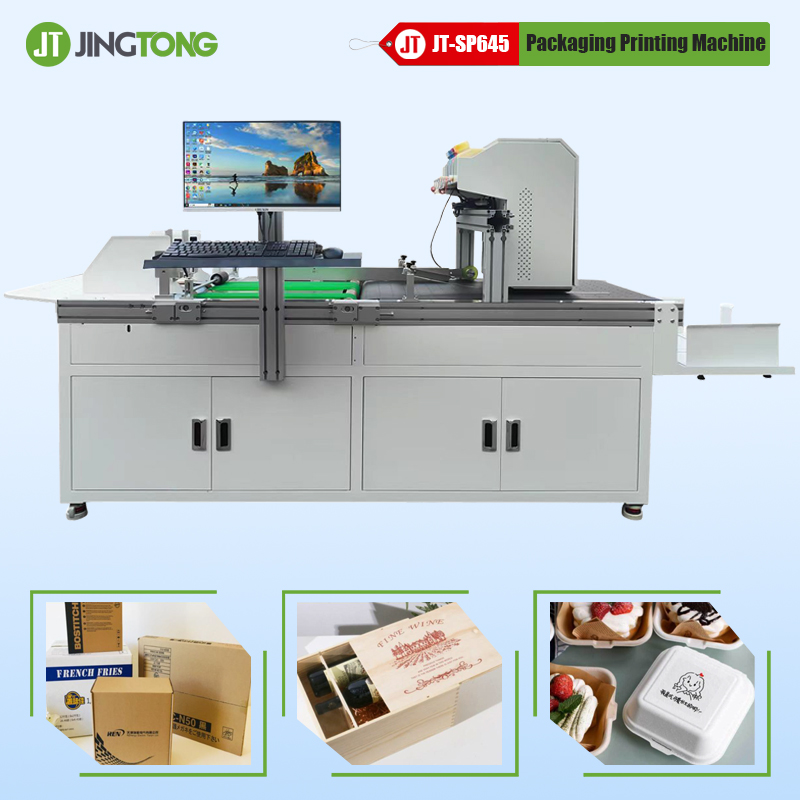
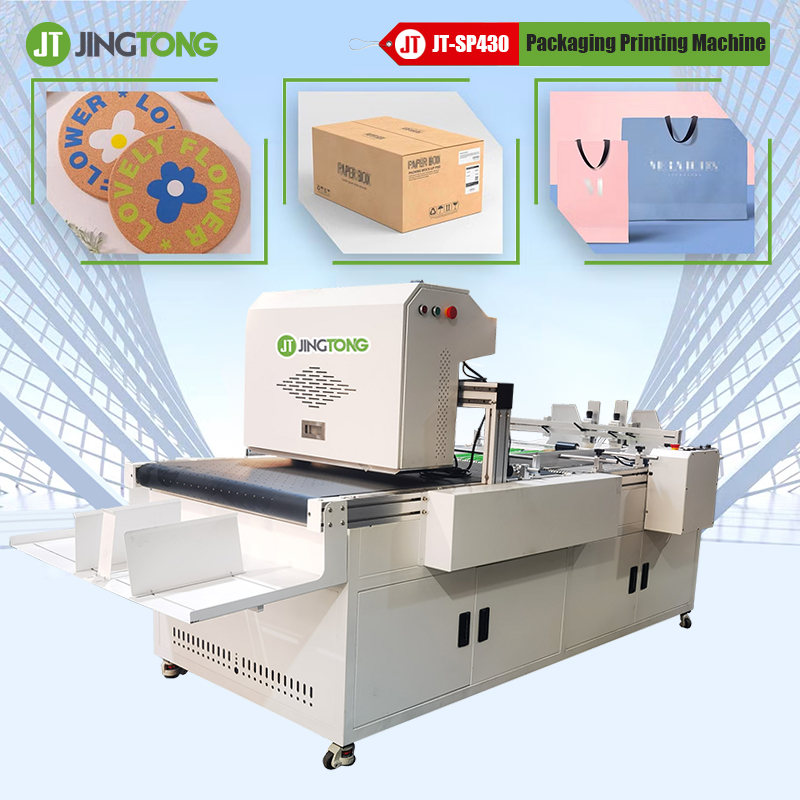
JINGTONG provides digital printing equipment for various applications. Selecting the appropriate printer requires considering material compatibility, printing width, ink type, and production volume.
With the right combination of printing technology, materials, and finishing, businesses can produce labels and stickers that communicate product information while strengthening brand identity.
get latest company news
Scan To Wechat