






register for newsletter
get latest company news
+86 13113657186



What Is CMYK in Printing?
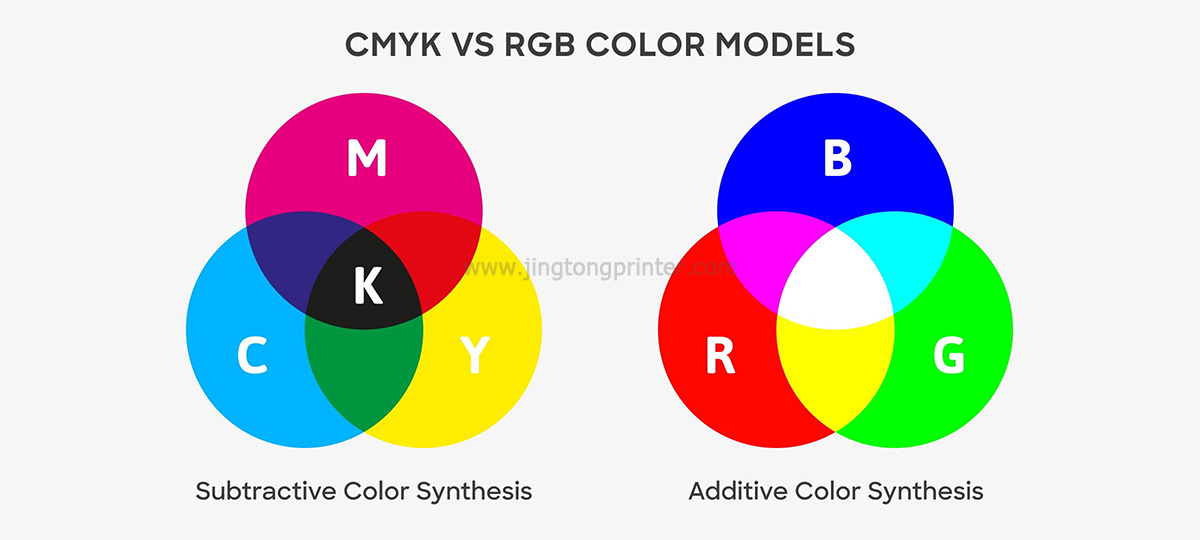
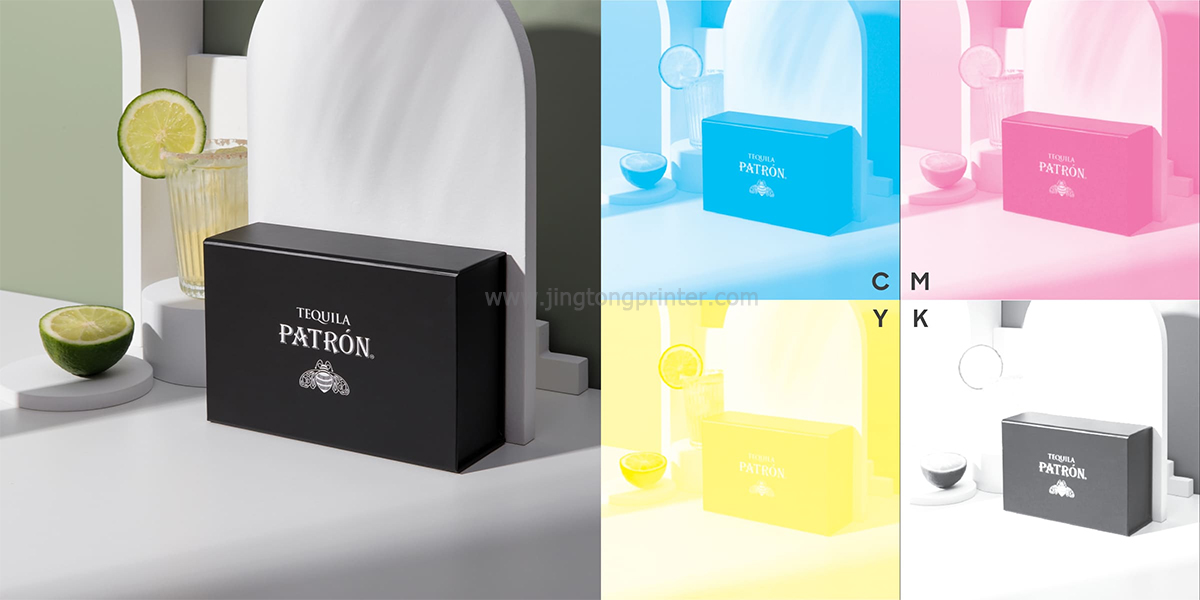
CMYK stands for Cyan, Magenta, Yellow, and Key (Black). It is a subtractive color model widely used in commercial printing, including packaging production.
By combining different proportions of these four ink colors, printers can reproduce a broad range of colors and images. Black ink helps create deeper shadows, sharper details, and clearer text.
In digital packaging printing, CMYK is commonly used to reproduce product graphics, logos, photographs, and other printed designs on compatible packaging materials.
CMYK vs. RGB vs. Pantone
These three color systems serve different purposes in design and printing.
CMYK uses four ink colors to produce printed images. It is widely used for full-color packaging designs and digital printing workflows.
RGB stands for Red, Green, and Blue. It is an additive color model designed for digital screens, such as computers, smartphones, and televisions. RGB files can also be used in digital printing workflows, but they may need color conversion before printing.
Pantone (PMS) uses standardized spot colors to help achieve more consistent brand color reproduction. It is useful when a specific corporate color needs to be matched, although the available color options and reproduction accuracy depend on the printing process and materials.
For most full-color digital packaging jobs, CMYK provides a practical starting point. Special brand colors may require additional color management or a different printing configuration.
Why Color Conversion Matters in Digital packaging printing
Design files are often created in RGB, especially when graphics originate from digital design platforms. However, RGB and CMYK have different color gamuts, meaning some bright screen colors cannot be reproduced accurately with standard CMYK inks.
When an RGB file is converted for printing, certain colors may appear less vivid or slightly different from their original screen appearance.
For packaging manufacturers, these differences matter because brand colors, product images, and printed graphics need to look consistent across production batches.
Preparing files with the intended printing workflow in mind and checking a physical print sample can help reduce unexpected color differences.
How to Improve Color Accuracy in Digital Packaging Printing
Color accuracy depends on more than the CMYK color model. The printer, ink, substrate, software, and printing conditions all influence the final result.
Several practices can help improve consistency:
● Use suitable color profiles: ICC profiles help manage color conversion for specific printer, ink, and material combinations.
● Configure RIP software correctly: Appropriate color settings help translate digital artwork into printable output.
● Consider the packaging material: Corrugated board, coated paper, and uncoated paper can absorb and reflect ink differently.
● Check ink compatibility: Ink characteristics and the printing system influence color reproduction and image quality.
● Print samples before production: Physical proofs help verify colors under actual printing conditions.
For digital inkjet packaging printers, regular calibration and consistent production settings are also important for maintaining repeatable results.
CMYK in Digital Inkjet Packaging Printing
Digital inkjet technology offers a flexible approach to printing packaging graphics without conventional printing plates. It is particularly useful for customized designs, short-run orders, and changing artwork.
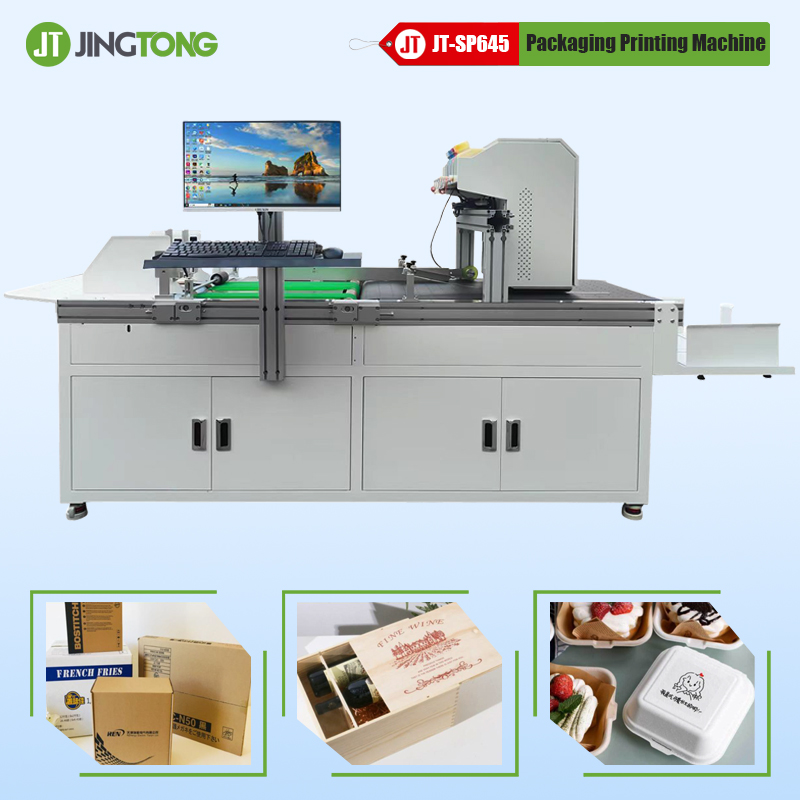
In Corrugated Packaging production, digital inkjet printers can print graphics directly onto compatible corrugated boards. This makes it possible to produce colorful packaging designs, promotional boxes, and customized shipping cartons with greater flexibility.
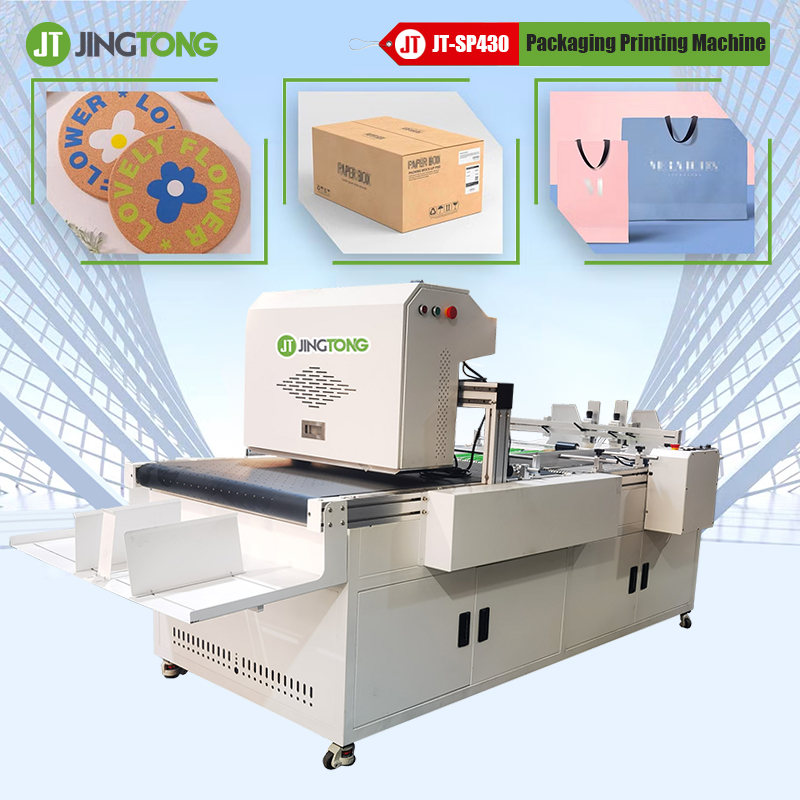
Single-pass digital inkjet printing is another option for industrial packaging production. With fixed printheads and a continuously moving substrate, this configuration supports high-throughput printing applications.
The final color output depends on the printer configuration, ink system, RIP software, and substrate characteristics. Therefore, testing actual packaging materials is important when selecting a digital packaging printing solution.

Final Thoughts
CMYK remains an important color model in packaging printing, including modern digital inkjet production. Understanding the differences between CMYK, RGB, and Pantone helps businesses prepare artwork and manage color expectations.
For digital packaging printing, accurate color reproduction requires a combination of suitable equipment, compatible inks, proper color profiles, and material testing. These factors help packaging manufacturers achieve more consistent printed results across different jobs and production runs.
get latest company news
Scan To Wechat