


register for newsletter
get latest company news
+86 13113657186



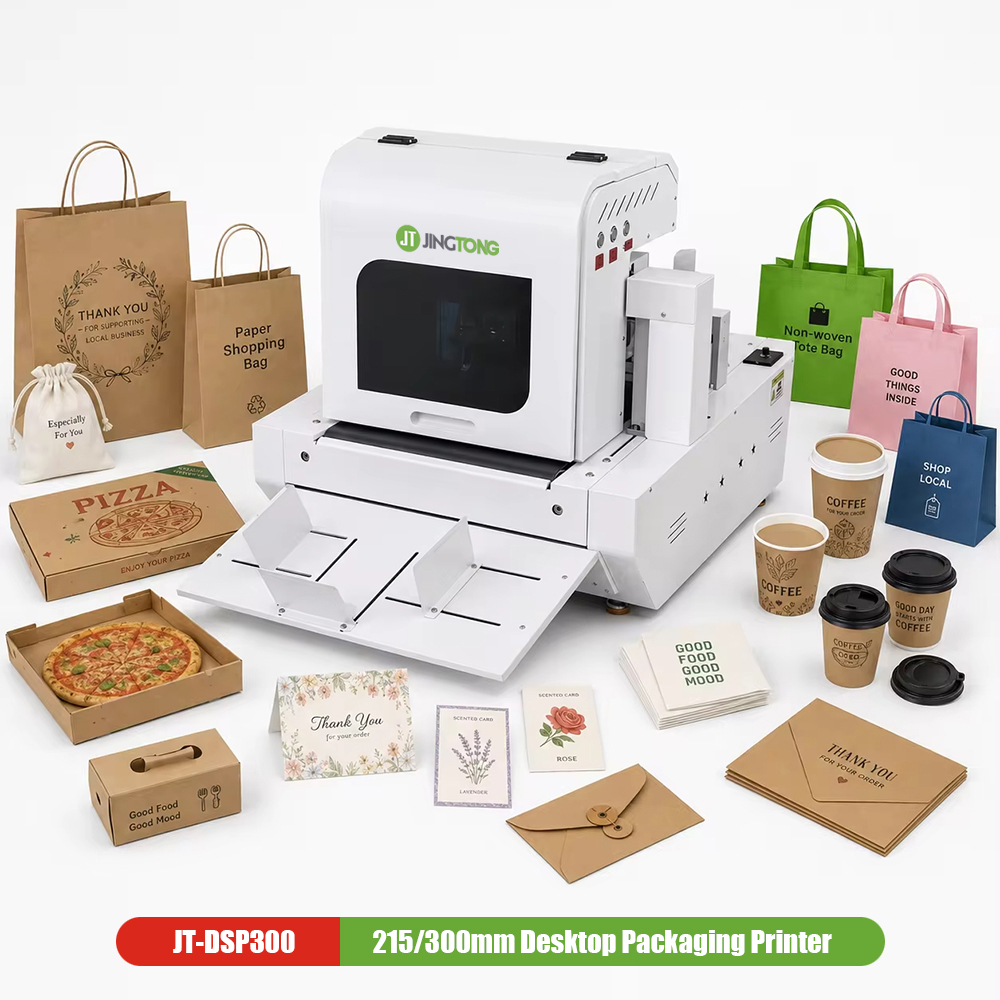
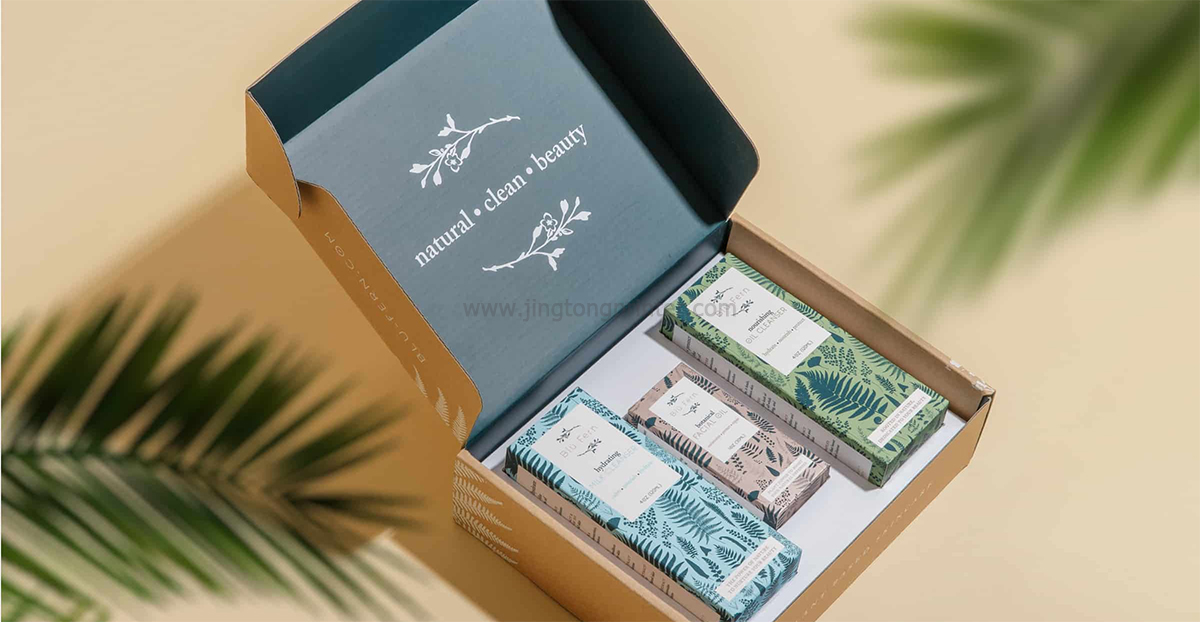
With digital printing and modern finishing technologies, kraft paper can also be customized with brand logos, colorful graphics, and decorative effects.
What Is Kraft Paper?
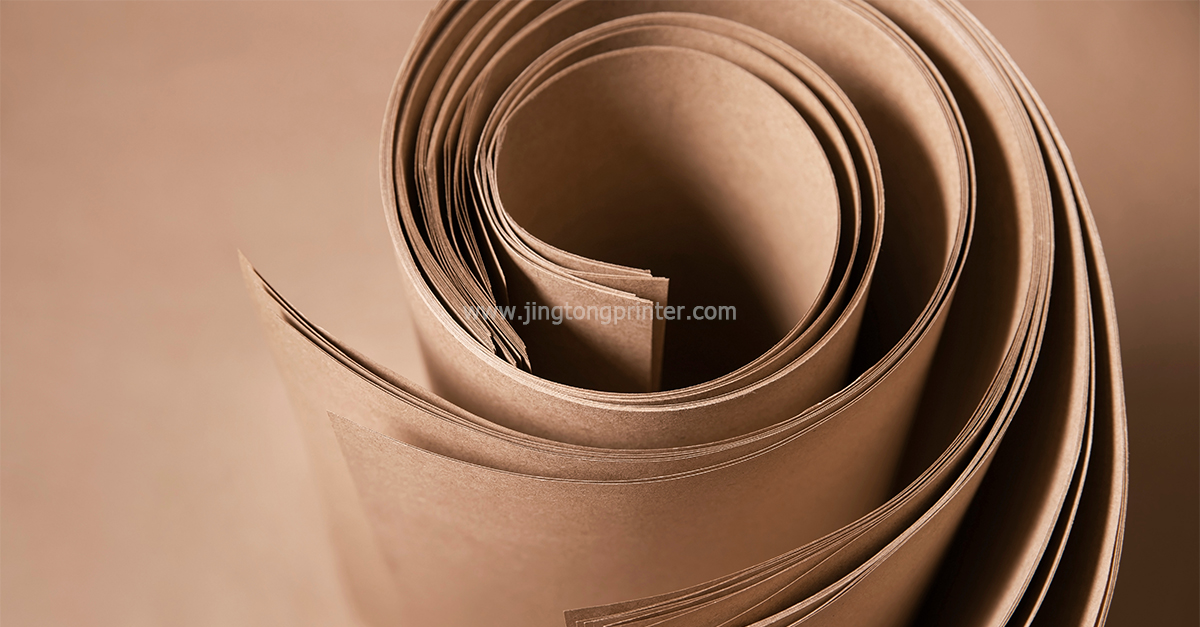
Kraft paper is produced through the kraft pulping process, which separates cellulose fibers from wood using chemicals. This process helps create strong paper with good tear resistance.
Unbleached kraft paper usually has a natural brown color, while bleached kraft paper has a lighter appearance. Depending on its manufacturing process, the surface can be rough, porous, or coated.
These characteristics make kraft paper suitable for different packaging applications.
Common Types of Kraft Paper
Different kraft paper grades offer different printing and structural properties.
● Unbleached Kraft Paper: Natural brown paper commonly used for wrapping, shopping bags, and corrugated boxes.
● Coated Unbleached Kraft (CUK): Combines the strength of unbleached fibers with a coated surface that improves smoothness and printability.
● Solid Bleached Sulfate (SBS): A white, smooth paperboard suitable for premium packaging and detailed printed graphics.
● Coated Recycled Board (CRB): Made with recycled fibers and used in various folding carton applications.
The choice of material depends on packaging strength, appearance, printing requirements, and budget.
Kraft Paper Packaging Applications
Kraft paper is used in many packaging products, including:
● Corrugated Boxes: Shipping cartons, e-commerce packaging, and protective packaging.
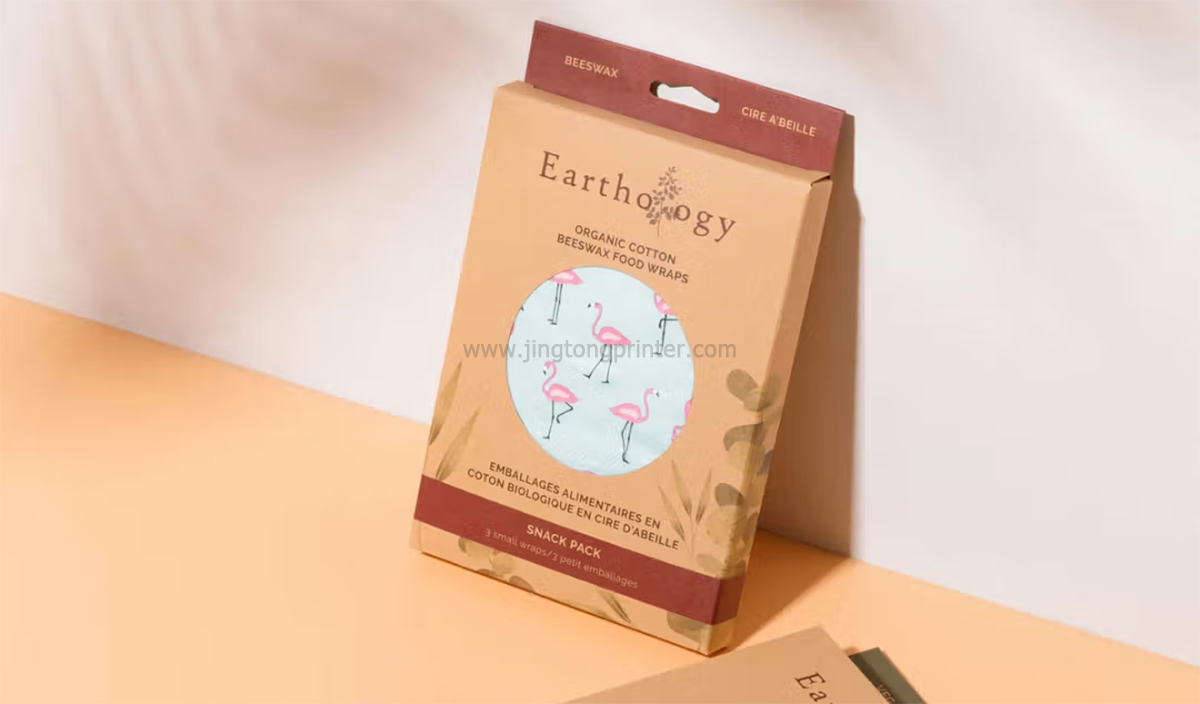
● Folding Cartons: Product boxes for food, cosmetics, and retail goods.
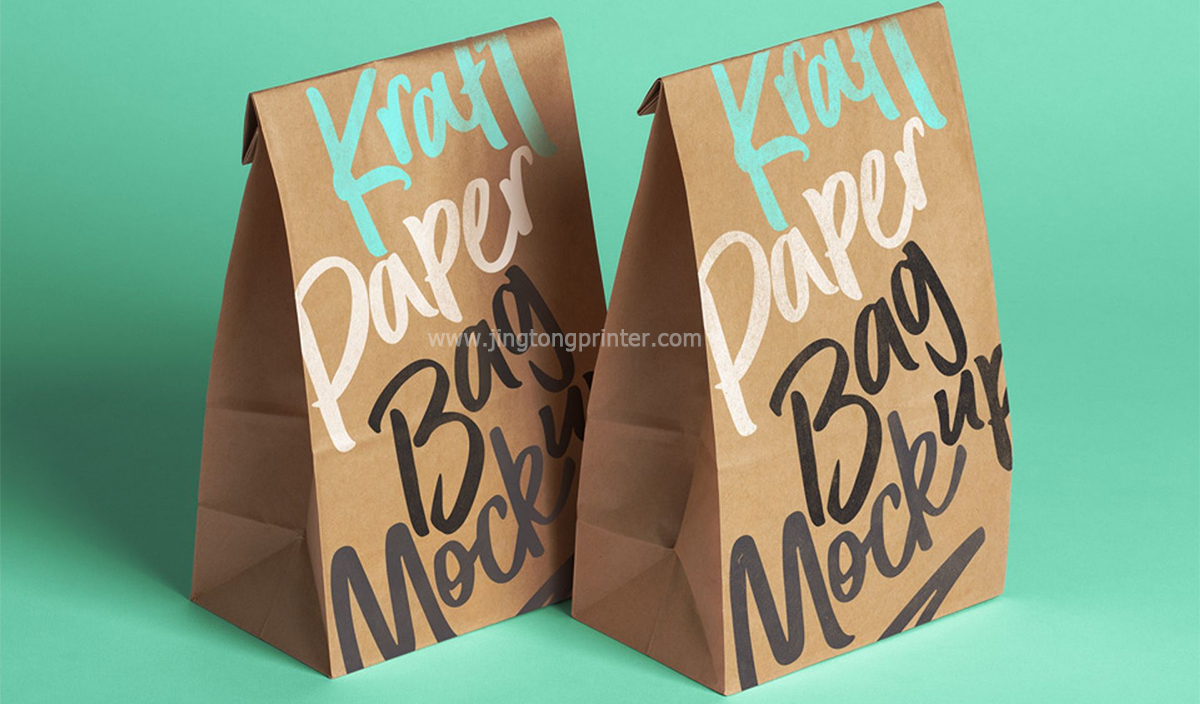
● Paper Bags: Shopping bags, takeaway bags, and promotional packaging.
● Product Labels: Kraft labels for food products, handmade goods, and natural-style branding.
● Wrapping Paper: Gift wrapping and customized product packaging.
For Corrugated Packaging, multiple paper layers are combined to provide additional strength and protection.
Digital Printing on Kraft Paper
Digital printing provides a flexible way to customize kraft paper packaging without conventional printing plates. It is suitable for short-run orders, variable designs, product branding, and customized packaging.
digital inkjet technology can print logos, text, graphics, and images directly onto compatible paper-based materials.
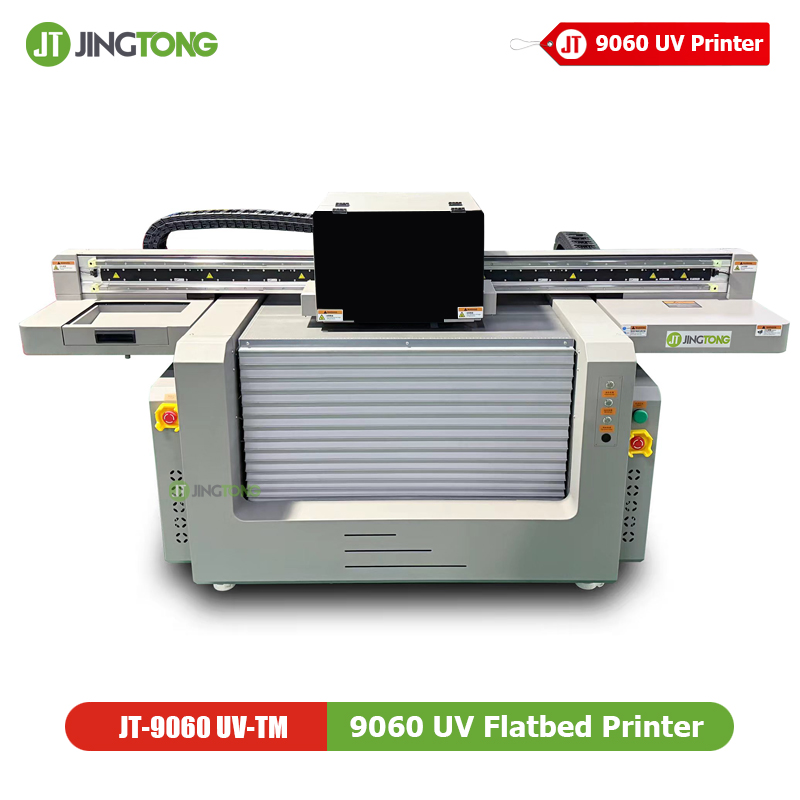
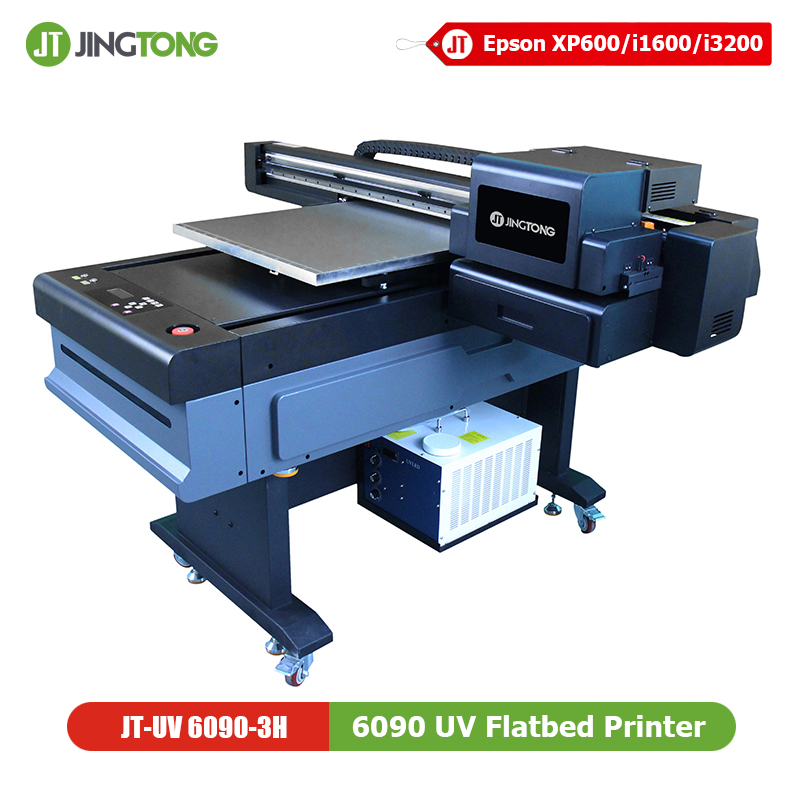
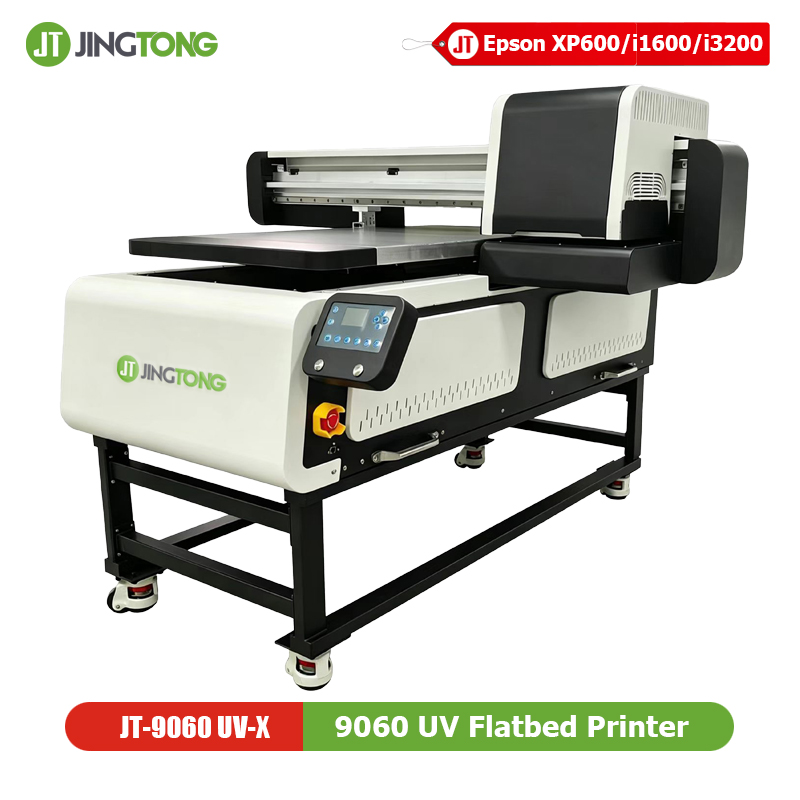
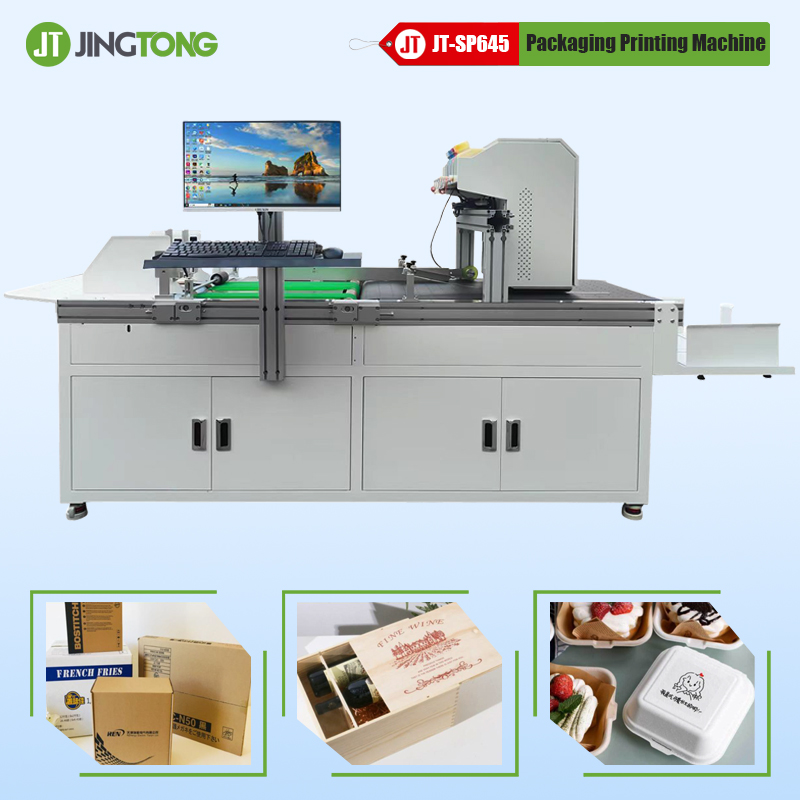
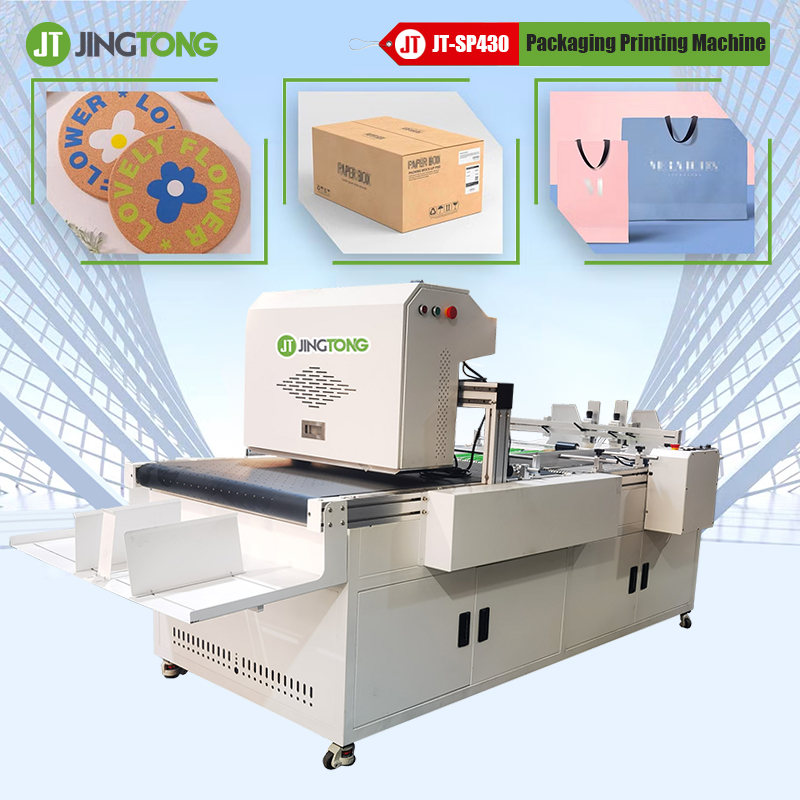
For corrugated boxes, digital inkjet printers offer an efficient option for producing customized packaging designs. Single-pass digital printing systems use fixed printheads while the material moves continuously through the printing area, making them suitable for industrial packaging production.
However, kraft paper has a relatively porous surface that can absorb ink differently from coated paper. Its brown background may also affect the appearance of printed colors. Therefore, ink compatibility, print settings, and material testing are important for achieving the desired results.
Finishing Options for Kraft Paper
Besides printing, finishing processes can enhance the appearance and texture of kraft packaging.
Hot Foil Stamping: Uses heat and pressure to transfer decorative foil onto selected areas. Gold and silver effects are commonly used for logos and brand details.
Embossing and Debossing: Create raised or recessed patterns, adding texture and a distinctive tactile effect.
Lamination and Coating: Provide different surface appearances and additional protection, depending on the material and coating system.
These finishing methods can be combined with printed graphics to create more distinctive packaging designs. Their compatibility depends on the paper grade and production process.
Choosing the Right Kraft Paper Printing Solution
Selecting the right equipment depends on the material, production volume, design requirements, and finishing process.
For corrugated boxes and paper packaging, digital Inkjet Printers provide flexibility for customized graphics and shorter production runs.
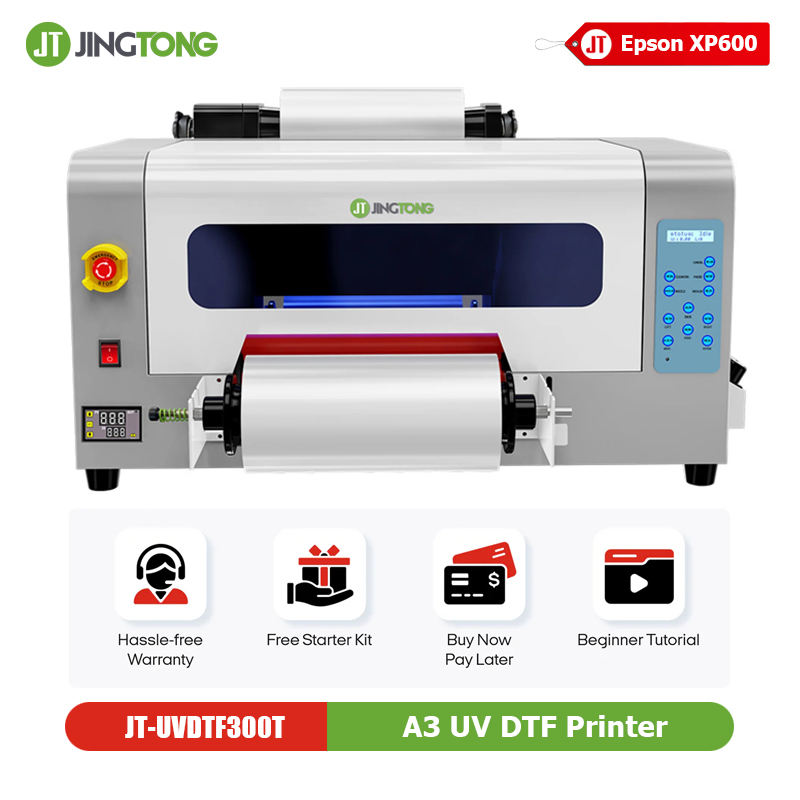
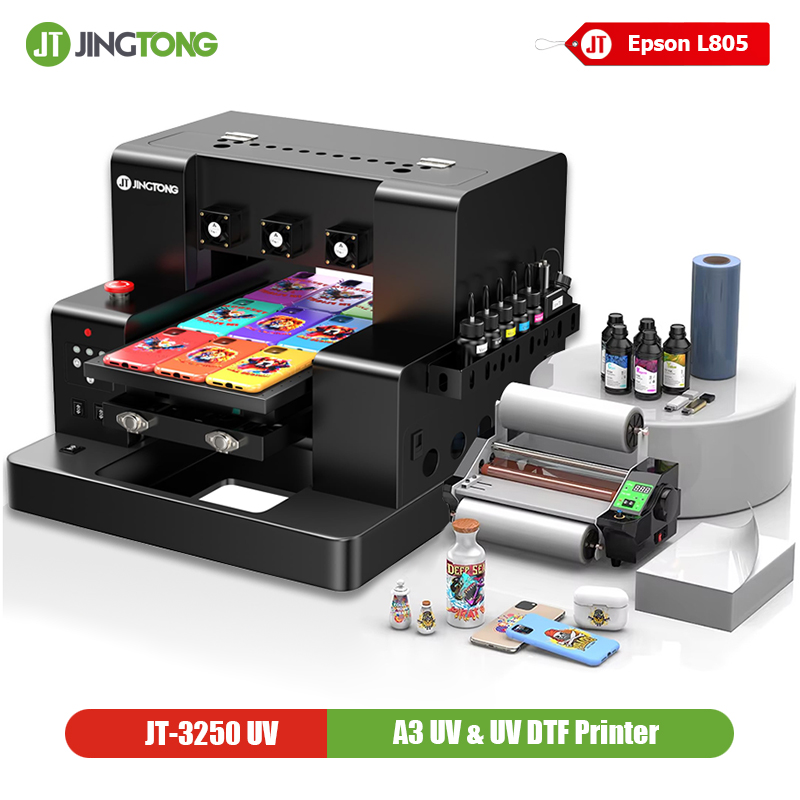
For product labels, digital label printers can support different designs and customized label production.
When metallic effects or textured details are required, hot foil stamping and embossing machines can be used as additional finishing equipment.
Before production, businesses should test the actual paper material to confirm printing quality, ink compatibility, and finishing results.
Final Thoughts
Kraft paper remains an important packaging material because of its strength, versatility, and natural appearance. It is widely used for corrugated boxes, folding cartons, paper bags, and product labels.
Digital inkjet printing offers flexible customization, while foil stamping and embossing provide additional decorative possibilities. Combining suitable materials, printing technologies, and finishing processes helps businesses produce packaging for different market requirements.
get latest company news
Scan To Wechat