


register for newsletter
get latest company news
+86 13113657186



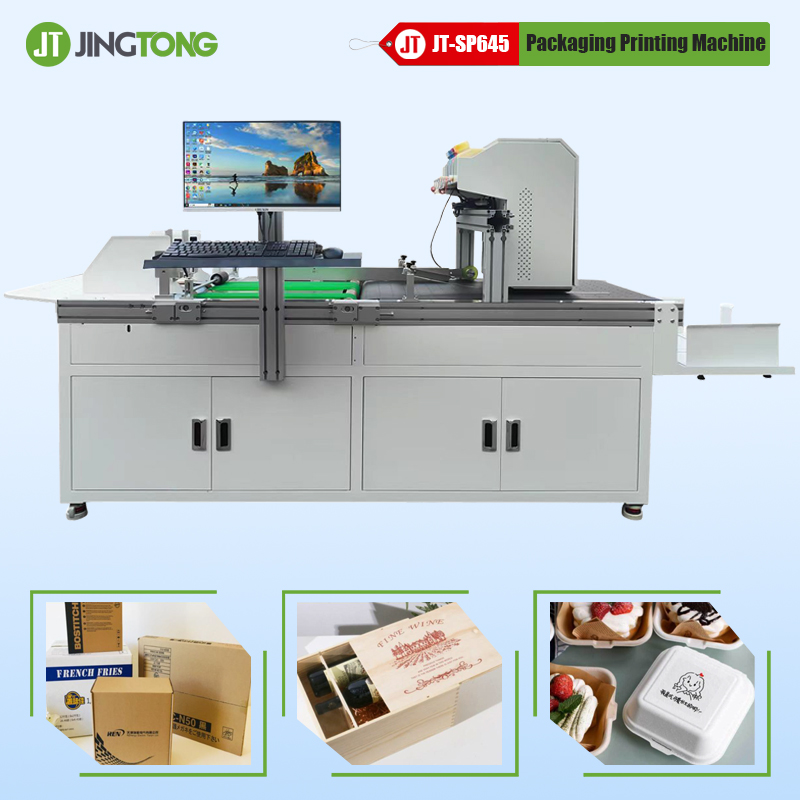
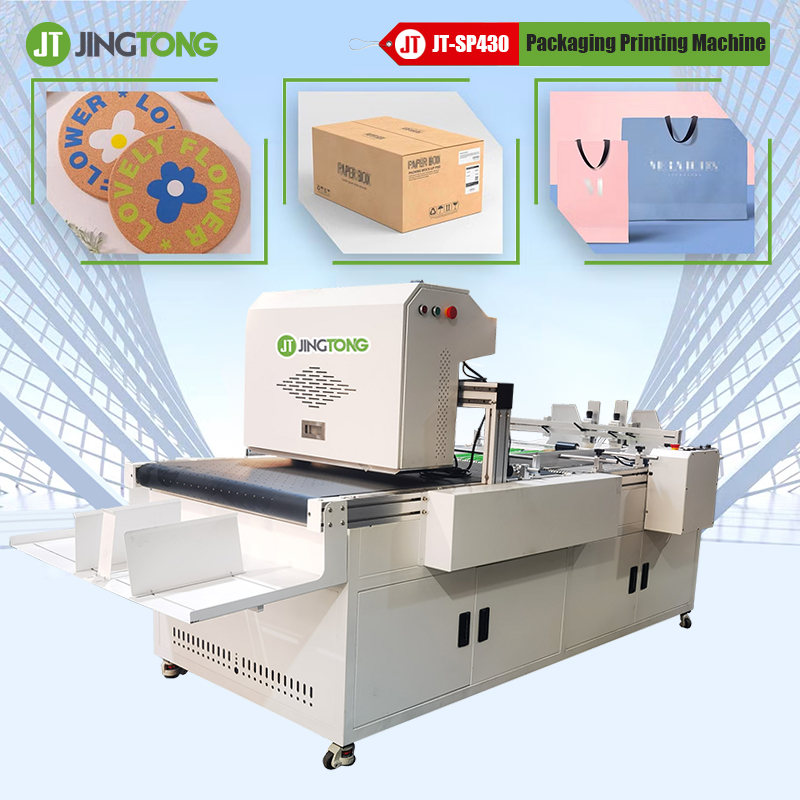
Printing speed is an important factor in packaging production, especially for manufacturers handling large orders and tight delivery schedules. Single-pass inkjet printing has become an effective solution for industrial packaging applications because it completes printing in one pass instead of moving the printhead back and forth across the material.
Understanding the differences between single-pass and scanning printing helps manufacturers choose the right equipment for their production needs.
How Single-Pass Printing Works
In a single-pass printing system, the printheads remain fixed across the printing width while the material moves continuously beneath them. As the substrate passes through the printing area, the printheads deposit ink directly onto its surface.
The image is completed in one pass, without requiring repeated printhead movements. This design supports continuous production and reduces the time needed to print each sheet or board.
Single-pass technology is particularly suitable for industrial applications where production speed and consistent output are important.
Single-Pass vs. Scanning Printing
Traditional scanning printers use a moving printhead carriage that travels back and forth across the substrate. Depending on the selected print mode, multiple passes may be required to complete an image.
Single-pass systems use a different approach: the printheads stay stationary while the material moves through the printing area.
The main differences include:
● Printing speed: Single-pass systems can achieve higher throughput because printing is completed in one pass.
● Printhead movement: Scanning printers require repeated carriage movements, while single-pass systems use fixed printheads.
● Production workflow: Single-pass equipment is designed for continuous material feeding and industrial production.
● Application requirements: Scanning systems offer flexibility for various print modes, while single-pass systems are suited to applications prioritizing production efficiency.
Multi-pass printing can provide additional opportunities to improve image quality through repeated ink deposition. Therefore, the best choice depends on the required print quality, substrate and production volume.
Why Single-Pass Printing Is Suitable for Packaging
Packaging manufacturers often need to process large quantities of paperboard and corrugated materials. Repeated scanning can become a production bottleneck when order volumes increase.
Single-pass printing helps address this challenge in several ways.
Higher Production Efficiency
Completing an image in one pass reduces repeated printing movements. Combined with an appropriate feeding and conveying system, this allows materials to move continuously through the production line.
Consistent Printing Workflow
Fixed printheads and controlled substrate movement help create a more stable production process. Proper material positioning and transport are still essential for accurate image placement.
Suitable for Industrial Production
Single-pass inkjet technology is suitable for corrugated boxes, paperboard packaging and other compatible substrates. It can support manufacturers handling continuous production and customized packaging orders.
Flexible Digital Artwork
digital printing allows manufacturers to change artwork through the printing workflow without preparing conventional printing plates for every design. This is useful for short-run packaging, multiple designs and customized orders.

What to Consider When Choosing a Single-Pass Printer
High printing speed alone does not determine overall production efficiency. Manufacturers should also evaluate several technical factors before selecting equipment.
● Printhead configuration: The number, arrangement and resolution of printheads affect printing width and image quality.
● Material handling: The feeding and conveying system must support the substrate size, thickness and required positioning accuracy.
● Ink compatibility: Ink must match the material's surface properties to achieve suitable adhesion and image quality.
● Drying system: Appropriate drying is necessary to prevent smearing and support the next production stage.
● Production requirements: Actual throughput depends on print resolution, image coverage, material movement and equipment configuration.
Testing the intended packaging material is recommended before confirming a production solution.
Final Thoughts
Single-pass printing offers an efficient approach to industrial digital packaging production by keeping the printheads fixed and moving the substrate through the printing area. Compared with traditional scanning systems, it can significantly improve throughput in suitable high-volume applications.
For manufacturers producing corrugated boxes and customized paper packaging, choosing a single-pass digital printer can help streamline production. However, print quality, material compatibility and the complete feeding and drying workflow should all be considered when evaluating equipment.
get latest company news
Scan To Wechat