


register for newsletter
get latest company news
+86 13113657186



Single-pass and multi-pass printing are two common inkjet printing technologies used in industrial and commercial applications. Although both use digital printheads to deposit ink onto materials, their printing mechanisms are different.
Understanding these differences helps manufacturers select suitable equipment based on production volume, image quality and application requirements.
How Single-Pass and Multi-Pass Printing Work
Single-Pass Printing
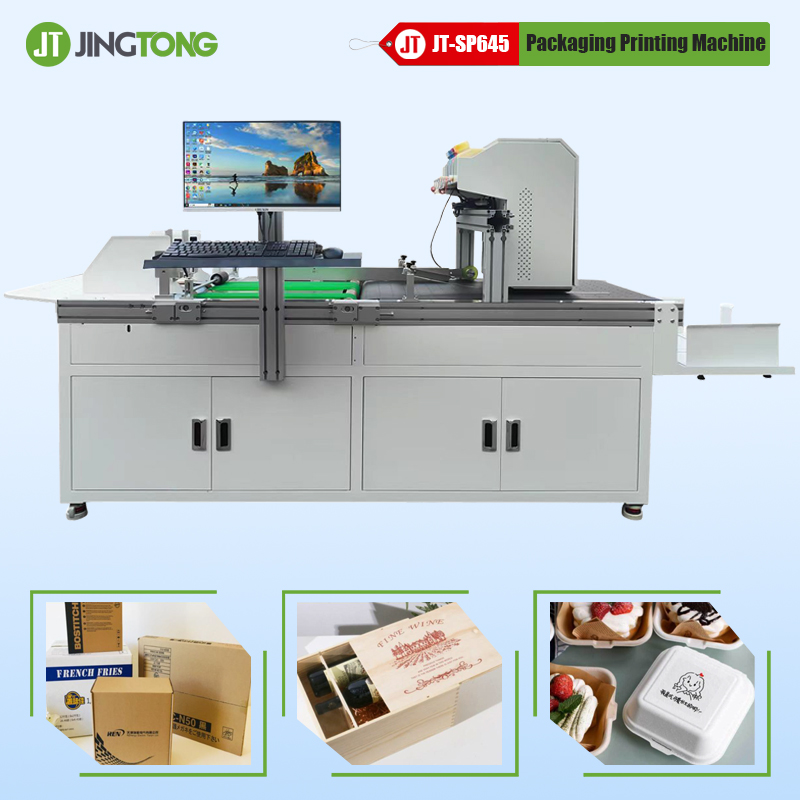
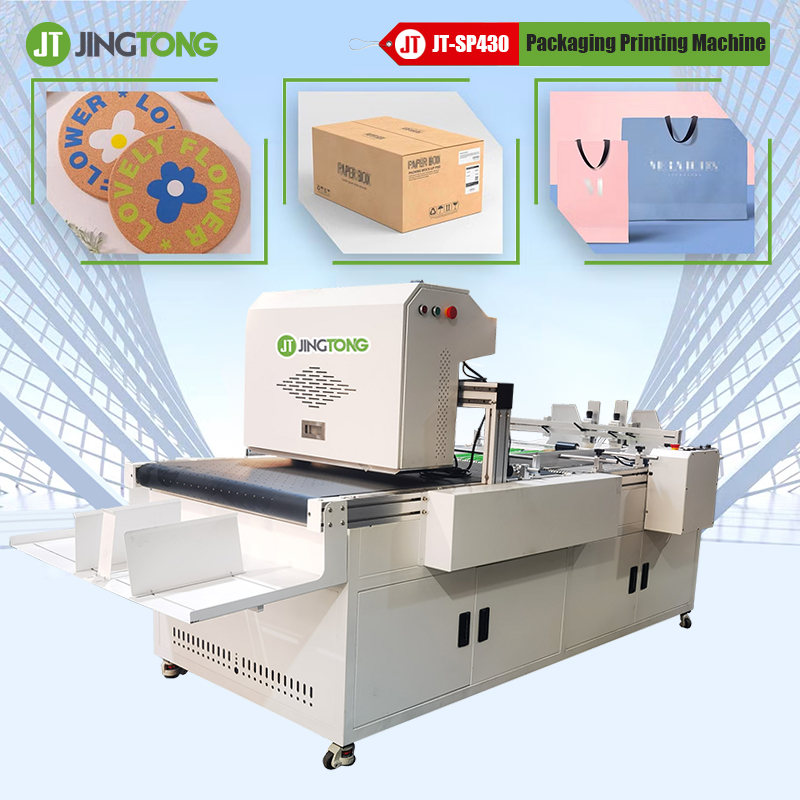
Single-pass printing uses a stationary printhead array that covers the printing width. The material moves continuously beneath the printheads, and the complete image is produced in one pass.
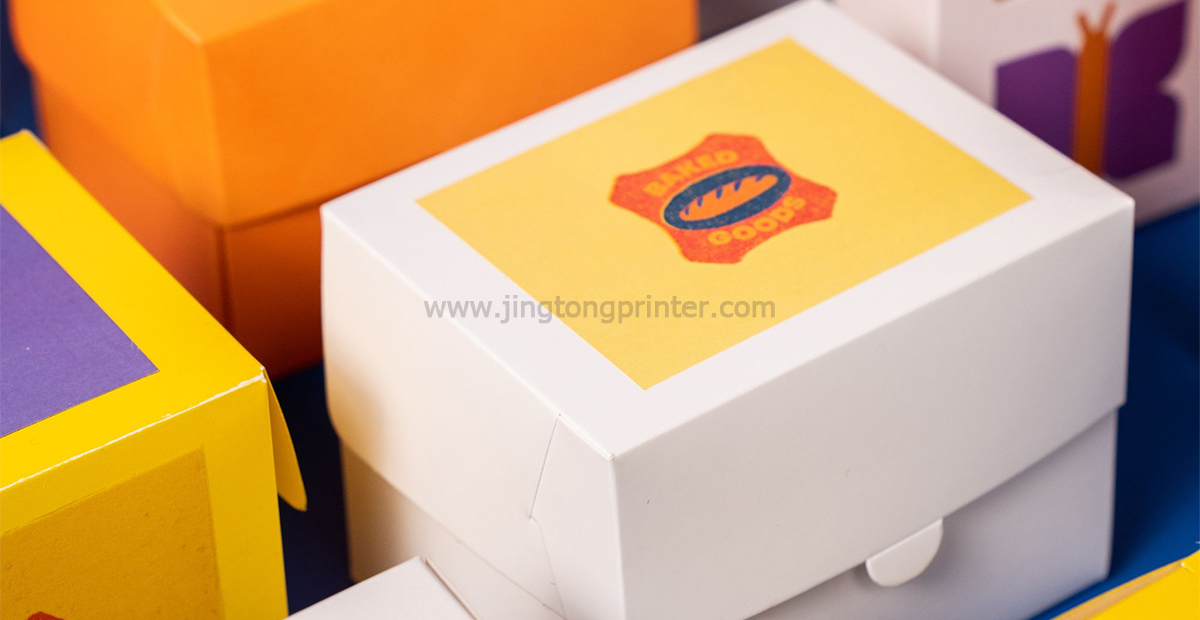
Because the printheads do not need to move back and forth, this structure supports continuous production and high throughput. It is commonly used in industrial applications such as Corrugated Box Printing and other packaging production processes.
Multi-Pass Printing
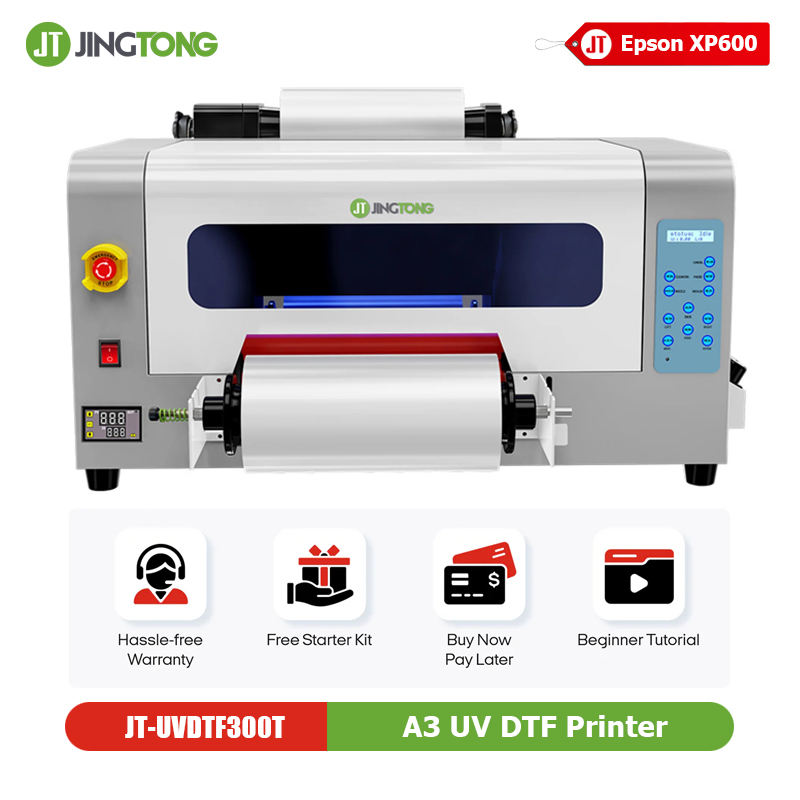
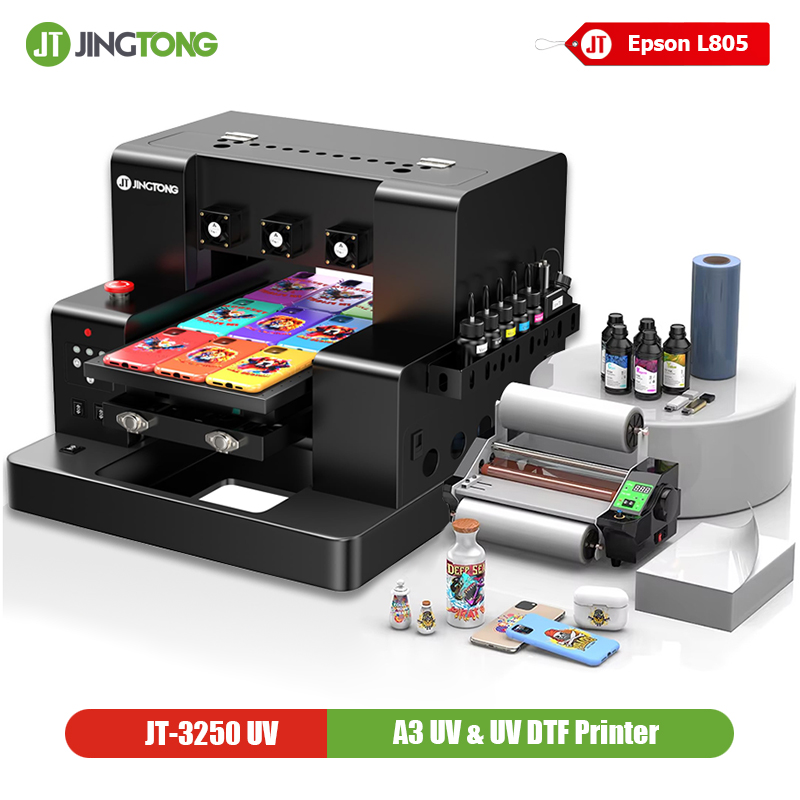
Multi-pass printing uses a moving printhead carriage that scans across the material. Each movement prints part of the image, while the substrate advances between passes until the entire image is completed.
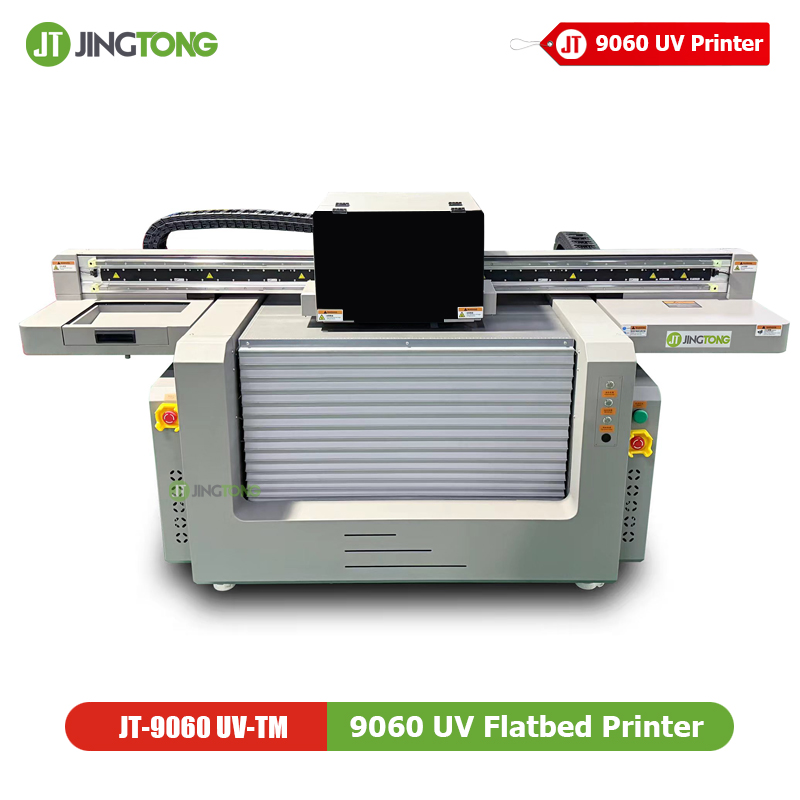
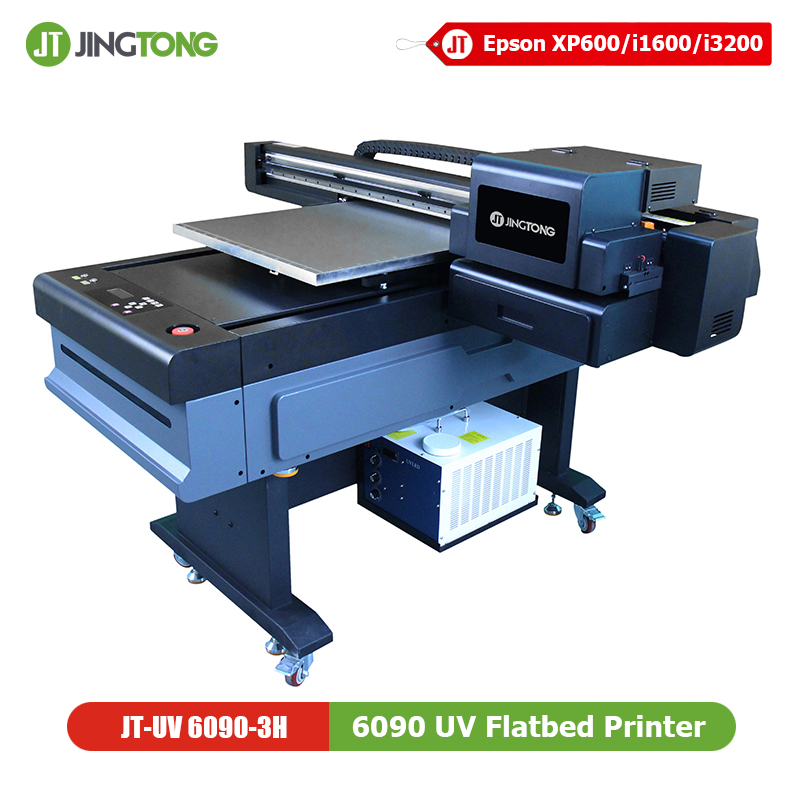
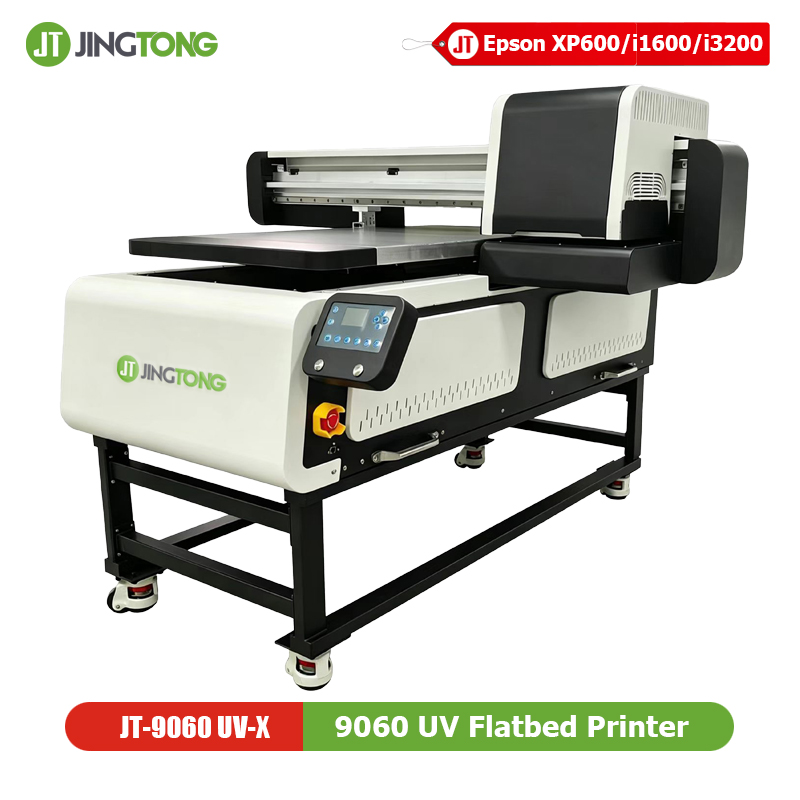
This method allows ink droplets to be distributed across multiple printing passes. It is widely used in UV flatbed, roll-to-roll and other wide-format printing applications.
Key Differences Between Single-Pass and Multi-Pass Printing
The main difference is how the printheads and materials move during the printing process.
● Printing speed: Single-pass systems can achieve higher production throughput by completing an image in one pass. Multi-pass systems require repeated scanning movements.
● Image quality: Both technologies can produce high-quality results. Multi-pass printing can help reduce visible nozzle defects through overlapping passes, while single-pass systems require precise printhead alignment and stable material transport.
● Production efficiency: Single-pass printing is suitable for continuous industrial production, while multi-pass printing offers flexibility for different image sizes and print modes.
● Equipment structure: Single-pass systems use fixed printhead arrays, whereas multi-pass printers require a moving carriage and scanning mechanism.
● Applications: Single-pass technology is commonly used for high-volume packaging production, while multi-pass systems are widely applied to customized graphics, rigid materials and wide-format printing.
What Do 4-Pass and 8-Pass Mean?
In multi-pass printing, terms such as 4-pass and 8-pass describe how many scanning passes are used to build the printed image.
A 4-pass mode distributes image data across four passes, while an 8-pass mode uses eight passes. Increasing the pass count generally reduces printing speed but can improve image smoothness and help minimize visible banding, depending on the printer and print settings.
It is important to understand that pass count does not represent the number of ink colors or the number of complete ink layers. CMYK is a color configuration, while pass count describes the printing process.
How to Choose the Right Printing Technology
The best printing method depends on the application and production requirements.
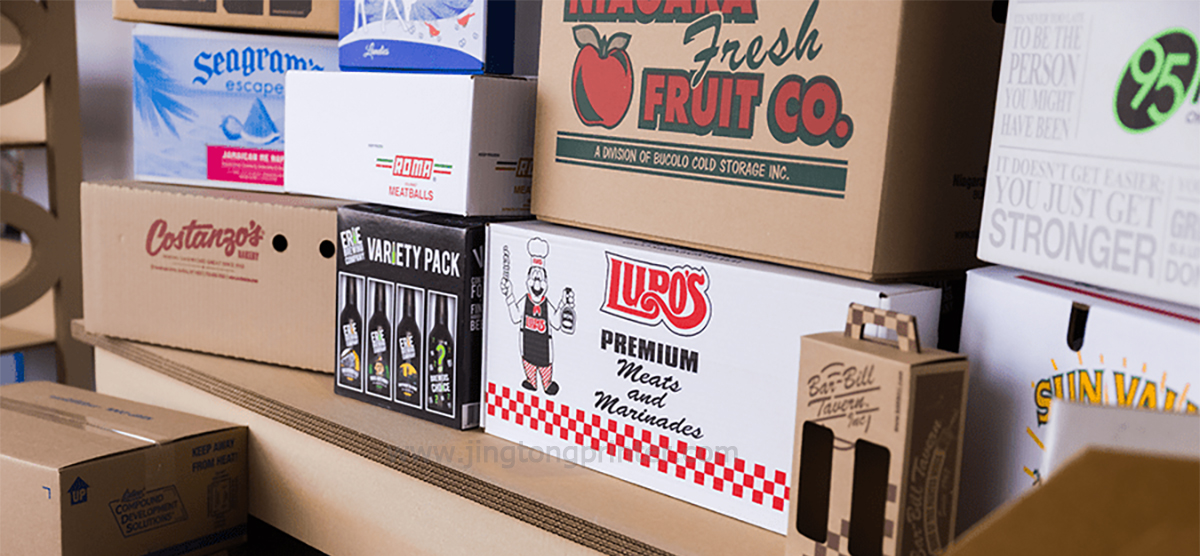
For manufacturers handling large quantities of corrugated boxes, paperboard packaging and standardized packaging products, single-pass inkjet printing can provide an efficient continuous production workflow.
For businesses producing customized graphics, promotional products, signage or different rigid materials, multi-pass printing may offer greater flexibility in print modes and material handling.
Other factors should also be considered, including substrate compatibility, printhead configuration, ink type, drying or curing requirements and maintenance.
For example, uv printing requires sufficient curing energy to ensure proper ink adhesion. In high-speed production, the curing system must be matched to the material transport speed and ink characteristics.
Final Thoughts
Single-pass and multi-pass printing each have advantages for different production environments. Single-pass technology focuses on continuous high-throughput printing, while multi-pass technology provides flexible scanning and image-building options.
For packaging manufacturers, single-pass digital inkjet printing is a suitable option when production efficiency and continuous output are priorities. Selecting the right system requires evaluating not only printing speed but also image quality, material compatibility and the complete production workflow.
get latest company news
Scan To Wechat