


register for newsletter
get latest company news
+86 13113657186



Kraft paper is widely used in packaging because of its natural brown appearance, good strength and versatile applications. It is commonly found in paper bags, shipping boxes, product cartons and customized retail packaging.
However, printing on kraft paper can be challenging. Its natural color, porous surface and varying fiber structure affect ink absorption and color reproduction. Choosing the right printing method and adjusting the printing process are important for achieving consistent results.
What Makes Kraft Paper Different?
Kraft paper is produced from wood pulp using the kraft pulping process. It is available in several types, including natural brown kraft, bleached white kraft, coated kraft and recycled kraft paper.
Natural brown kraft has a relatively rough and absorbent surface. It creates a distinctive appearance but can make printed colors look darker or less saturated. Bleached and coated kraft papers generally provide lighter or smoother surfaces, which can support more predictable printing results.
Paper weight, surface smoothness, moisture content and fiber quality should also be considered when selecting kraft paper for packaging production.
Common Printing Methods for Kraft Paper
Different printing technologies are suitable for different production requirements.
Flexographic Printing is commonly used for high-volume production of kraft paper bags, wrapping paper and Corrugated Packaging. It supports continuous printing and is often used with water-based inks.
Offset Printing is suitable for packaging that requires detailed graphics, fine text and consistent color reproduction. It is commonly used for paperboard cartons and premium packaging.
Screen Printing can produce relatively opaque ink layers, making it useful for bold graphics, logos and white ink designs on brown kraft paper.
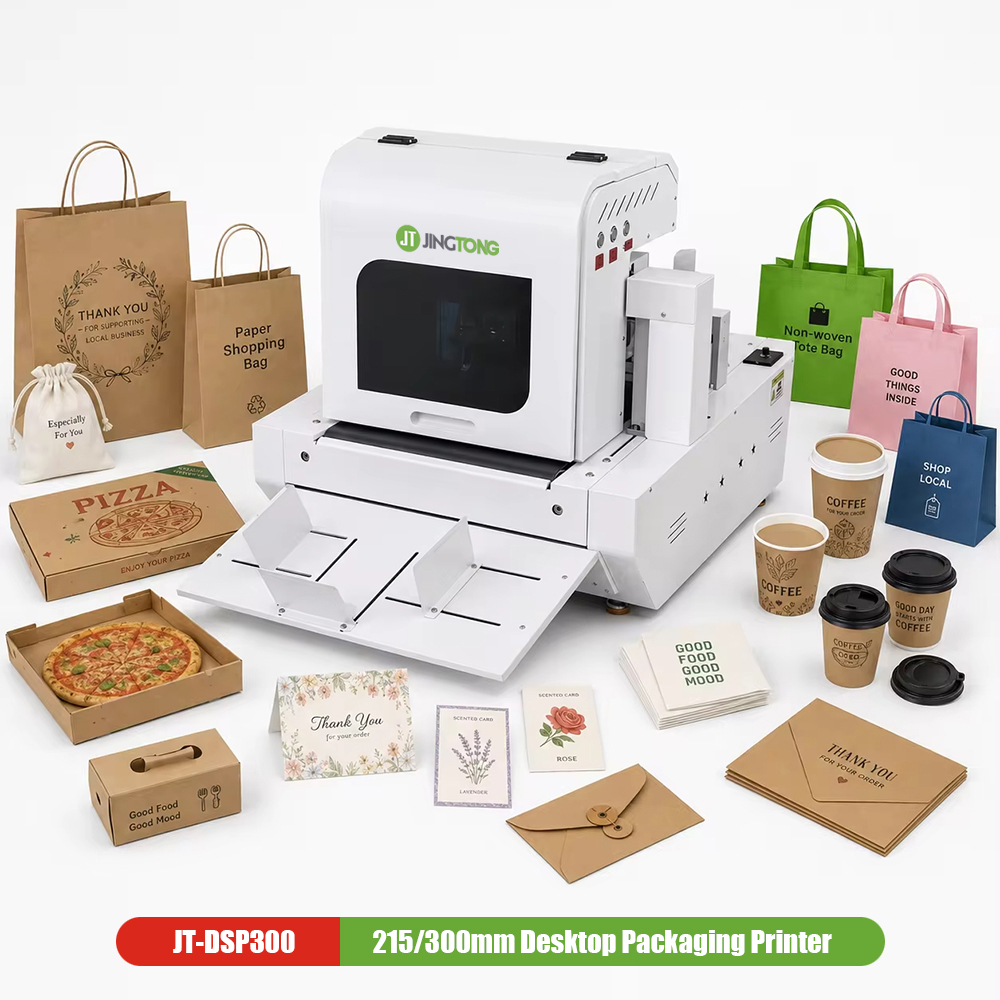
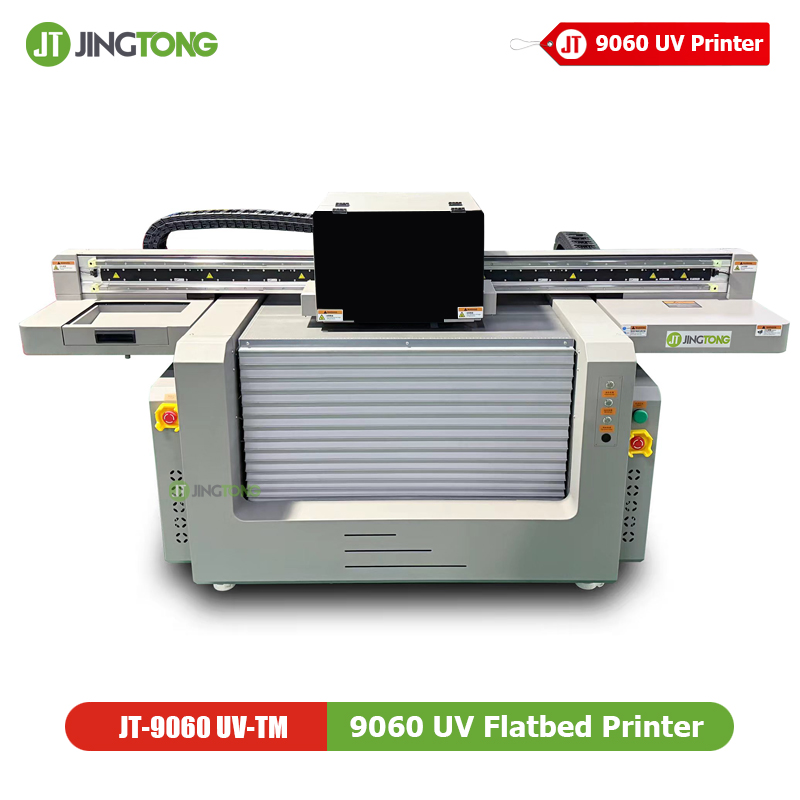
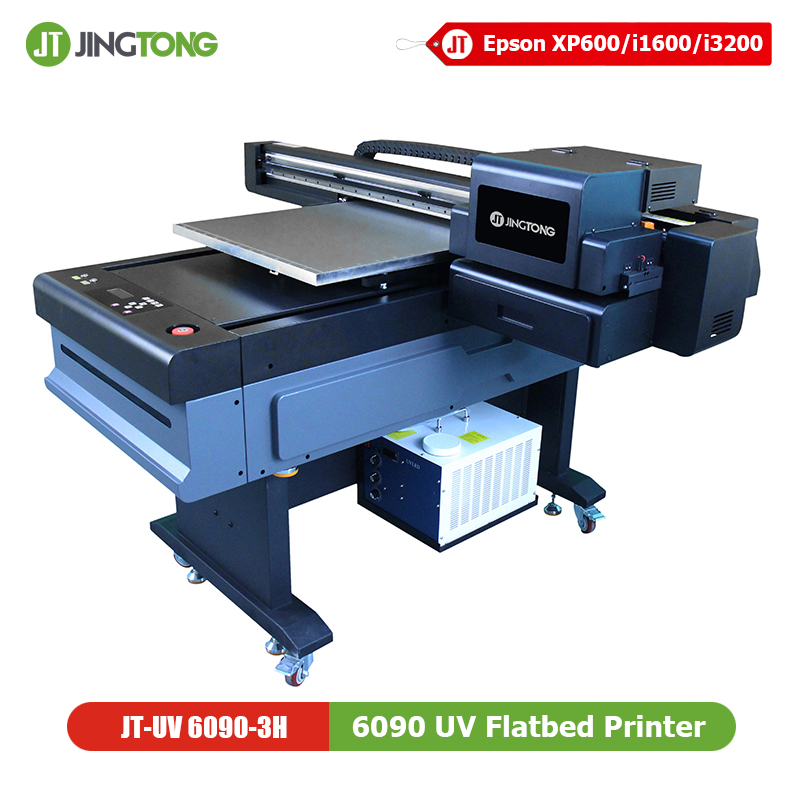
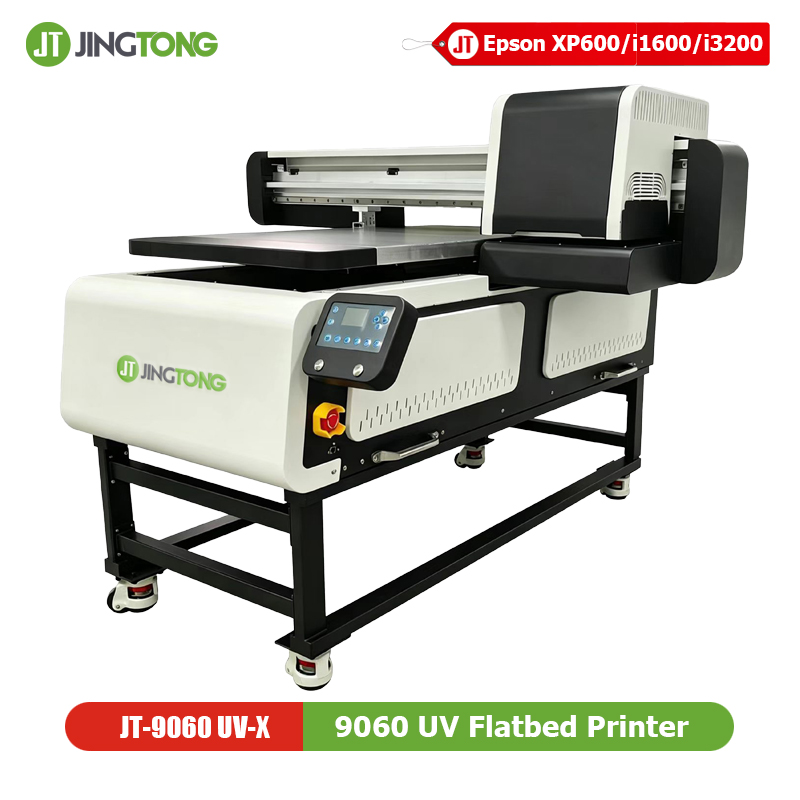
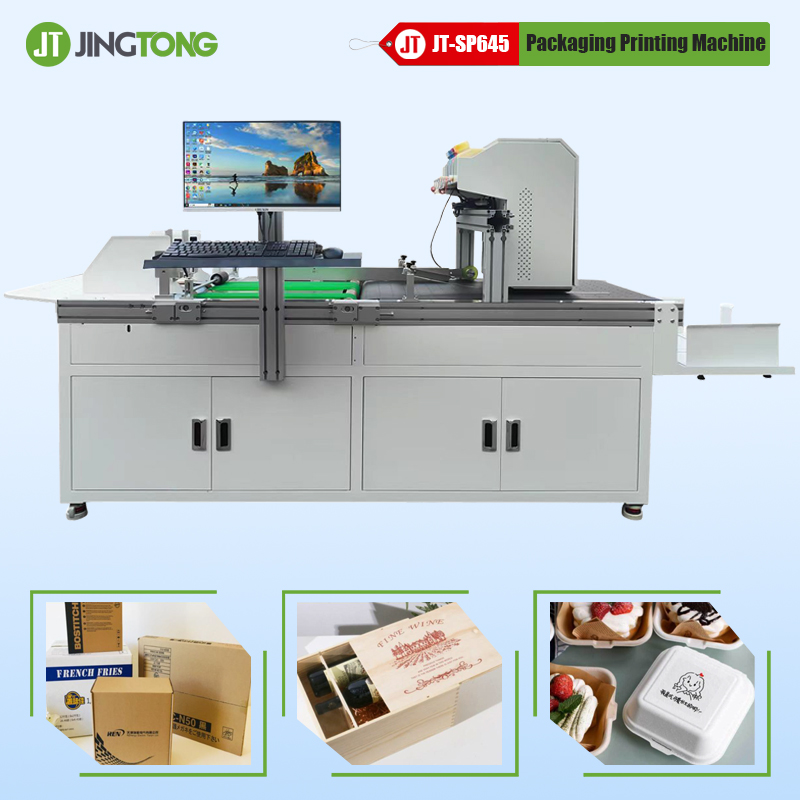
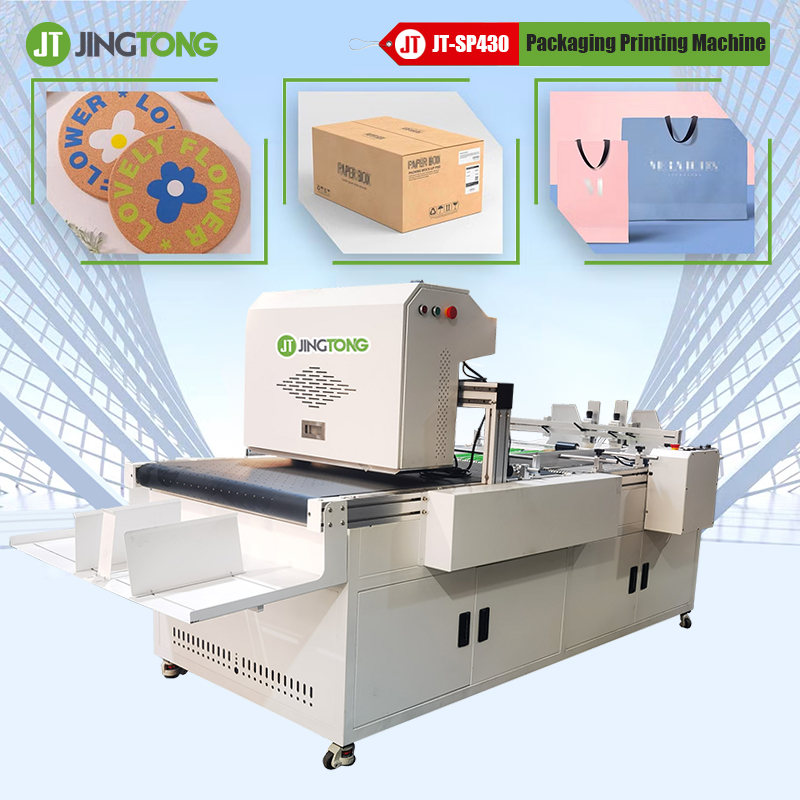
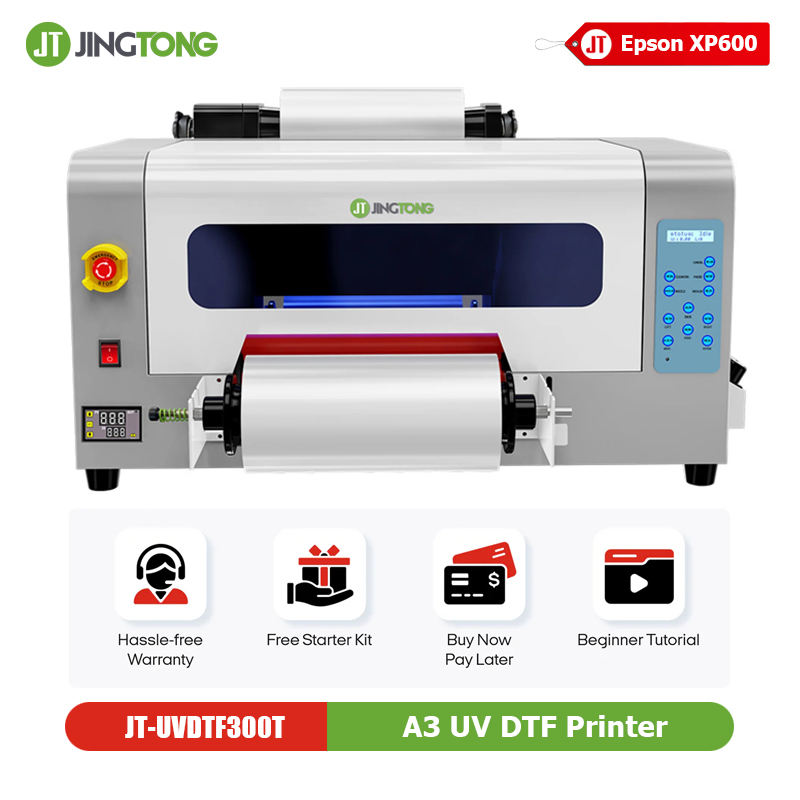
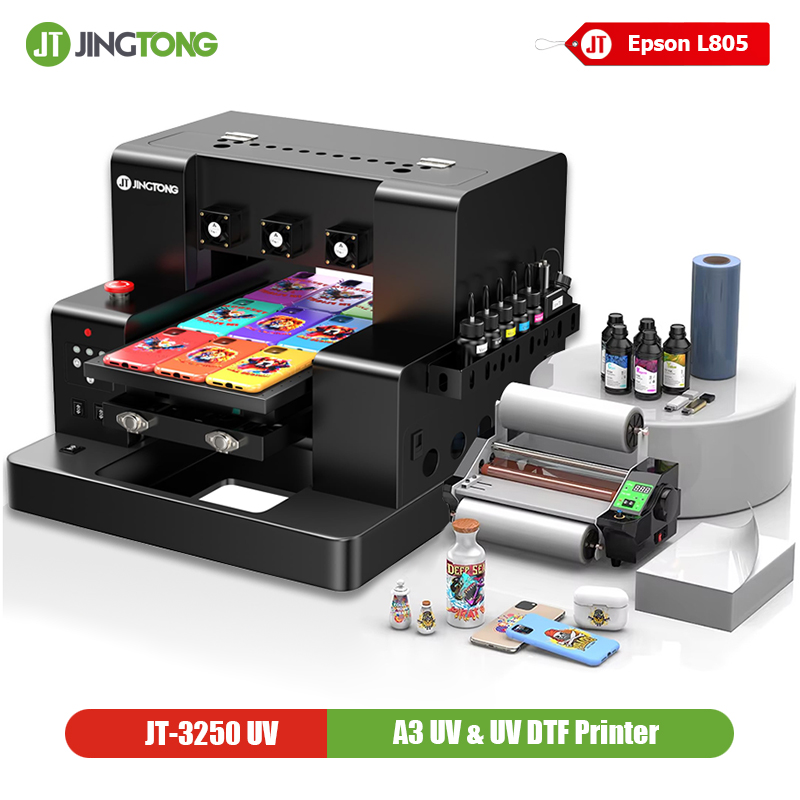
Digital inkjet printing offers flexibility for short-run production, customized designs and frequent artwork changes. It eliminates conventional printing plates and allows manufacturers to print different designs through a digital workflow.
The best method depends on the paper type, production volume, image requirements and available equipment.
Common Challenges When Printing on Kraft Paper
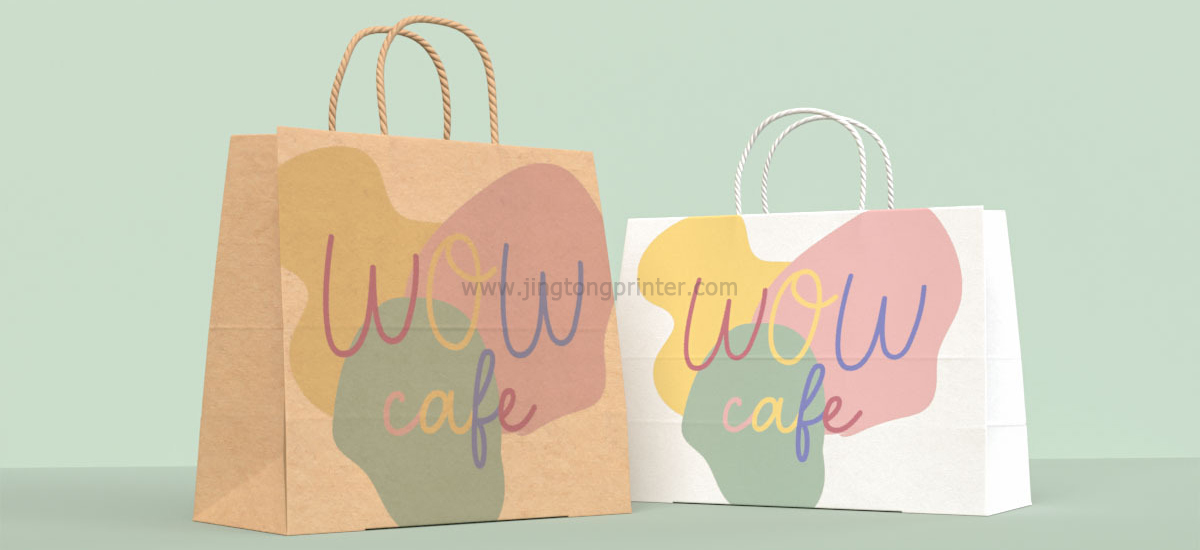
One of the biggest challenges is uneven ink absorption. The porous fibers of uncoated kraft paper can absorb liquid ink quickly, potentially reducing color density and making fine details less sharp.
The natural brown background also affects color appearance. Light colors, especially pastel shades, may look dull or become difficult to distinguish. Darker colors such as black, dark green and navy generally provide stronger contrast.
White ink can be used as a base layer to improve contrast on brown kraft paper, but this requires a printer specifically configured to support white ink. It should not be assumed that every CMYK Inkjet Printer can produce this effect.
How to Improve digital printing Results on Kraft Paper
For digital inkjet packaging production, several factors should be evaluated before starting a production run.
● Choose suitable paper: Test different kraft grades and surface finishes to find a material compatible with the ink system.
● Adjust color settings: Account for the brown background when preparing CMYK artwork. Printed colors may differ from their appearance on a white computer screen.
● Control ink absorption: Paper porosity and ink formulation affect dot spread, color density and drying behavior.
● Check drying performance: Ensure the ink has sufficient time and suitable conditions to dry before stacking or further processing.
● Maintain consistent materials: Variations in paper quality and moisture can lead to differences in printing results between batches.
For large production orders, sample printing is recommended to verify color appearance, ink adhesion and drying performance before mass production.
Applications of Digital Printing on Kraft Paper
Digital printing can support customized kraft packaging across several applications, including:
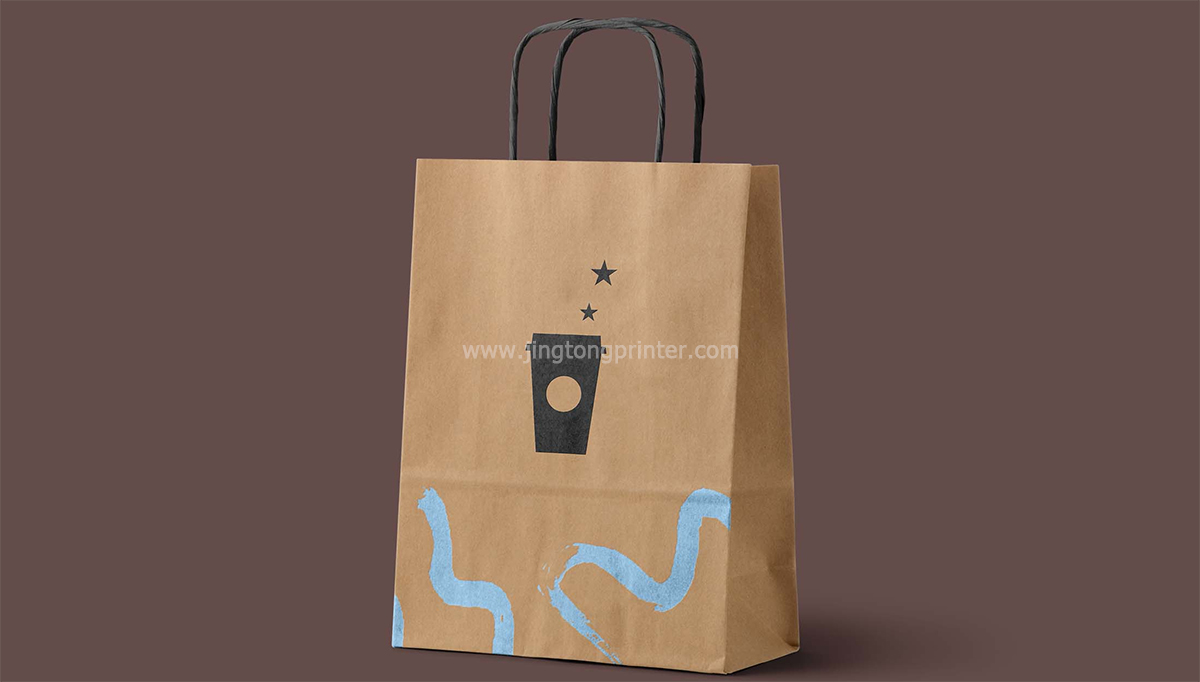
● Kraft Paper Bags: Custom logos, product information and promotional graphics.
● Kraft Shipping Boxes: Branding and shipping information printed directly onto suitable packaging materials.
● Retail Packaging: Customized product cartons and packaging sleeves.
● Food Packaging: Printed paper packaging for suitable food-related applications, subject to ink and regulatory requirements.
For packaging manufacturers handling multiple designs or smaller orders, Digital Inkjet Printing offers a flexible production option without the need for conventional printing plates.
Final Thoughts
Printing on kraft paper requires careful consideration of material quality, ink absorption, color management and drying conditions. Its natural brown surface creates a distinctive packaging appearance, but it also introduces challenges that are different from printing on coated white paper.
By selecting compatible materials and testing the printing process, manufacturers can achieve more consistent results. Digital inkjet printing provides an additional option for customized kraft packaging, especially when production flexibility and short-run orders are important.
get latest company news
Scan To Wechat