


register for newsletter
get latest company news
+86 13113657186



Corrugated cartons are widely used for shipping, storage and retail packaging. Besides providing product protection, printed graphics help display brand identities, product information and handling instructions.
Different printing technologies offer different advantages in terms of print quality, production speed, setup costs and application requirements. Understanding these methods helps packaging manufacturers choose the right solution for their production needs.
Common Corrugated Carton Printing Methods
Flexographic Printing
Flexographic printing uses flexible relief plates to transfer ink directly onto corrugated board. It is widely used for large-volume carton production because of its high printing speed and relatively efficient production process.
It works well for logos, text, simple graphics and shipping information. However, fine details and complex color gradients can be more difficult to reproduce consistently, especially on uneven corrugated surfaces.
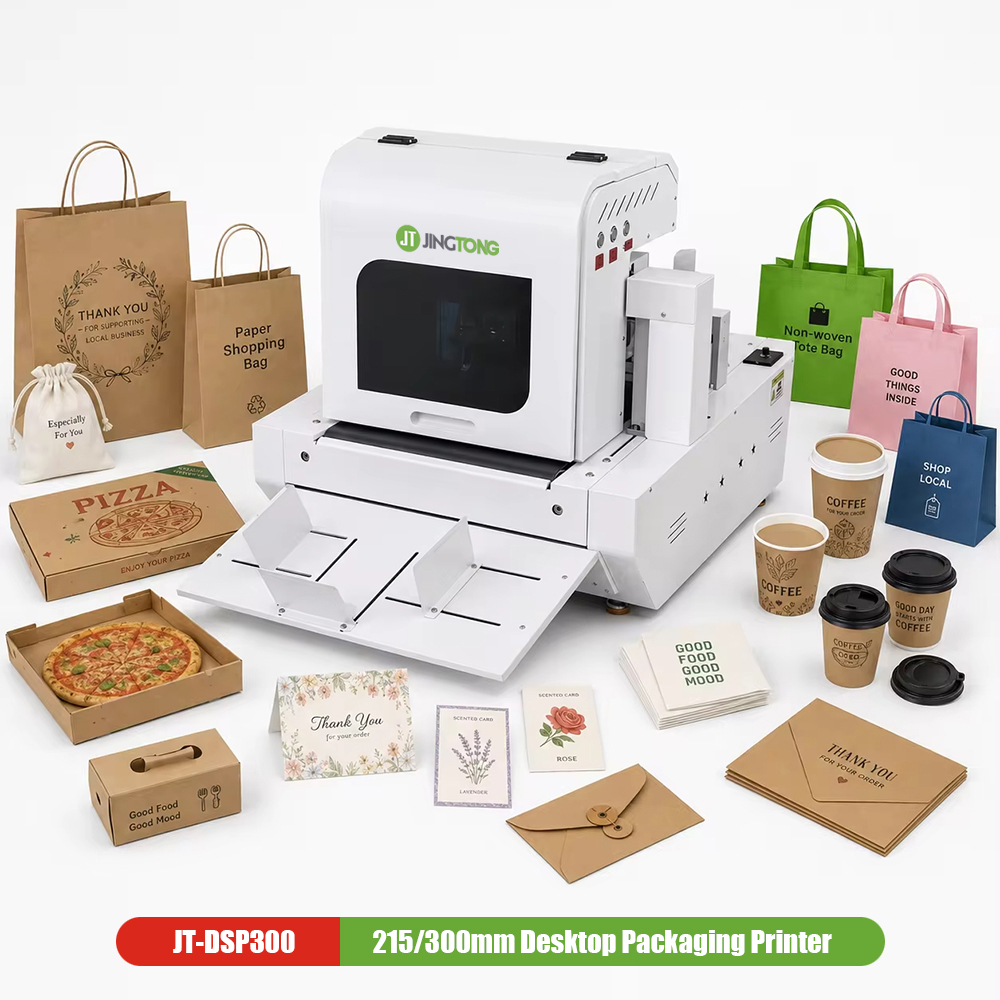
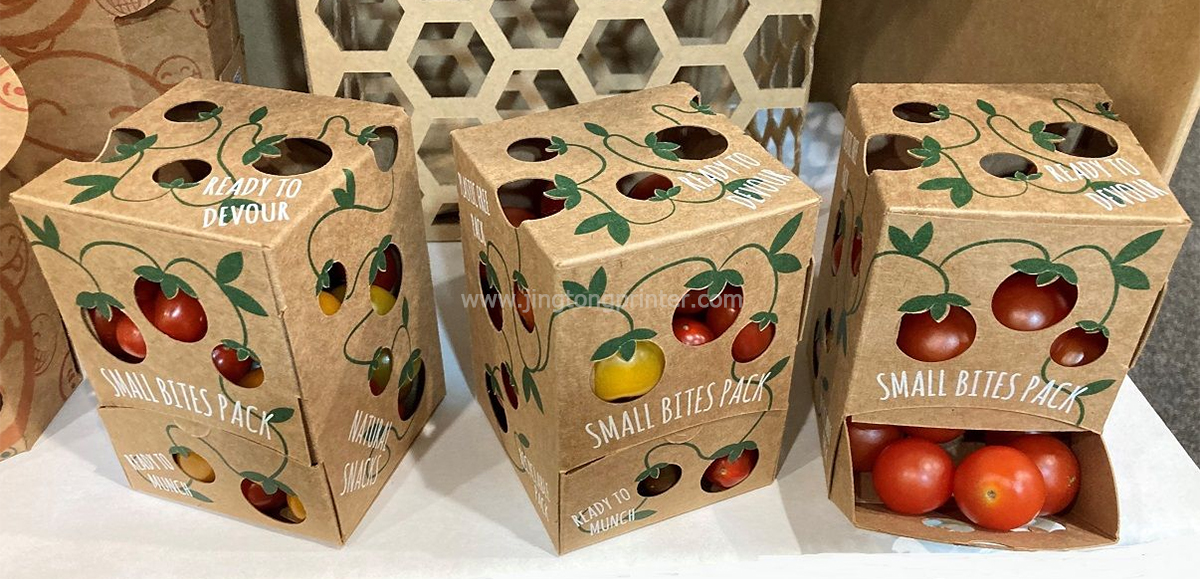
Digital printing uses inkjet technology to transfer images directly from digital files onto suitable corrugated materials. It does not require conventional printing plates, making artwork changes and job preparation more flexible.
This method is particularly useful for short-run orders, customized cartons, multiple SKUs and product sampling. Manufacturers can produce different designs without preparing a separate printing plate for each version.
Digital Corrugated Printing also supports variable graphics and product information. With suitable equipment, it can be used for both customized packaging and industrial production.
Offset Printing
Offset printing transfers ink from a plate to a rubber blanket before applying it to the printing surface. For Corrugated Packaging, it is commonly used to print flat paper sheets that are subsequently laminated onto corrugated board.
It provides high image resolution, smooth color gradients and accurate graphic reproduction. However, additional lamination processes and setup requirements can increase production time and cost.
Screen Printing
Screen printing pushes ink through a mesh screen onto the material. It can produce relatively thick and opaque ink layers, making it suitable for bold graphics, simple logos and functional markings.
However, its production speed and ability to reproduce fine details are generally more limited than other industrial printing methods.
Litho-Laminated Printing
Litho-laminated printing combines offset printing with corrugated board lamination. Graphics are first printed onto a paper sheet and then bonded to the corrugated structure.
This process delivers high-quality images and detailed graphics while retaining the strength of corrugated packaging. It is commonly used for premium retail packaging, promotional cartons and display boxes.
However, additional materials and production stages make it more complex and costly than direct printing methods.
How to Choose the Right Printing Method
The best printing technology depends on packaging structure, required image quality, production quantity and budget.
Flexographic printing is suitable for large-volume shipping cartons with relatively simple graphics. Offset and litho-laminated printing are better suited to packaging requiring detailed images and premium presentation.
Digital printing offers greater flexibility for manufacturers handling short runs, multiple designs and customized orders. It eliminates conventional plate preparation and simplifies artwork changes.
When selecting a printing method, manufacturers should also consider the following factors:
● Board structure: Flute type, liner quality and surface flatness affect printing performance.
● Ink compatibility: Ink formulation should match the paper surface and its absorption characteristics.
● Print quality: Fine text, barcodes, logos and detailed graphics require appropriate resolution and color management.
● Production volume: The most economical process depends on order size, setup requirements and repeat production frequency.
● Production workflow: Feeding, positioning, printing and drying systems all influence overall efficiency.
Digital Printing for Modern Corrugated Packaging
Digital inkjet printing is becoming an important option for packaging manufacturers that need more flexible production.
Traditional printing methods often involve plate preparation or additional processing steps. Digital printing allows manufacturers to transfer different artwork files directly to the printing system, making it easier to manage customized orders and frequent design changes.
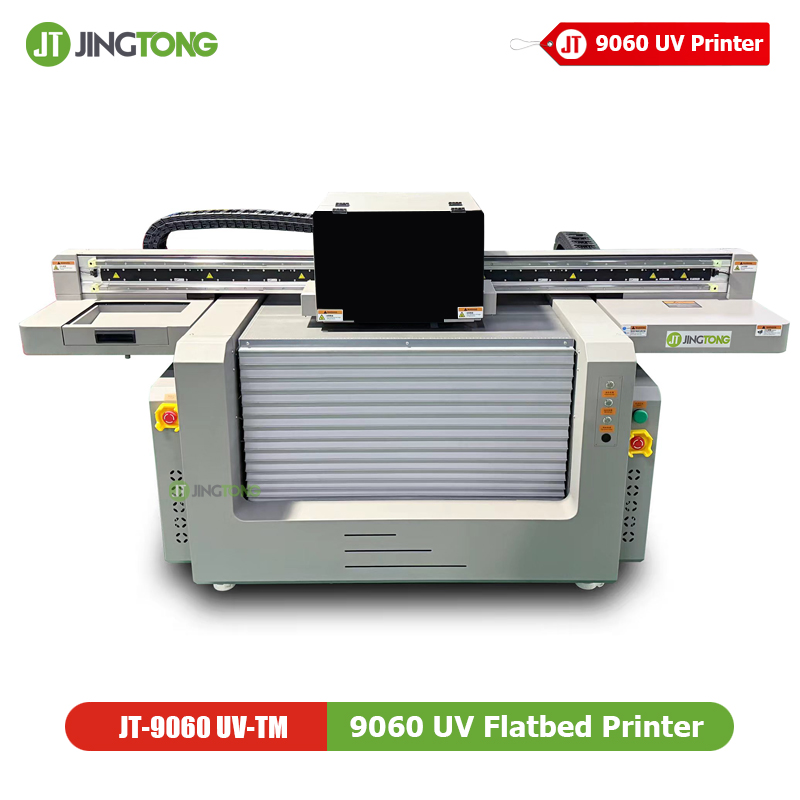
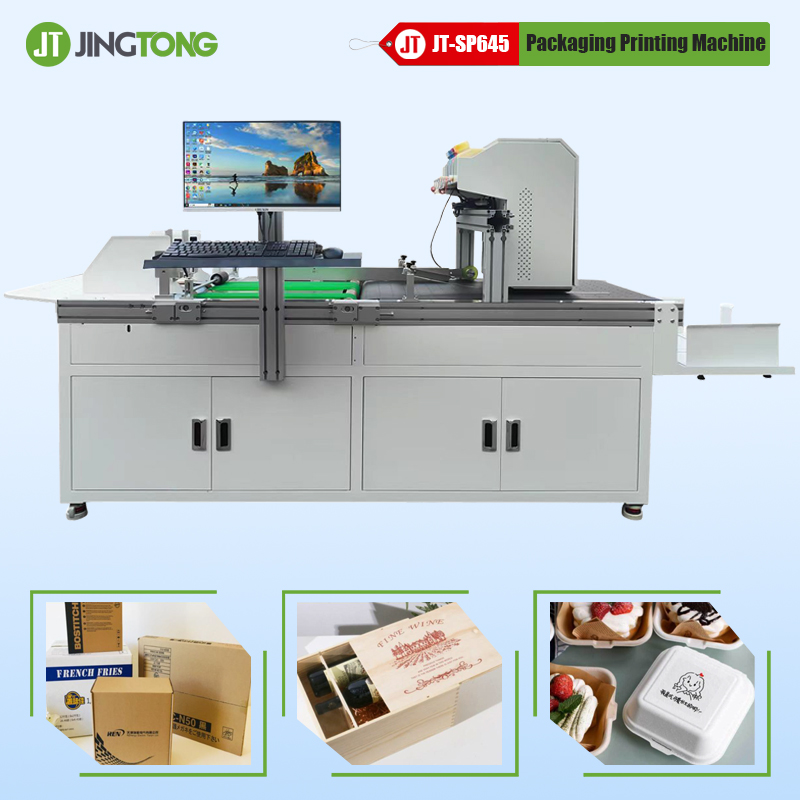
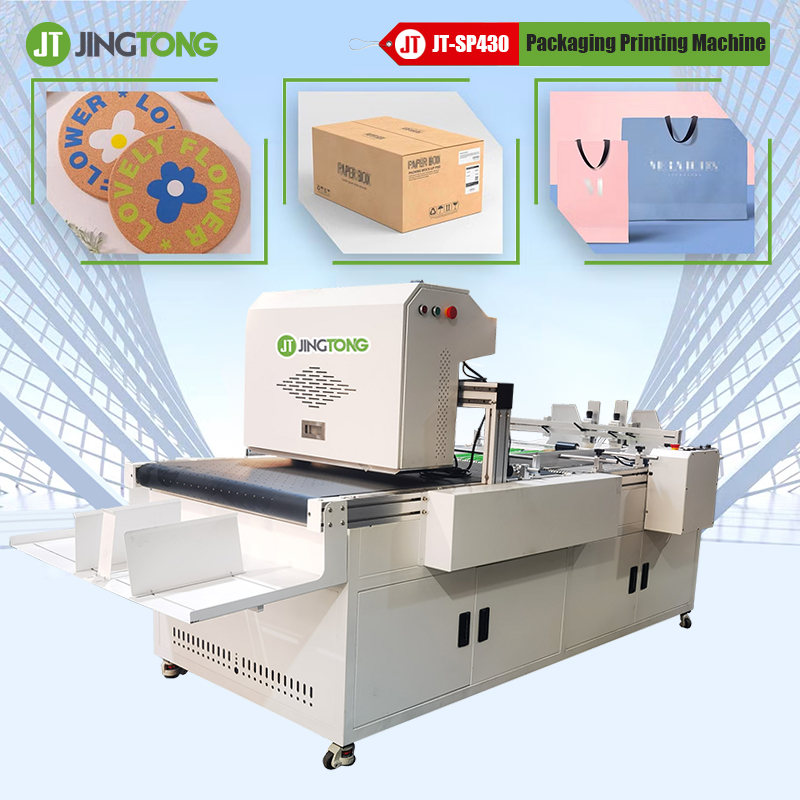
For corrugated box production, single-pass Inkjet Printers offer another approach to industrial printing. Fixed printheads cover the printing width while corrugated materials move through the machine, allowing images to be completed in one pass.
This technology is suitable for manufacturers seeking continuous production and higher throughput. Actual performance depends on printhead configuration, resolution, material handling and ink drying conditions.
Digital printing does not replace every traditional process. Instead, it provides an alternative for applications where customization, short production runs and flexible job changes are important.
Final Thoughts
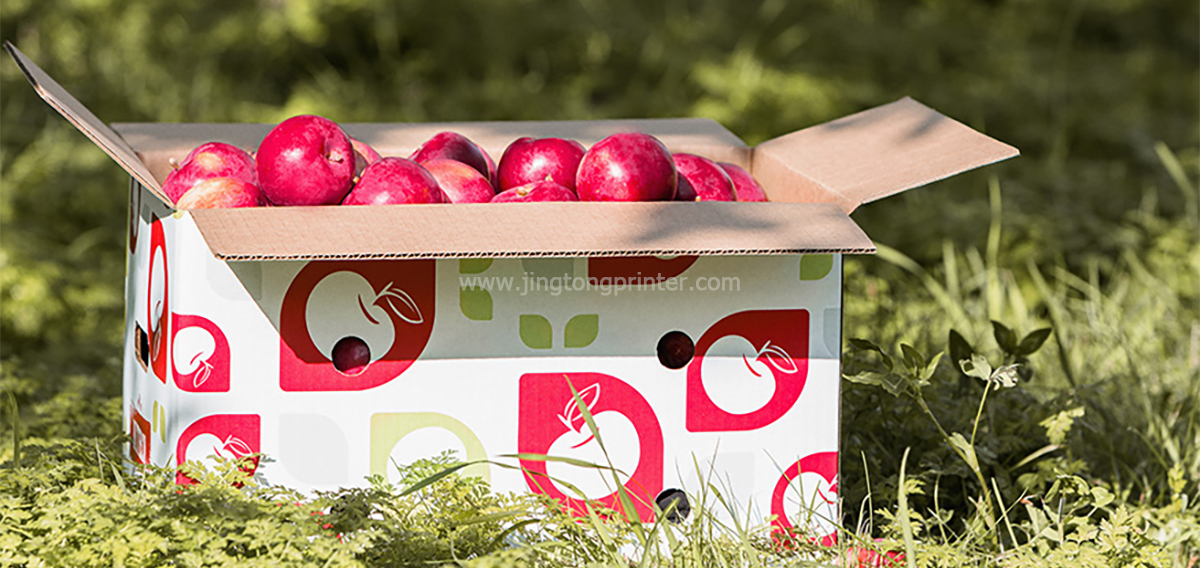
Corrugated carton printing includes several technologies, each serving different production requirements. Flexographic printing remains widely used for large-volume cartons, while offset and litho-laminated printing provide higher visual quality for retail packaging.
digital inkjet printing offers flexibility for customized packaging, multiple designs and short-run production. By matching the printing method with board structure, image requirements and order volume, manufacturers can achieve a more efficient and reliable packaging production process.
get latest company news
Scan To Wechat