


register for newsletter
get latest company news
+86 13113657186



Water-based inkjet printing is an important technology for digital paper packaging production. It uses water-based inks to transfer digital images directly onto suitable paper materials, offering flexibility for customized designs, short production runs and changing packaging requirements.
From kraft paper bags to corrugated boxes and paperboard cartons, water-based inkjet printing provides an alternative to conventional printing methods. However, achieving consistent results requires careful attention to ink compatibility, paper characteristics and drying conditions.
What Is Water-Based Inkjet Printing?
Water-based inkjet printing uses water as the primary liquid carrier for colorants and other ink components. The printhead ejects tiny ink droplets onto the substrate according to the digital artwork.
After printing, water is absorbed into the paper or evaporates, while the remaining ink components form the printed image.
Compared with solvent-based printing systems, water-based inks are commonly used for porous paper materials because of their compatibility with absorbent surfaces. They can also help reduce VOC emissions associated with certain solvent-based processes.
However, the actual environmental impact depends on the complete ink formulation, printing process and production conditions.
Common Applications in Paper Packaging
Water-based inkjet technology can be used for various paper-based packaging applications, provided the ink and printer are compatible with the substrate.
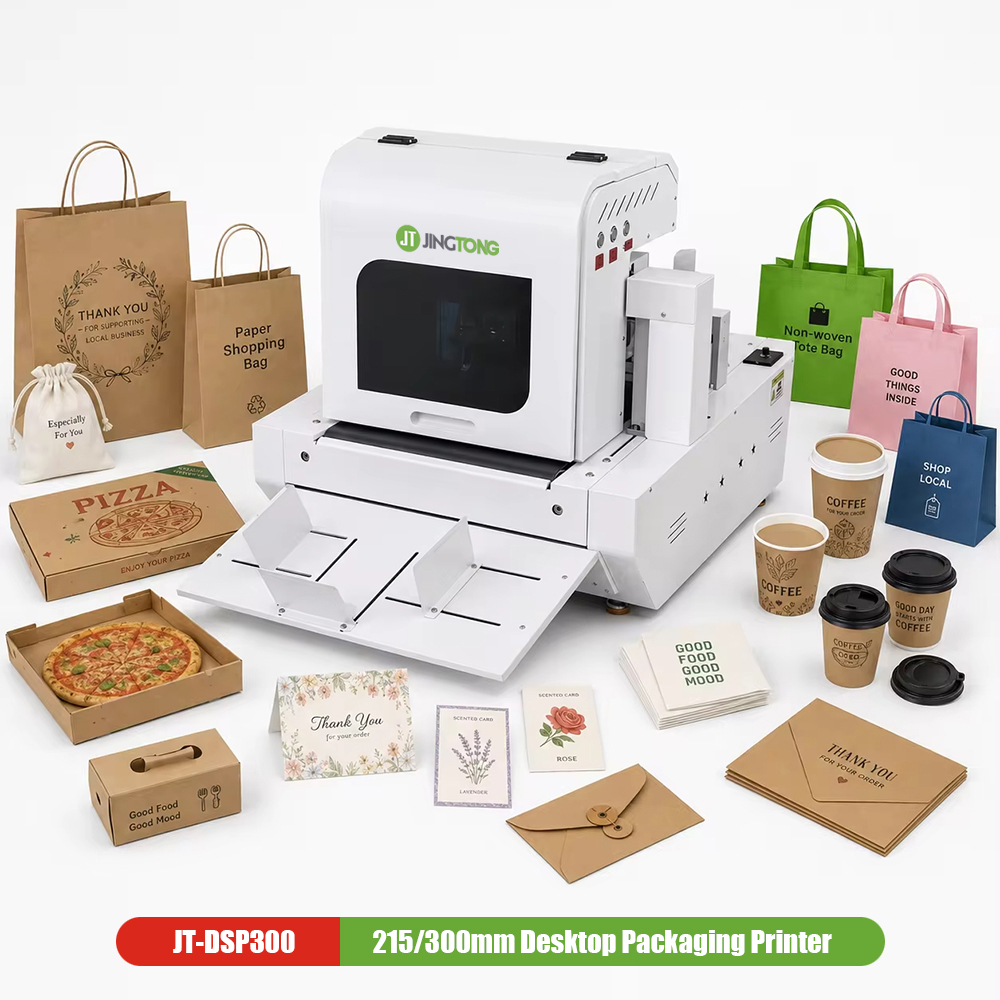
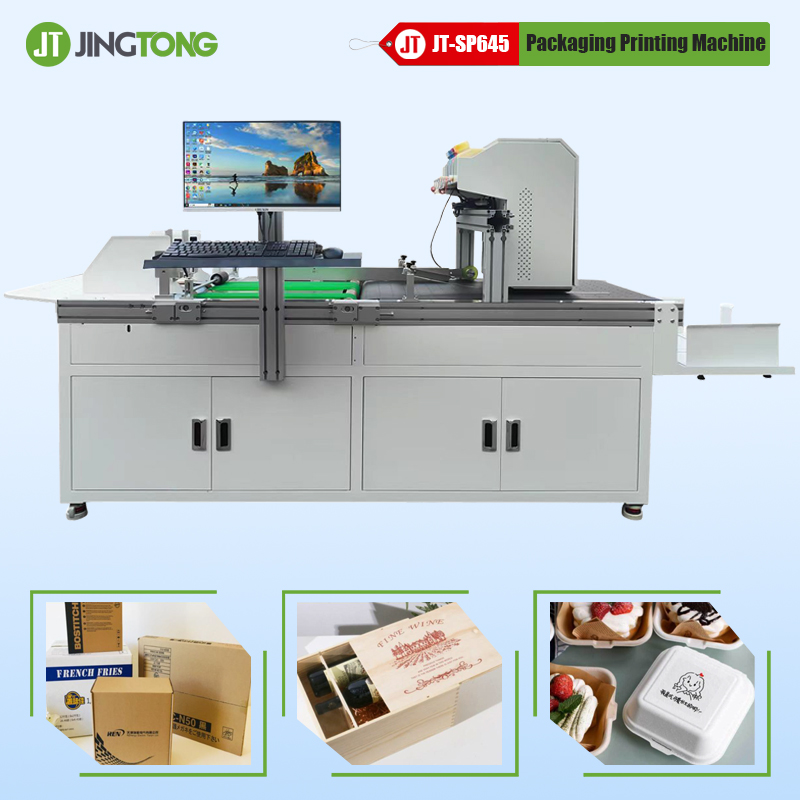
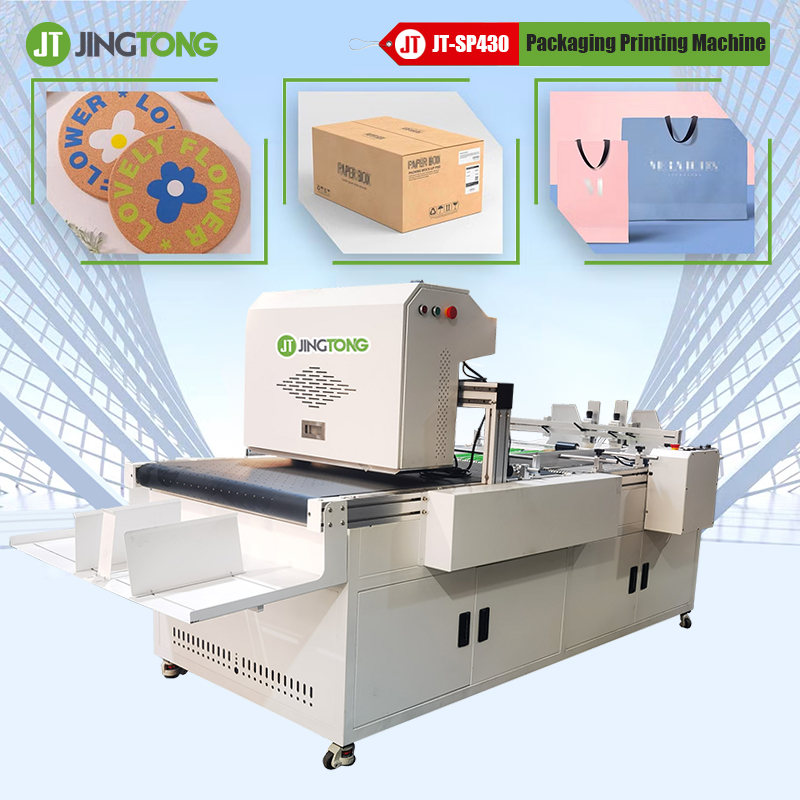
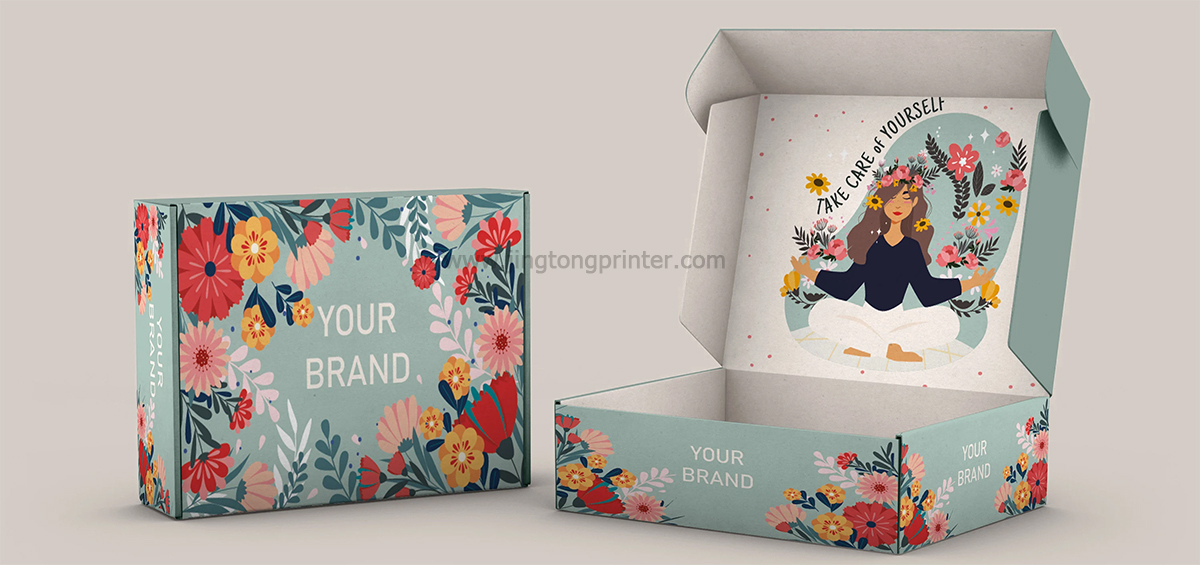
Corrugated Boxes: digital inkjet printing can produce logos, product graphics, shipping information and customized designs directly on suitable corrugated board.
Kraft Paper Packaging: Kraft paper bags, cartons and wrapping materials can be printed with customized graphics. Because natural kraft paper has a brown and absorbent surface, color settings may need adjustment.
Paperboard Cartons: digital printing supports short-run product cartons, promotional packaging and multiple artwork versions.
Customized Paper Bags: Different designs and brand graphics can be produced through a digital workflow without conventional printing plates.
Important Factors Affecting Print Quality
Paper Absorption and Surface Quality
Different paper materials absorb ink at different rates. Highly absorbent paper may cause ink spreading, reduced color density or blurred fine details. Coated paper generally provides a different ink-receiving surface from uncoated kraft paper.
Ink Compatibility
Water-based ink formulations must match the printhead technology and substrate requirements. Pigment type, resin composition and surface properties all influence color reproduction, adhesion and durability.
Drying Performance
Water-based inks require sufficient drying conditions. Depending on ink formulation, paper absorption, printing speed and environmental conditions, additional heat or airflow may be necessary.
Insufficient drying can lead to smearing, ink transfer and sticking when printed materials are stacked too early.
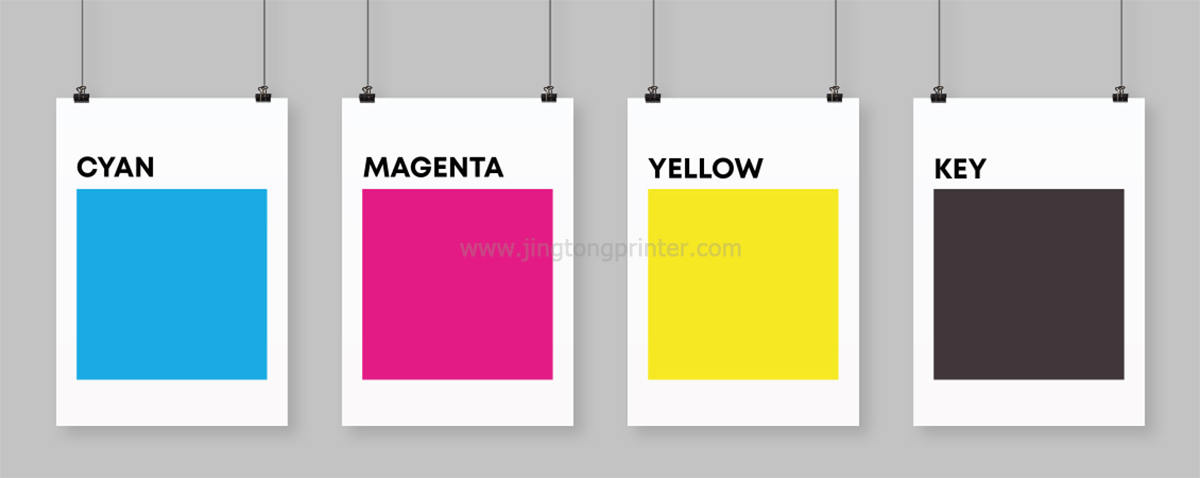
Color Management
Natural kraft paper and other colored substrates affect the appearance of printed colors. Manufacturers should evaluate color profiles and print samples using the actual production material rather than relying only on screen previews.
Water-Based Inkjet Printing vs. Conventional Printing
Traditional flexographic and offset printing remain widely used in paper packaging production, particularly for established high-volume orders.
Digital Inkjet Printing offers a different production approach. It transfers artwork directly from digital files without requiring conventional printing plates, making it easier to handle frequent design changes and smaller batches.
For manufacturers producing multiple packaging designs, digital printing can simplify job preparation and reduce plate-related setup requirements.
Single-pass inkjet systems can further support continuous industrial production by keeping the printheads stationary while the paper material moves through the printing area.
The most suitable technology depends on production volume, material compatibility, image requirements and overall workflow.
How to Achieve Consistent Water-Based Inkjet Printing
Manufacturers should evaluate the complete printing process rather than focusing only on ink selection.
● Select paper materials compatible with the printer and ink formulation.
● Test ink absorption and adhesion before production.
● Adjust print settings according to substrate characteristics.
● Ensure sufficient drying time and suitable airflow.
● Monitor color consistency across different material batches.
● Inspect printed samples for smearing, rub resistance and image clarity.
For food-related packaging, ink suitability and regulatory compliance must also be evaluated according to the intended application, including whether direct food contact is possible. Water-based ink alone does not automatically make packaging food-safe.
Final Thoughts
Water-based inkjet printing provides a flexible solution for customized paper packaging, including corrugated boxes, kraft paper products and paperboard cartons.
Its performance depends on the relationship between ink formulation, printhead technology, paper characteristics and drying conditions. By matching these factors with suitable digital printing equipment, manufacturers can achieve more consistent results and support flexible packaging production.
get latest company news
Scan To Wechat