


register for newsletter
get latest company news
+86 13113657186



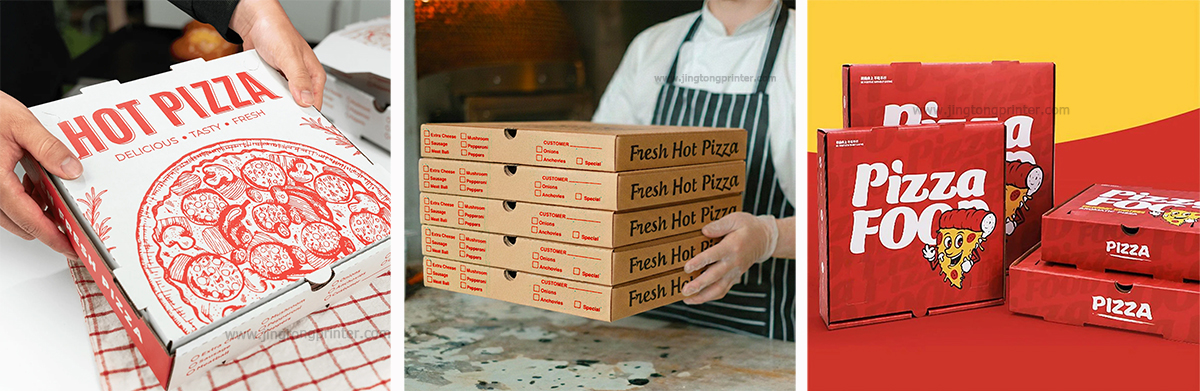
Pizza boxes are an important part of takeaway and food delivery packaging. Besides protecting pizzas during transportation, printed boxes help restaurants promote their brands, display product information and create a recognizable customer experience.
As restaurants increasingly request customized packaging, printing flexibility has become an important consideration for packaging manufacturers. Digital inkjet printing offers an alternative to conventional methods, especially for short-run orders, seasonal promotions and multiple packaging designs.
Common Pizza Box Printing Methods
Pizza boxes are commonly produced using corrugated board, with different printing technologies available depending on order volume, image requirements and production costs.
Flexographic Printing
Flexographic printing transfers ink onto corrugated board using flexible printing plates. It is widely used for large-volume pizza box production because of its efficient production workflow.
It is suitable for logos, text and relatively simple graphics. However, preparing plates for different designs can increase setup requirements when customers frequently change their artwork.
Offset Printing
Offset printing is often used for premium pizza packaging. Graphics are printed onto a separate paper sheet, which is then laminated onto corrugated board.
This method supports detailed images, smooth color transitions and high-quality graphics. However, the additional lamination process and plate preparation can make it less flexible for smaller orders.
digital inkjet Printing
Digital Inkjet Printing applies graphics directly onto suitable paper-based packaging materials using digital printheads. It does not require conventional printing plates for each new design.
This makes it practical for customized pizza boxes, short production runs and orders involving different artwork versions. Manufacturers can change designs through digital files instead of preparing new physical plates.
Why Use digital printing for Customized Pizza Boxes?
Digital printing offers several advantages for packaging manufacturers serving restaurants, food brands and takeaway businesses.
Flexible Small-Batch Production
Independent restaurants and local food businesses may not need large quantities of identical boxes. Digital printing makes it easier to handle smaller orders without conventional plate preparation.
Multiple Design Options
Different restaurant logos, promotional graphics and seasonal designs can be produced within the same digital workflow. This is useful for packaging suppliers serving multiple customers.
Variable Data Printing
Depending on the printer and software configuration, digital systems can support variable information such as QR codes, promotional messages, store details and campaign graphics.
Reduced Preprinted Inventory
Manufacturers can print suitable blank packaging materials according to customer orders rather than maintaining large stocks of preprinted designs. This can help reduce inventory requirements when packaging designs change frequently.
Materials Used for Pizza Box Printing
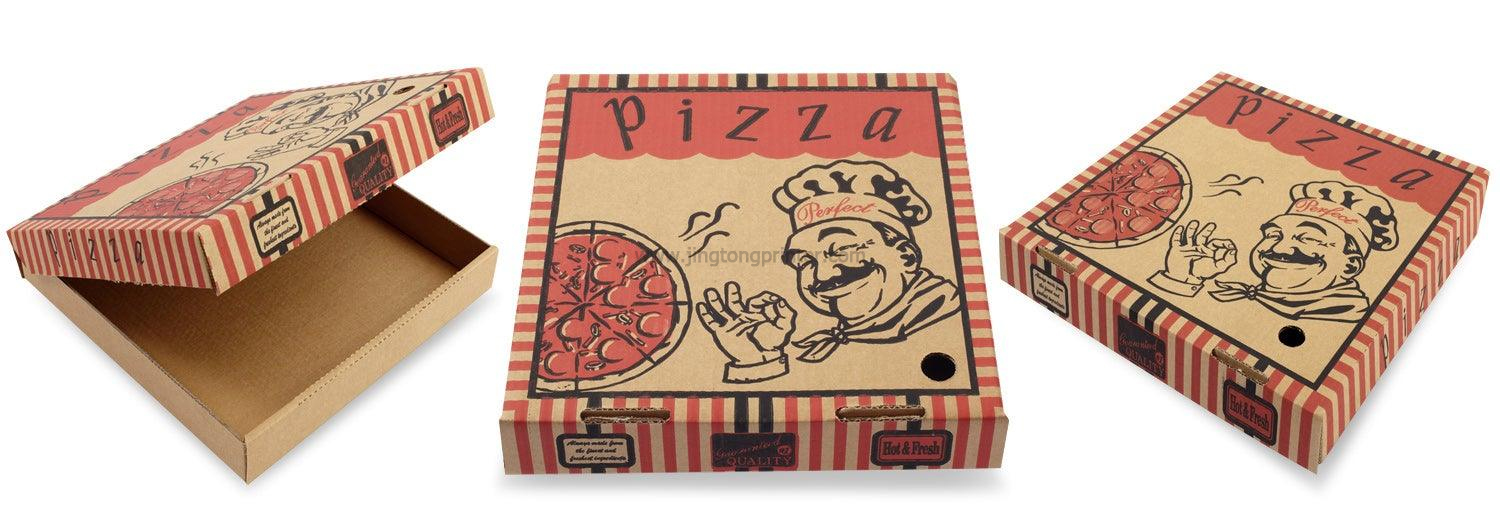
Corrugated board is commonly used for pizza boxes because its fluted structure provides cushioning and rigidity while remaining relatively lightweight.
E-flute and B-flute are two common options, although the appropriate material depends on box dimensions, product weight and packaging requirements.
Kraft paper liners provide a natural brown appearance and are widely used for simple branded packaging. White liners offer a lighter printing surface and can support more colorful graphics.
When selecting materials for digital printing, manufacturers should consider surface smoothness, ink absorption, moisture resistance and board thickness. These factors affect image quality, ink adhesion and material handling.
Important Considerations for Printing Pizza Boxes
Printing on corrugated pizza boxes requires attention to both visual quality and packaging performance.
● Print Quality: Fine text, logos and promotional graphics should remain clear on the selected board surface.
● Color Management: Kraft and white liners produce different color results, so artwork and print settings should be tested on the actual material.
● Material Feeding: Corrugated sheets may vary in thickness and flatness. The printer should support the required board dimensions and feeding conditions.
● Drying Performance: Ink must dry sufficiently before printed sheets are stacked or sent to further processing.
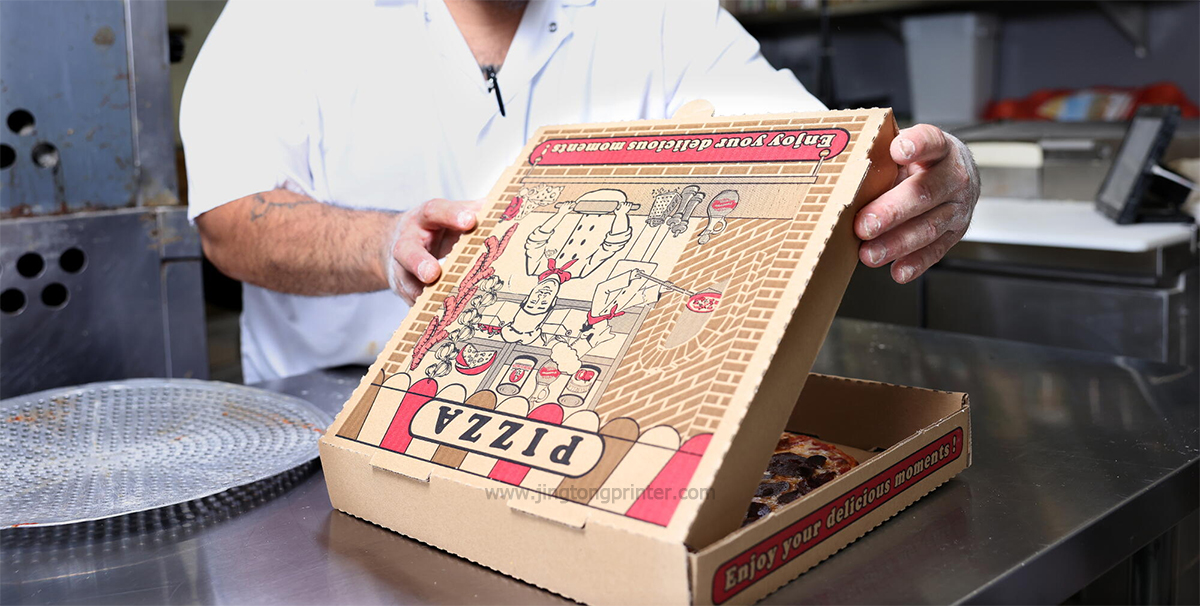
● Box Construction: Printed graphics should be positioned correctly around folding lines, locking tabs and ventilation openings.
Food packaging also requires special attention to ink suitability. Ink used on the exterior of a pizza box should not automatically be assumed suitable for direct food contact. The complete packaging design, including substrate, coatings, barriers and intended use, must be evaluated against applicable food-contact requirements.
Digital Pizza Box Printing Production Process
A typical digital printing workflow starts with preparing the artwork according to the pizza box dimensions and dieline.
The selected corrugated sheets are then fed into the printer, where digital printheads apply the graphics directly onto the material. After printing and drying, the sheets can proceed to die-cutting, creasing, folding and gluing to form finished pizza boxes.
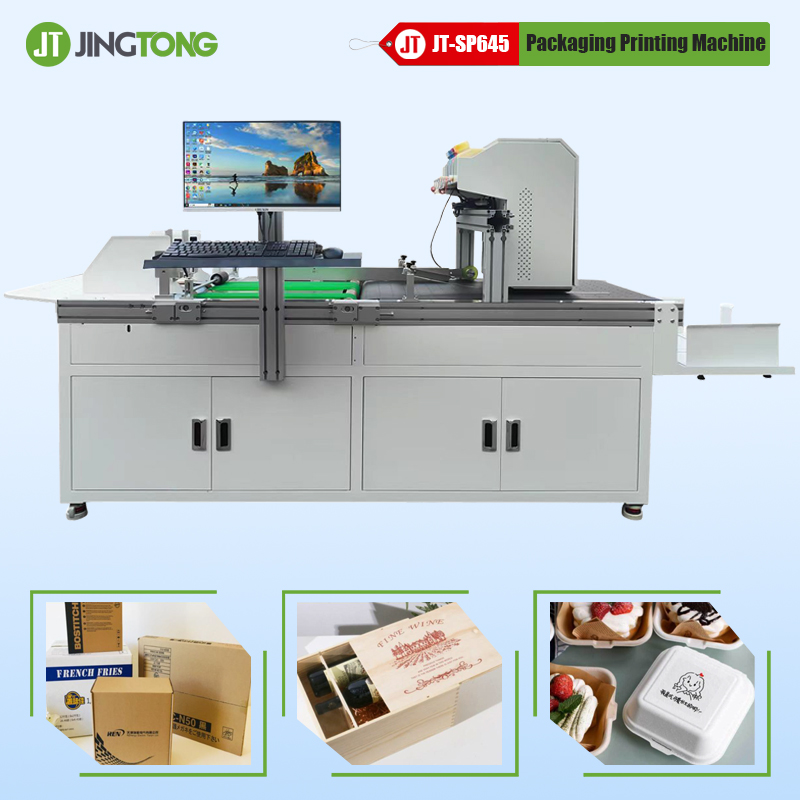
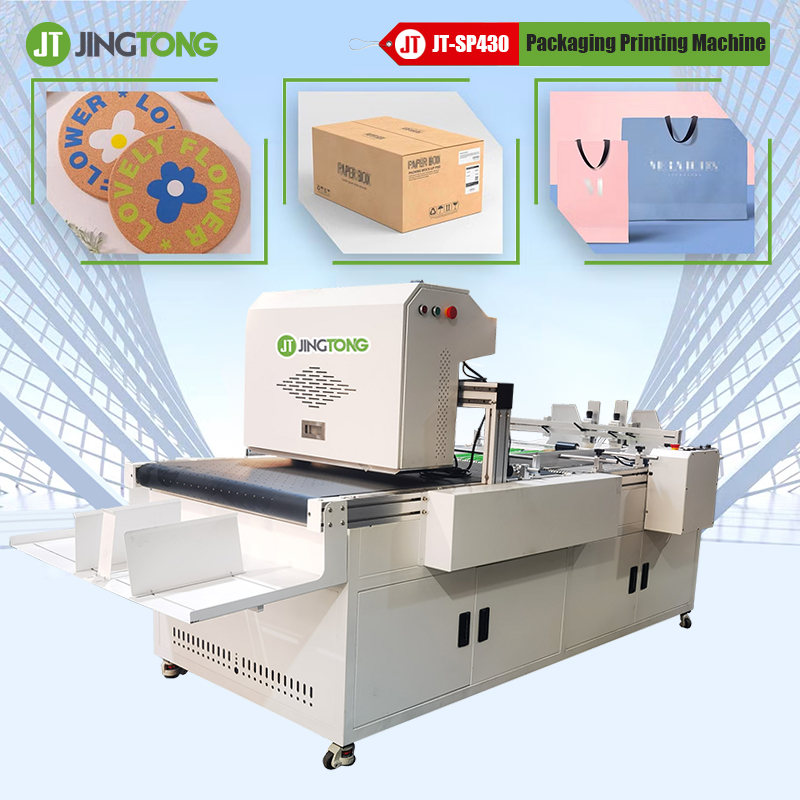
For packaging manufacturers handling larger production requirements, single-pass Inkjet Printers can provide continuous printing. Fixed printheads cover the printing width while the material moves through the machine, allowing the image to be completed in one pass.
The suitable configuration depends on board specifications, printing width, required output and ink system.
Choosing the Right Pizza Box Printing Solution
The best printing technology depends on the type of customers and orders a packaging manufacturer serves.
Flexographic printing is suitable for repeat orders with large quantities and relatively stable artwork. Offset printing is appropriate for premium packaging that requires detailed graphics and additional finishing.
Digital inkjet printing is a practical option for manufacturers handling customized designs, smaller batches and frequent artwork changes. Before selecting equipment, manufacturers should evaluate printing width, supported board thickness, printhead configuration, ink compatibility and production capacity.
Testing actual pizza box materials is recommended to confirm print quality and feeding performance before starting regular production.
Final Thoughts
Pizza box printing combines packaging functionality with brand presentation. As restaurants and food businesses seek more customized packaging, digital inkjet printing provides a flexible way to produce different designs and smaller orders.
For packaging manufacturers, matching the printing technology with corrugated board characteristics, production volume and customer requirements is essential for building an efficient customized food packaging workflow.
get latest company news
Scan To Wechat