









register for newsletter
get latest company news
+86 13113657186



Substrate thickness is an important factor in industrial inkjet printing. When printing on paper, cardboard or corrugated board, differences in material thickness can affect how the substrate moves through the printer, how much clearance is needed between the printhead and the material, and how consistently the image is reproduced.
Understanding these effects helps printing businesses select suitable materials and configure their equipment for stable production.
Printhead Clearance and Printing Accuracy
One of the most direct effects of substrate thickness is its influence on the distance between the printhead and the printing surface, commonly called the printhead gap.
Thicker materials require sufficient clearance to pass safely beneath the printhead. However, increasing this distance too much can reduce printing accuracy. Ink droplets travel farther before reaching the substrate, making their landing positions more sensitive to airflow and other disturbances.
If the gap is too small, uneven surfaces, raised edges or material movement may cause the substrate to strike the printhead. This can damage the printhead and interrupt production.
For this reason, the printing gap should be adjusted according to the actual material thickness, surface condition and printer design.
Material Feeding and Transport Stability
Substrate thickness also affects the feeding system. Thin paper is generally more flexible, while thick paperboard and corrugated board are more rigid and may require different feeding and support arrangements.
When material thickness varies across a sheet or between batches, the substrate may not travel at a consistent height. Warped edges, uneven board surfaces and changes in material stiffness can further affect transport stability.
These issues may lead to:
● Uneven printhead clearance
● Paper jams or feeding interruptions
● Image distortion or inconsistent positioning
● Increased risk of printhead contact
A suitable feeding mechanism, stable material support and proper alignment are therefore essential when printing on different board thicknesses.

Effects on Print Quality
Thickness does not directly determine how ink is absorbed, but it can indirectly influence print quality through changes in substrate position and transport.
If the material moves unevenly or the distance from the printhead changes during printing, ink droplets may land in slightly different positions. This can affect image sharpness, color consistency and registration.
For corrugated board, the surface itself also matters. Flute structure, surface flatness, paper coating and absorbency can influence how evenly ink spreads and dries. A thicker board is not necessarily more difficult to print; its suitability depends on both its physical structure and the printer's capabilities.
Choosing the Right Printer for Different Thicknesses
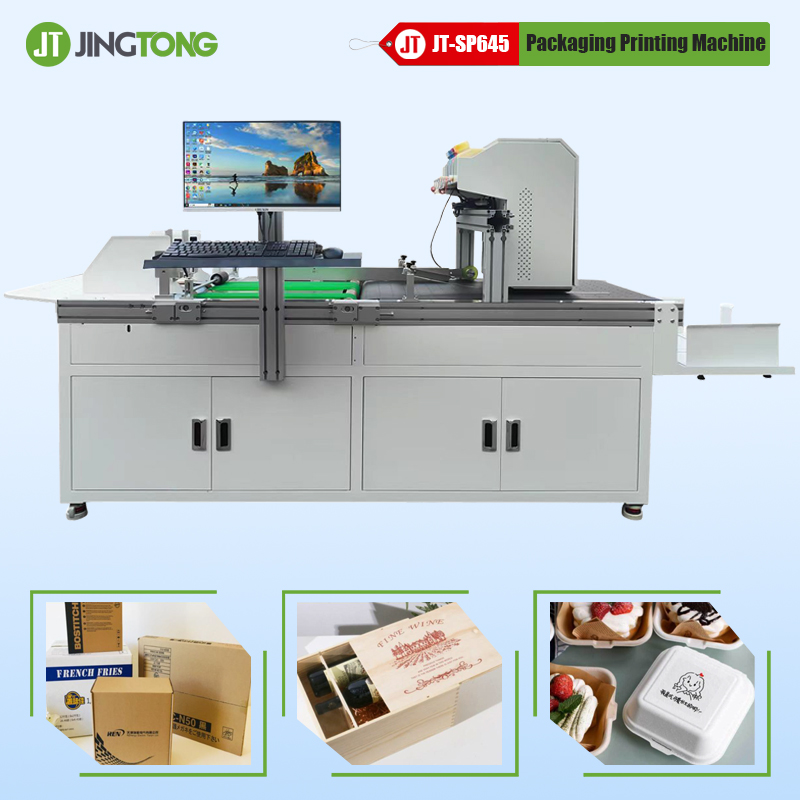
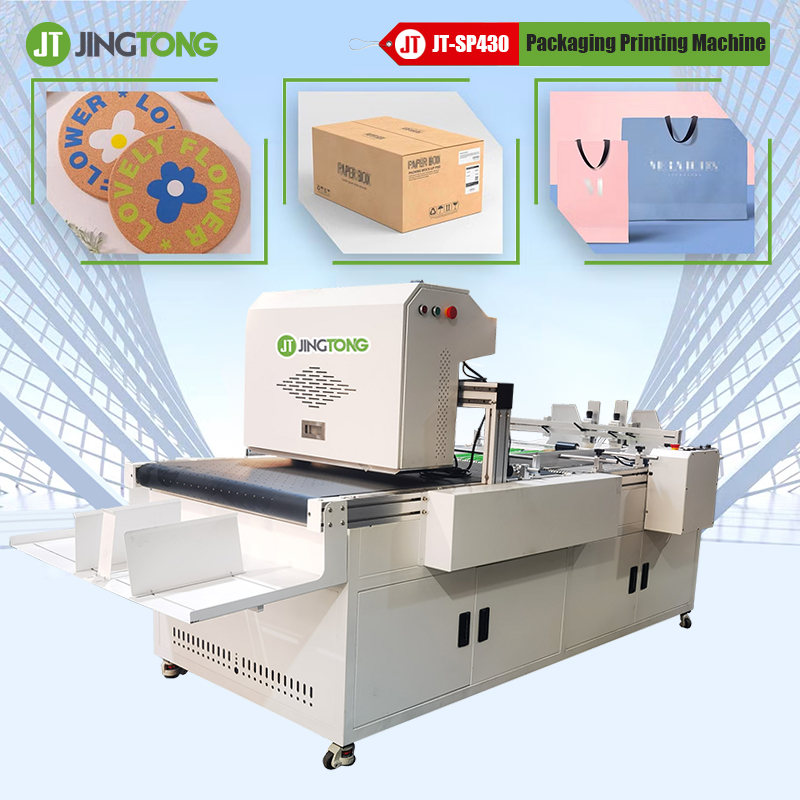
When selecting an Inkjet Printer for packaging production, buyers should consider more than the maximum printable thickness.
Important specifications include:
● Maximum media thickness: The supported material thickness range should match the intended applications.
● Printhead height adjustment: The printer should provide an appropriate way to set the printhead gap for different materials.
● Feeding system: The feeding mechanism should support the material's weight, rigidity and dimensions.
● Material support: The transport platform should help maintain a stable printing surface.
● Printing speed: The equipment should maintain consistent material movement at the required production speed.
For businesses printing on corrugated boxes, cartons and other paper-based packaging, these factors are particularly important when switching between different board specifications.
Testing Before Production
Before starting a new printing job, measure the actual substrate thickness rather than relying only on its nominal specification. Material thickness can vary between suppliers, batches and sections of the same board.
It is also useful to check surface flatness, edge condition and feeding stability. Run test prints at the intended production settings and inspect image sharpness, color uniformity and registration.
For high-speed single-pass inkjet systems, consistent substrate movement and a stable printhead gap are especially important because the material passes the printhead only once.
Conclusion
Substrate thickness affects inkjet printing mainly through printhead clearance, material feeding and transport stability. Selecting a printer with a suitable media thickness range and a stable feeding system helps reduce printing interruptions and maintain consistent output.
For packaging applications, the best results come from considering thickness together with board structure, surface properties, ink compatibility and the printer's actual operating requirements.
get latest company news
Scan To Wechat