


register for newsletter
get latest company news
+86 13113657186



Packaging production is no longer limited to large orders with fixed designs. As brands introduce more product variations, launch seasonal campaigns and test new products, the demand for short-run packaging continues to grow.
Traditional printing methods remain effective for large-volume production, but their setup requirements can make small orders less economical. Digital inkjet printing offers a more flexible approach by transferring artwork directly from digital files to the printing substrate, reducing the need for conventional printing plates.
Reduced Setup Time for Small Orders
One of the biggest advantages of digital inkjet printing is its simplified job preparation process.
Traditional flexographic printing generally requires printing plates, plate mounting, ink preparation and registration adjustments before production. These steps can take considerable time, particularly when an order involves several different designs.
Digital Inkjet Printing removes the need for conventional printing plates. Operators can prepare artwork digitally and switch between jobs with fewer mechanical setup procedures.
This makes it easier to handle small orders, repeat orders with updated designs and packaging samples without repeating the entire plate-making process.
More Flexibility for Multiple Designs and SKUs
Modern brands often need different packaging designs for product sizes, flavors, regions and promotional campaigns. Producing every variation through traditional printing can increase preparation costs and create additional inventory.
Digital inkjet technology makes it easier to print multiple designs within a production schedule. Artwork can be changed through digital files rather than manufacturing new plates for each version.
For packaging manufacturers, this creates opportunities to produce:
● Different designs for multiple SKUs
● Regional packaging with different languages
● Seasonal and promotional packaging
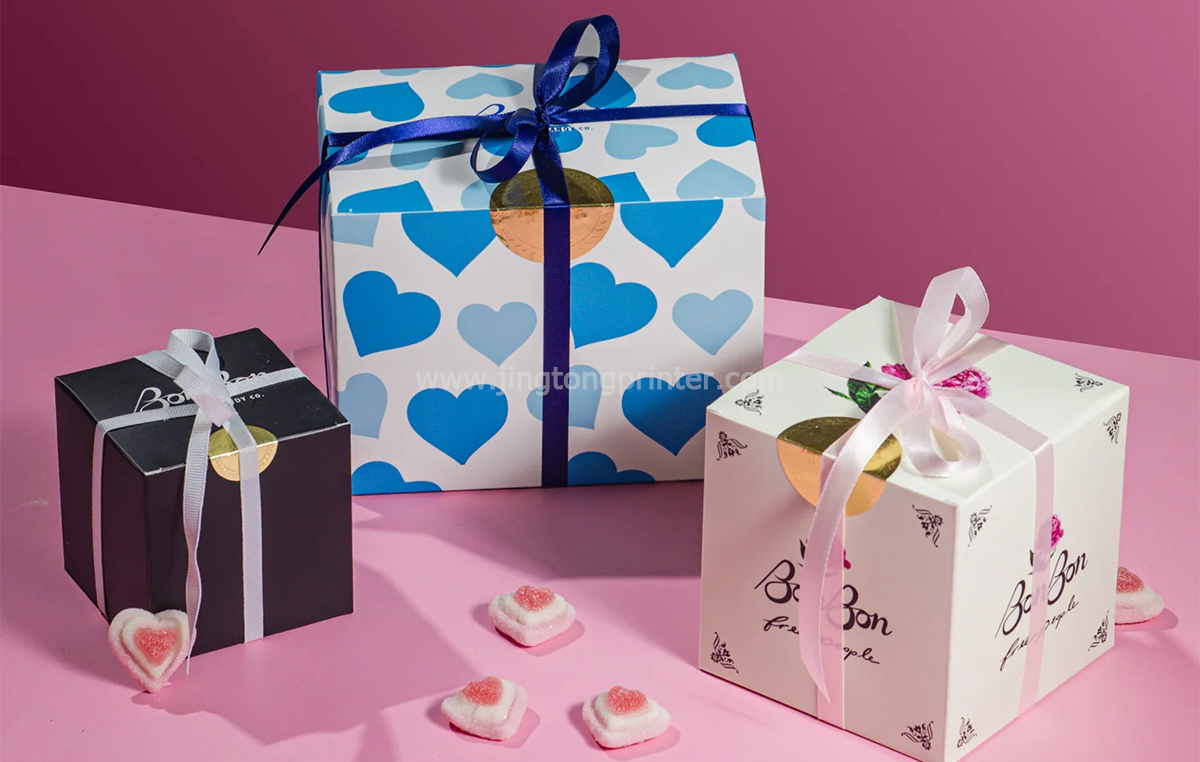
● Customized graphics for individual customers
● Small batches for product launches and market testing
Variable data printing can also be used for unique codes, product information and other changing content, depending on the printer and workflow.
On-Demand Production and Inventory Management
Short-run digital printing supports a more flexible approach to packaging inventory.
Instead of producing large quantities of packaging in advance, businesses can manufacture smaller batches according to actual demand. This can reduce the need to store excessive quantities of printed boxes and help avoid obsolete packaging when product information or designs change.
For small brands and businesses with frequently changing products, on-demand production also makes it easier to test new packaging concepts before committing to larger orders.
However, the actual cost advantage depends on order volume, substrate costs, ink consumption, finishing requirements and equipment utilization.
Applications in Corrugated and Paper Packaging
Digital inkjet printing is particularly useful for short-run packaging applications where design flexibility and quick turnaround are important.
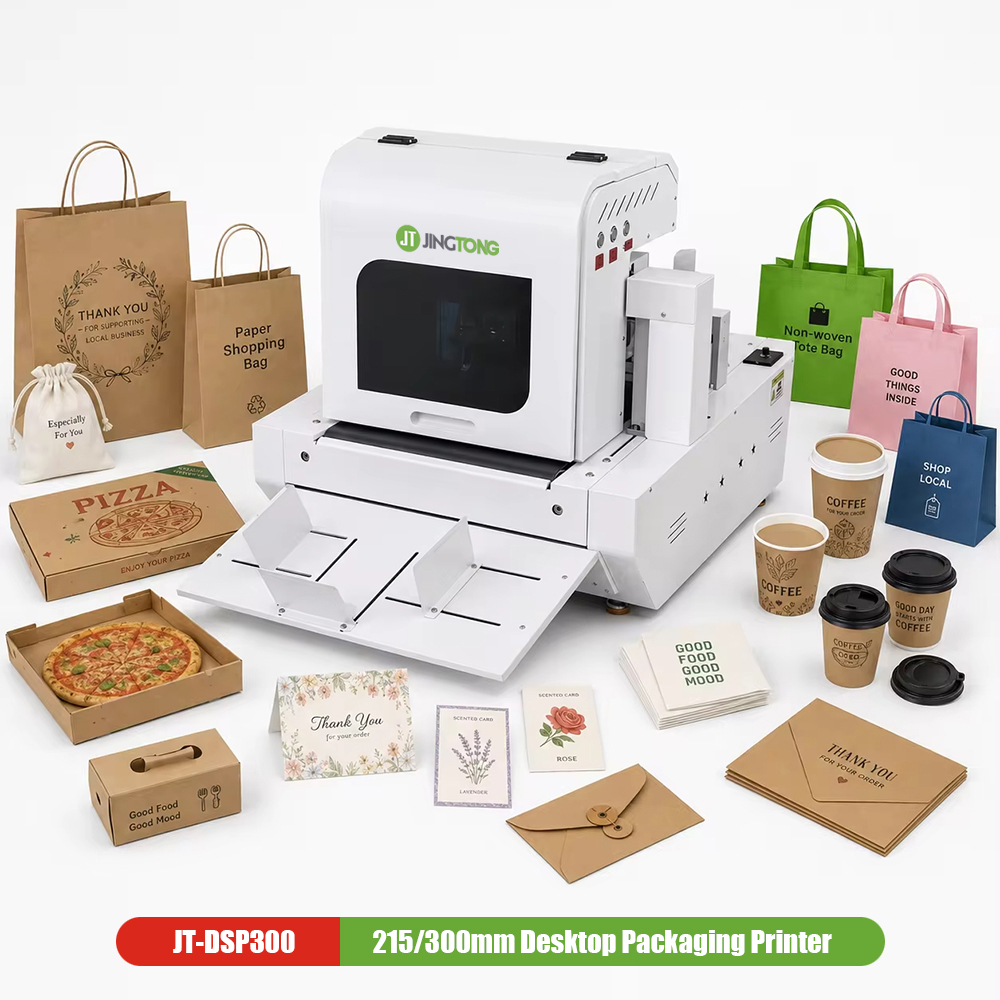
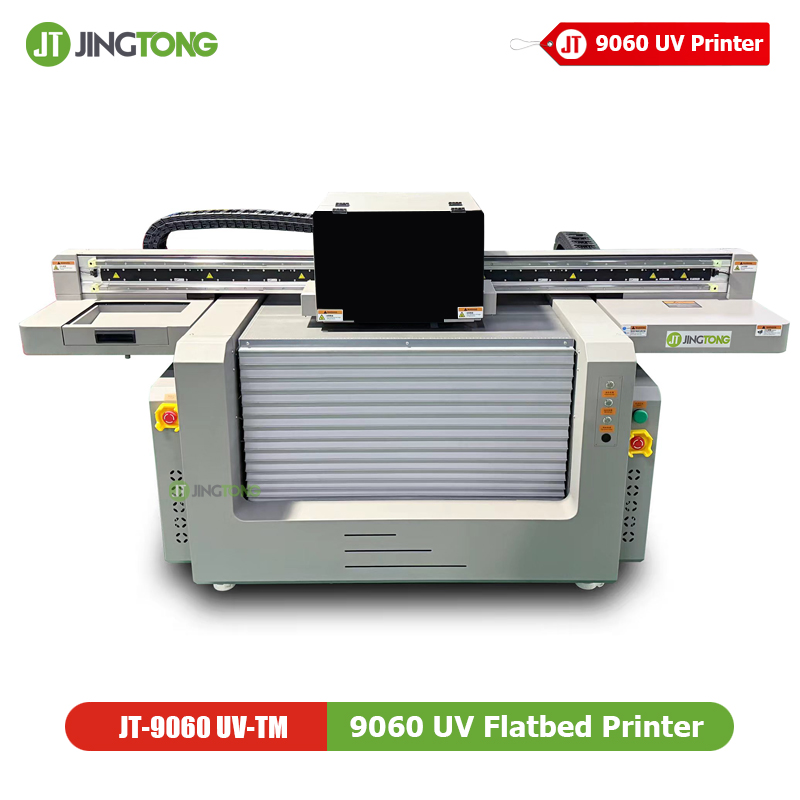
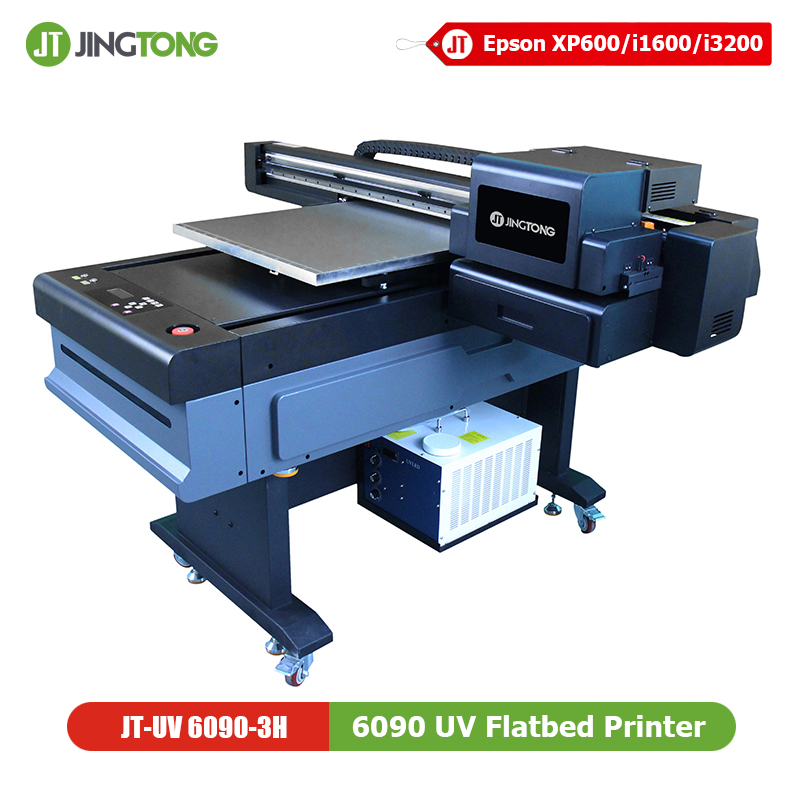
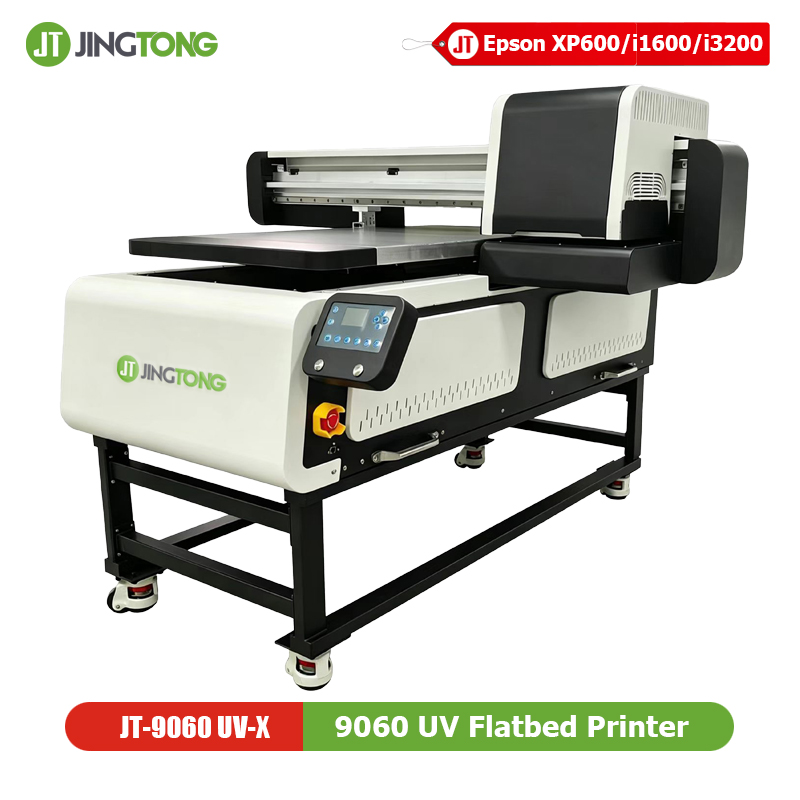
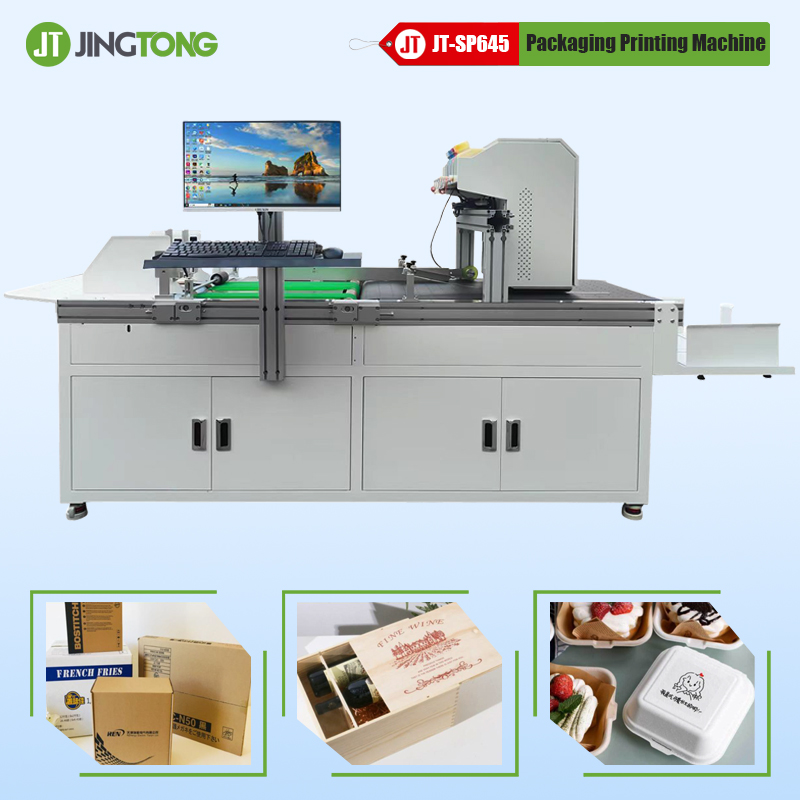
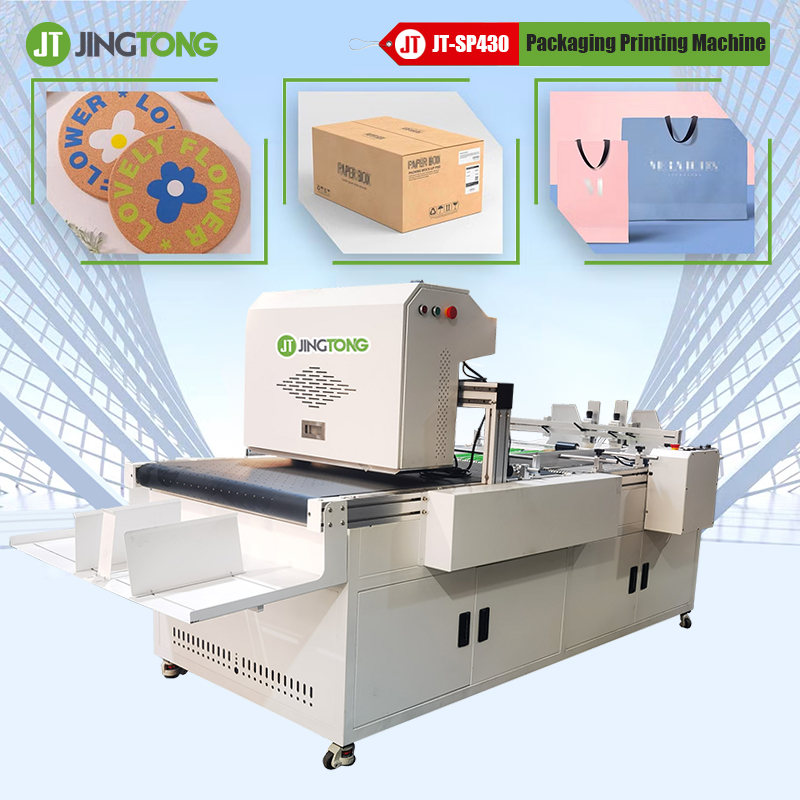
For Corrugated Packaging, digital printers can print graphics directly onto suitable corrugated sheets or other compatible board materials. Applications include e-commerce boxes, product shipping cartons, retail displays and customized packaging.
For paperboard and other paper-based materials, digital inkjet systems can support customized cartons, promotional packaging and small-batch packaging projects.
Before production, manufacturers should check substrate thickness, surface flatness, ink compatibility, absorption and drying conditions. These factors influence feeding stability and final print quality.
Digital Inkjet vs. Traditional Printing
Digital inkjet and traditional printing technologies serve different production requirements.
Digital inkjet is generally more suitable for short runs, frequent artwork changes, prototypes and multiple design versions. Its reduced setup requirements make it easier to manage jobs that would otherwise involve repeated plate preparation.
Flexographic and offset printing can remain more economical for large, standardized orders because their production costs per unit can decrease as quantities increase.
For many packaging manufacturers, the practical solution is not to replace traditional printing completely, but to combine different technologies according to order size, design complexity and delivery requirements.
Choosing a digital packaging printer
When investing in a digital inkjet packaging printer, businesses should consider more than its printing speed.
Important factors include the maximum printable material size and thickness, supported substrate types, feeding stability, print resolution, ink compatibility and production workflow.
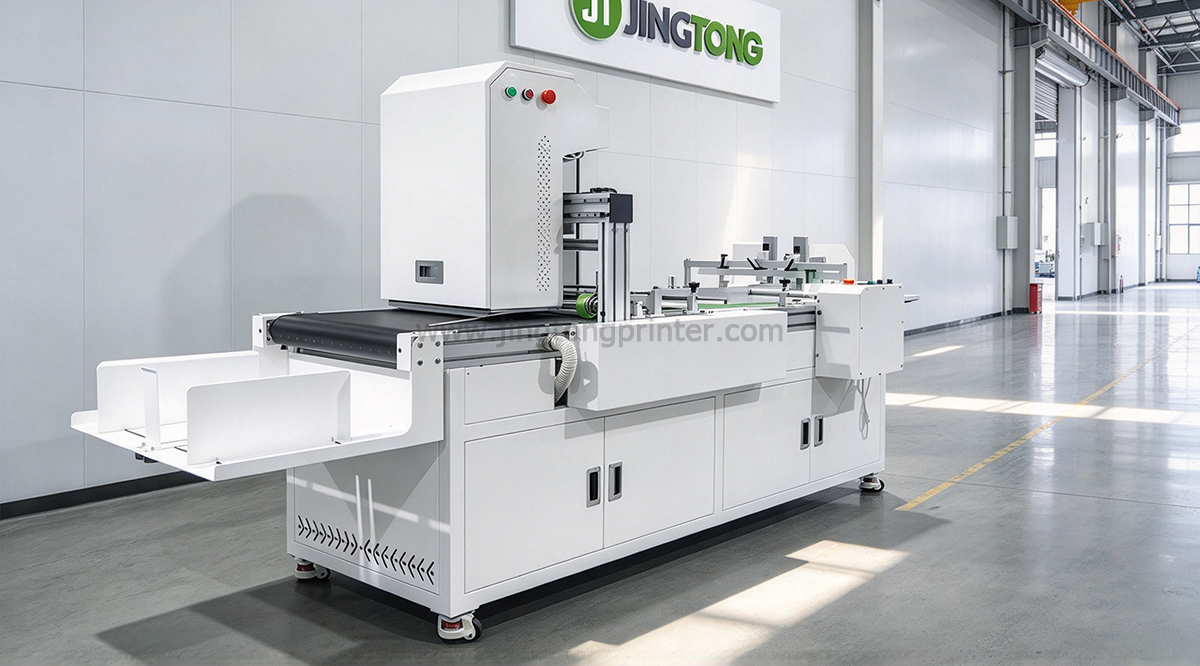
For businesses handling frequent short-run corrugated packaging orders, a suitable digital packaging printer can help simplify job changes and expand the range of orders they can accept.
Single-pass inkjet systems are worth considering when higher production throughput is required, while multi-pass systems can be suitable for sampling, customized work and smaller production batches. The right choice depends on the expected order volume and actual production requirements.
Conclusion
Digital inkjet printing is changing short-run packaging production by reducing conventional setup requirements and making multiple designs, customized graphics and on-demand manufacturing more practical.
For packaging manufacturers, these capabilities provide greater flexibility when serving customers with smaller orders and frequently changing designs. By choosing equipment that matches their materials, order sizes and production goals, businesses can build a more adaptable packaging workflow.
get latest company news
Scan To Wechat