





register for newsletter
get latest company news
+86 13113657186



In industrial packaging printing, printing quality depends not only on the printhead and ink system but also on how consistently the material enters and moves through the printer. Manual loading may be sufficient for small jobs, but it can become a bottleneck when production volumes increase.
Automatic Feeding Systems help packaging printers handle materials more consistently, reduce manual intervention and maintain a stable production workflow. They are particularly important for digital inkjet printers processing corrugated board, paperboard and other sheet materials.
How Automatic Feeding Systems Work
An automatic feeding system transfers materials from a stack or loading area into the printer at a controlled speed and position.
A typical sheet-feeding process includes several stages:
● Material loading: Sheets or boards are placed on the feeding platform or loading section.
● Sheet separation: The system separates individual sheets or prepares them for continuous feeding.
● Alignment: Guides, sensors or positioning mechanisms help maintain the correct feeding position.
● Conveying: Belts, rollers or vacuum systems transport the material toward the printing section.
● Synchronization: The feeding speed and timing are coordinated with the printer to maintain consistent spacing and positioning.
The specific configuration depends on the material, printer structure and production requirements.
Common Types of Feeding Systems
Different materials require different feeding methods. There is no single feeder design suitable for every packaging application.
Friction Feeding
Friction feeders use belts or rollers to separate and move individual sheets from a stack. They are commonly used for relatively flat paper sheets, paperboard and other materials with suitable surface friction.
Their relatively simple structure makes them useful for applications requiring individual sheet feeding. However, material thickness, surface texture and friction characteristics can affect feeding performance.
Vacuum Feeding
Vacuum feeding uses suction to pick up and transport sheets. It can be useful for materials that are difficult to separate through friction alone, including certain coated or smooth surfaces.
The vacuum level and suction arrangement need to match the material's weight, porosity and surface characteristics.
Automatic Pre-Feeding Systems
For larger Corrugated Packaging production lines, an automatic pre-feeder handles stacks of boards and transfers them toward the printer in a controlled sequence.
These systems may include lifting platforms, automatic alignment mechanisms and conveyor belts. They reduce repeated manual loading and help maintain a more continuous supply of corrugated sheets.
Unlike a compact single-sheet feeder, a pre-feeder is generally designed as part of a larger production line.

Benefits for Industrial Packaging Printing
More Consistent Material Feeding
Stable feeding helps maintain consistent sheet positioning as materials enter the printing section. This is important for image registration, printhead clearance and repeatable print results.
Reduced Manual Handling
Automatic loading and conveying reduce the amount of manual work required to move materials into the printer. Operators can focus more on monitoring production and managing print jobs.
Improved Production Continuity
When the feeding system is properly synchronized with the printer, materials can enter the printing section at a more consistent rate. This helps reduce interruptions caused by irregular manual feeding.
Better Support for High-Volume Production
For industrial packaging manufacturers, automatic feeding is an important part of production automation. It helps coordinate material handling with printing and downstream processes such as stacking, cutting and finishing.
Key Factors When Choosing a Feeding System
Before selecting an automatic feeding system, manufacturers should evaluate the materials and production conditions.
● Material thickness and weight: The feeder must support the actual range of paperboard or corrugated board being processed.
● Sheet dimensions: Feeding width and length should match the printer's supported media size.
● Surface characteristics: Smooth, coated, porous or uneven materials may require different separation methods.
● Material flatness: Warped or curled sheets can cause feeding interruptions and positioning problems.
● Production speed: The feeder must match the printer's operating speed without causing irregular spacing or bottlenecks.
● Integration: Sensors, conveyors and control systems should work reliably with the printing equipment.
Testing with actual production materials is recommended, especially when handling different Corrugated Flute Types or board specifications.
Automatic Feeding in Single-Pass Packaging Printing
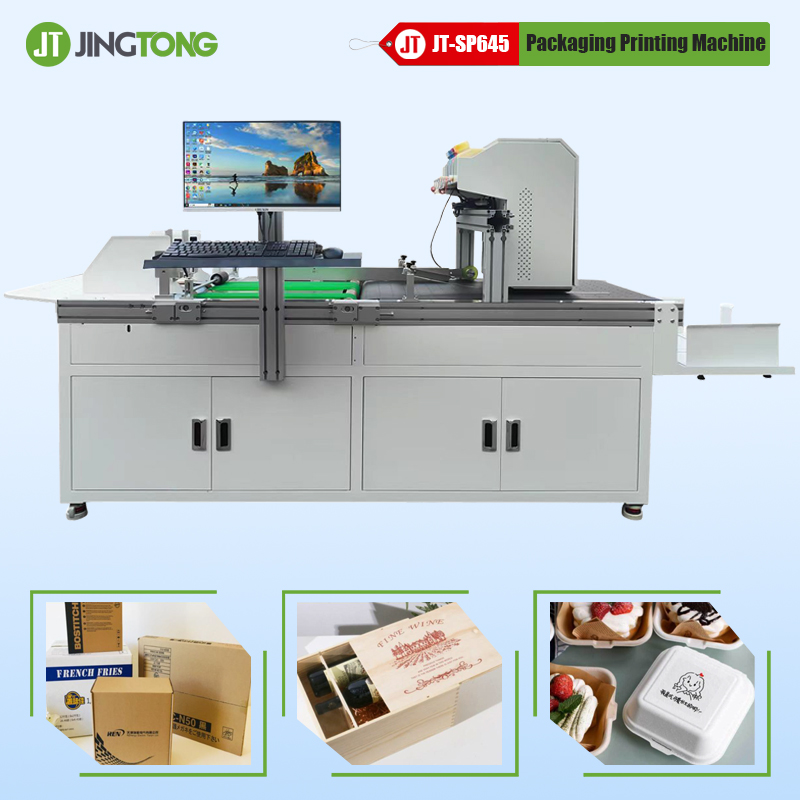
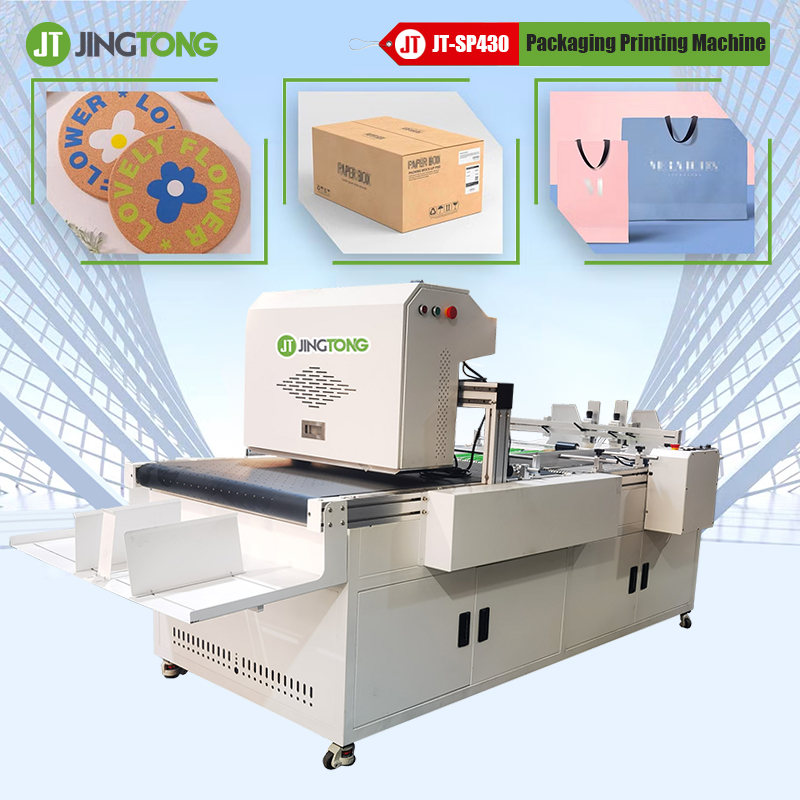
Automatic feeding is particularly important in single-pass inkjet packaging printers. In this configuration, the substrate moves through a fixed printhead array, and the image is produced during one pass.
Because the printing process depends on continuous and accurately controlled material movement, unstable feeding can affect print positioning and production efficiency.
For corrugated board applications, an appropriate automatic feeding system helps deliver sheets to the printing section with consistent alignment and spacing. When combined with suitable material support and an effective output collection system, it contributes to a more integrated packaging production line.
Conclusion
Automatic feeding systems play an essential role in industrial packaging printing by improving material handling, reducing manual intervention and supporting consistent production.
Whether using friction feeding, vacuum feeding or an automatic pre-feeder, manufacturers should select the system according to substrate properties, sheet dimensions and production speed. A well-matched feeding system helps an Industrial Packaging Printer operate more reliably and efficiently.
get latest company news
Scan To Wechat