


register for newsletter
get latest company news
+86 13113657186



Color is one of the most important elements of custom packaging. It helps products stand out, communicates brand identity and creates a consistent visual experience. For packaging manufacturers, CMYK inkjet printing offers a flexible way to reproduce colorful designs directly onto suitable packaging materials.
Understanding how CMYK works, how colors are managed and how substrates affect the final result can help businesses achieve more consistent packaging quality.
What Is CMYK Inkjet Printing?
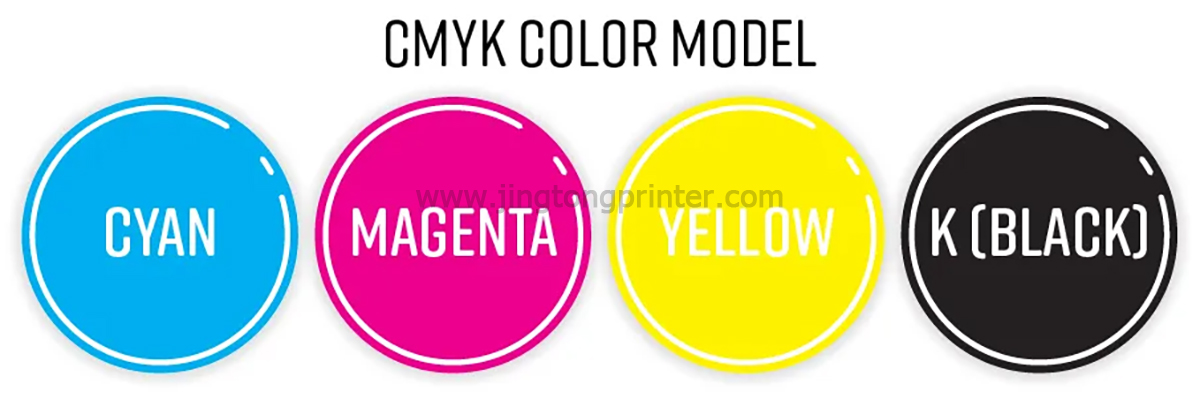
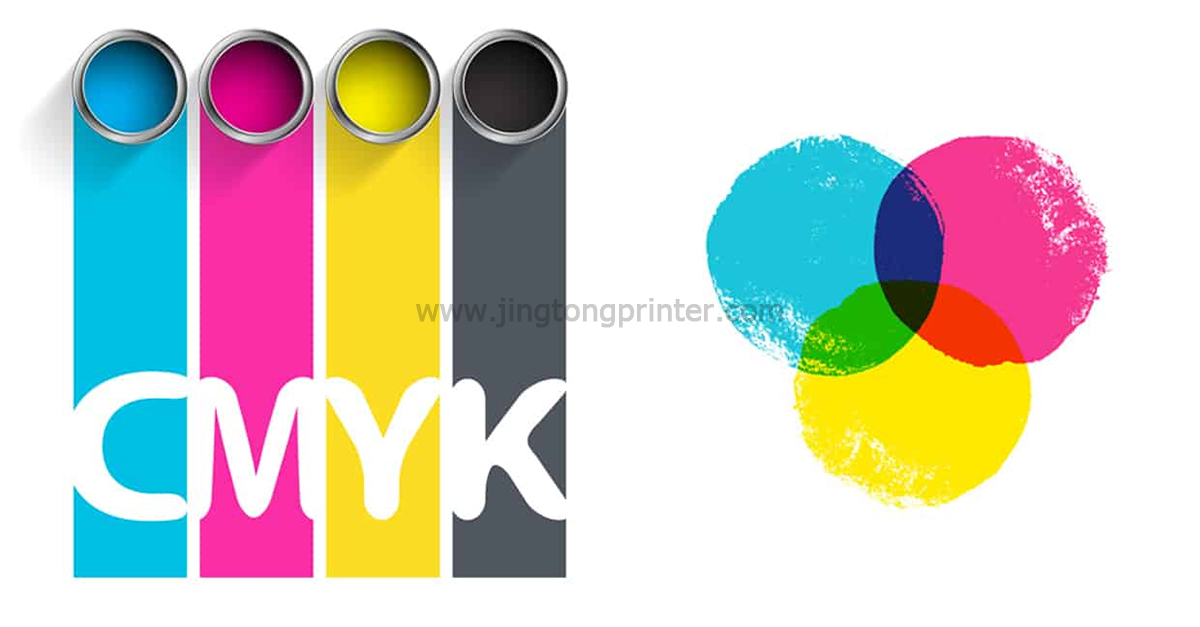
CMYK stands for Cyan, Magenta, Yellow and Key (Black). It is a subtractive color model that combines four basic ink colors to reproduce a wide range of printed images.
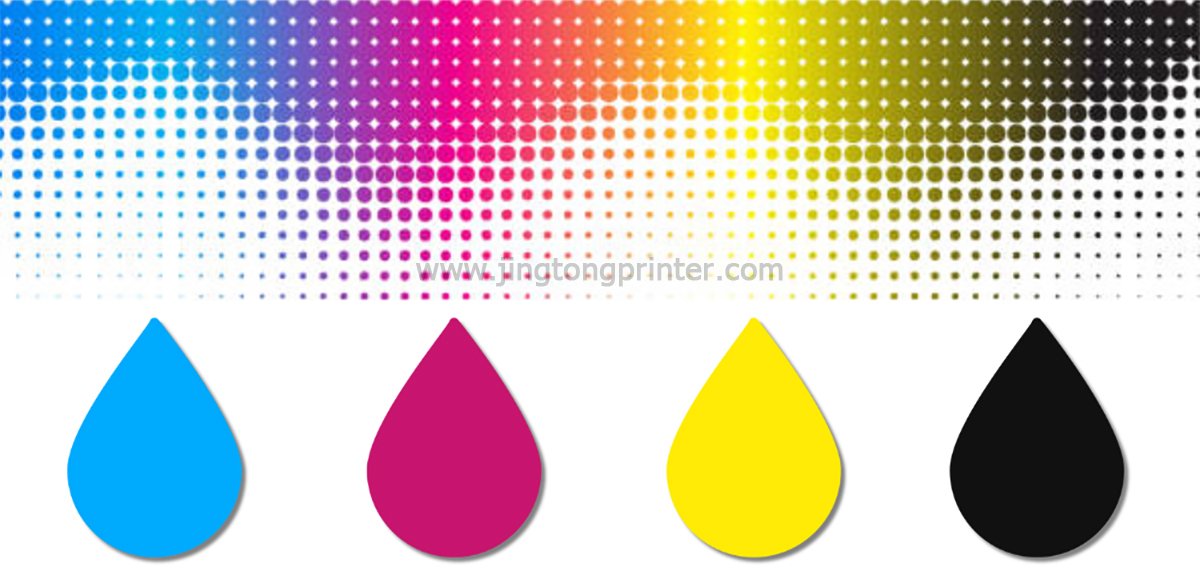
In inkjet printing, the printhead deposits tiny ink droplets onto the substrate according to digital image data. Different combinations and densities of CMYK inks create colors, gradients, photographs and text.
Unlike traditional printing methods that commonly require printing plates, digital inkjet printers transfer artwork directly from digital files to the material. This makes the technology suitable for customized packaging, short-run orders and projects involving frequent design changes.
However, CMYK cannot reproduce every color visible on a computer screen. Some highly saturated colors and specific brand colors may require additional spot colors or a different color reproduction approach.
How CMYK Inkjet Printing Works in Packaging Production
A typical CMYK inkjet printing workflow includes several stages:
Artwork Preparation: Packaging designs are prepared using professional graphic design software. Text, images, colors and layout elements are organized according to the packaging dimensions.
Color Processing: A RIP (Raster Image Processor) converts digital artwork into printing instructions. Color profiles and ink settings help control how the four process colors are reproduced by the printer.
Inkjet Printing: The printhead deposits CMYK ink droplets onto the selected substrate to create the final image.
Drying and Finishing: Depending on the ink and material, the printed packaging may require drying, coating, laminating, cutting or other finishing processes.
Each stage affects the final appearance, so consistent settings and proper material selection are important.
Choosing the Right Substrate and Ink
CMYK printing results depend not only on the artwork but also on the material receiving the ink.
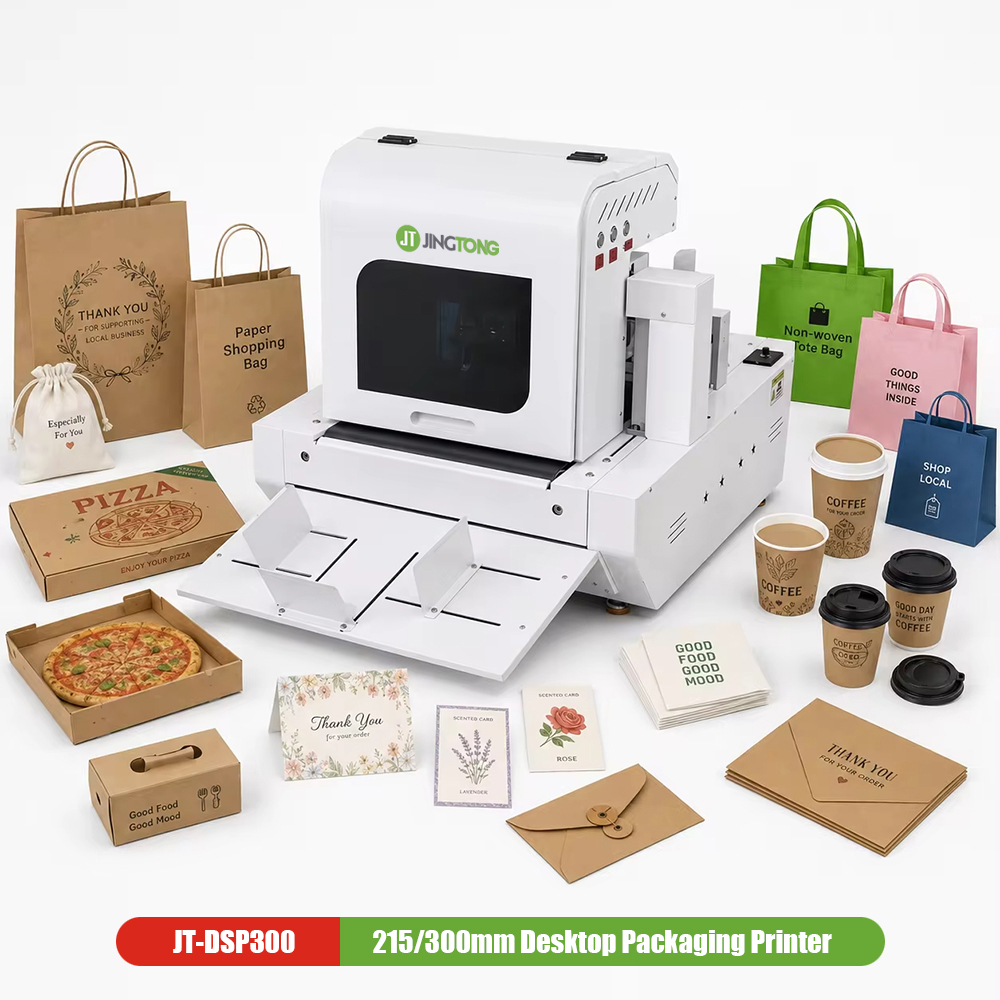
In custom packaging production, common substrates include corrugated board, kraft paper, coated paperboard and other paper-based materials.
Different substrates have different surface characteristics:
● Coated paperboard: Its relatively smooth surface can support detailed graphics and more consistent color reproduction.
● Kraft paper: Its natural brown background can change the appearance of printed colors, particularly lighter shades.
● Corrugated board: Surface flatness, flute structure and paper absorption can affect ink placement and image quality.
● Uncoated paper: Its absorbency may influence ink spreading, color density and drying behavior.
Ink compatibility is equally important. Water-based inkjet inks are commonly used in paper packaging applications, but the correct formulation depends on the printer, substrate and required drying conditions.
For food packaging, ink suitability and regulatory compliance must be evaluated according to the intended application and final packaging structure. CMYK printing or water-based ink alone does not automatically make a package food-safe.
Color Management and Print Consistency
One common challenge in custom packaging printing is maintaining consistent colors across different production batches and materials.
The same CMYK artwork may look different when printed on coated paperboard, kraft paper or corrugated board. Changes in substrate whiteness, absorption and surface texture can influence the final result.
A reliable color management workflow should consider:
● ICC Color Profiles: Use profiles suited to the printer, ink and substrate combination.
● RIP Settings: Configure ink limits, color conversion and printing parameters appropriately.
● Test Printing: Produce samples before full production to evaluate actual color appearance.
● Color Measurement: Use suitable measurement tools and agreed reference values when tighter color control is required.
● Production Monitoring: Keep printing conditions consistent between batches.
For brands with strict color requirements, an approved physical sample or agreed color reference is more reliable than judging colors only from a computer monitor.
Applications of CMYK Inkjet Printing for Custom Packaging
CMYK inkjet printing supports a wide range of paper-based packaging applications.
● Corrugated Boxes: Suitable for customized shipping cartons, e-commerce packaging, retail boxes and promotional packaging.
● Product Cartons: Used for colorful graphics, product images, logos and information on compatible paperboard packaging.
● Pizza and Food Boxes: Supports customized graphics, promotional designs and different packaging versions. The ink and substrate must meet the requirements of the intended food packaging application.
● Retail Displays: Enables detailed graphics and customized designs for point-of-sale displays and promotional materials.
For businesses handling multiple product designs or smaller order quantities, digital inkjet printing can reduce the preparation requirements associated with conventional plate-based printing.
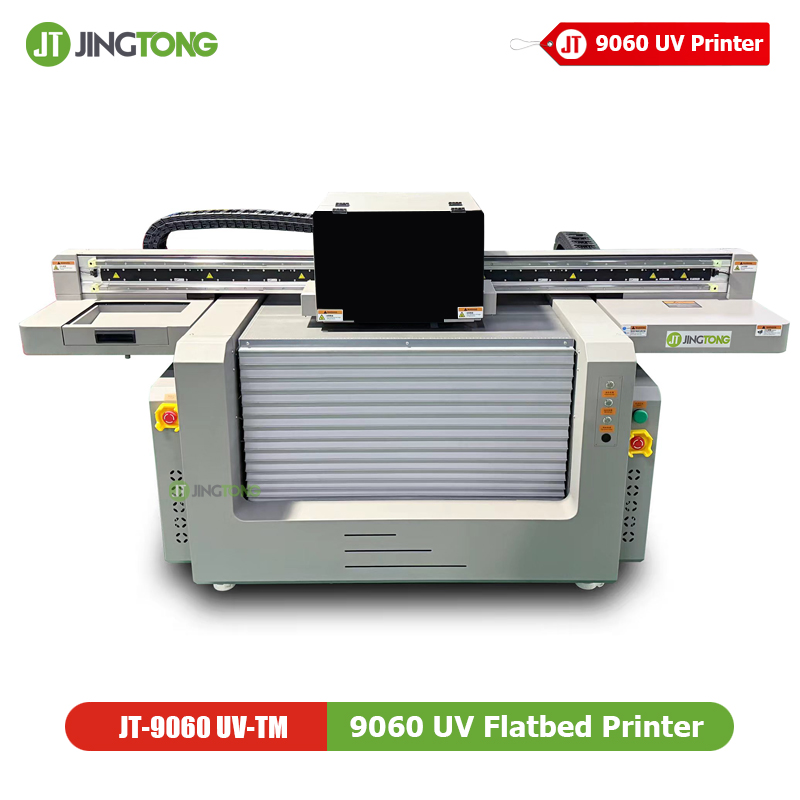
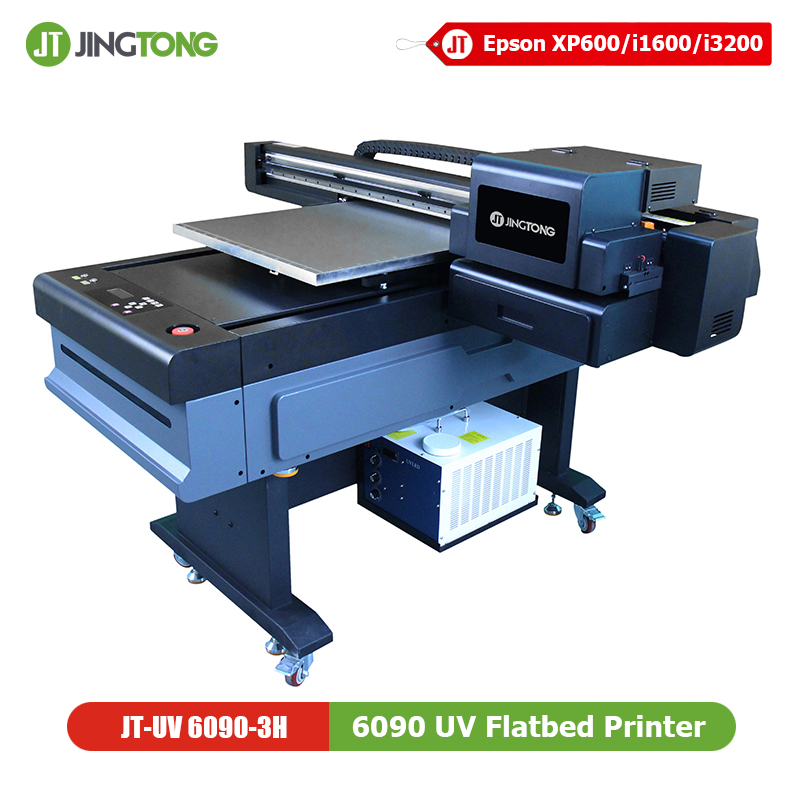
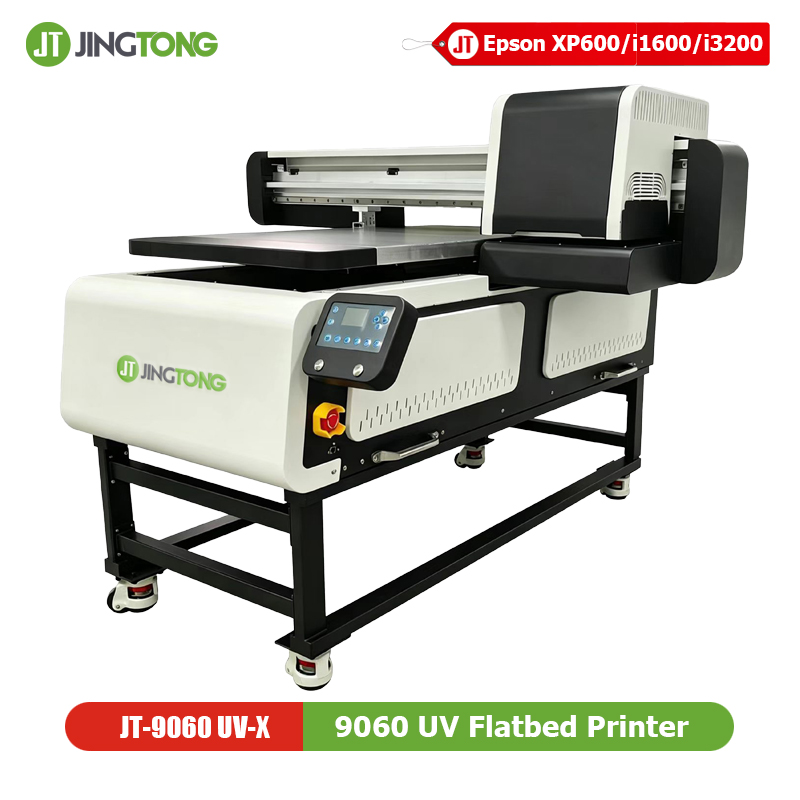
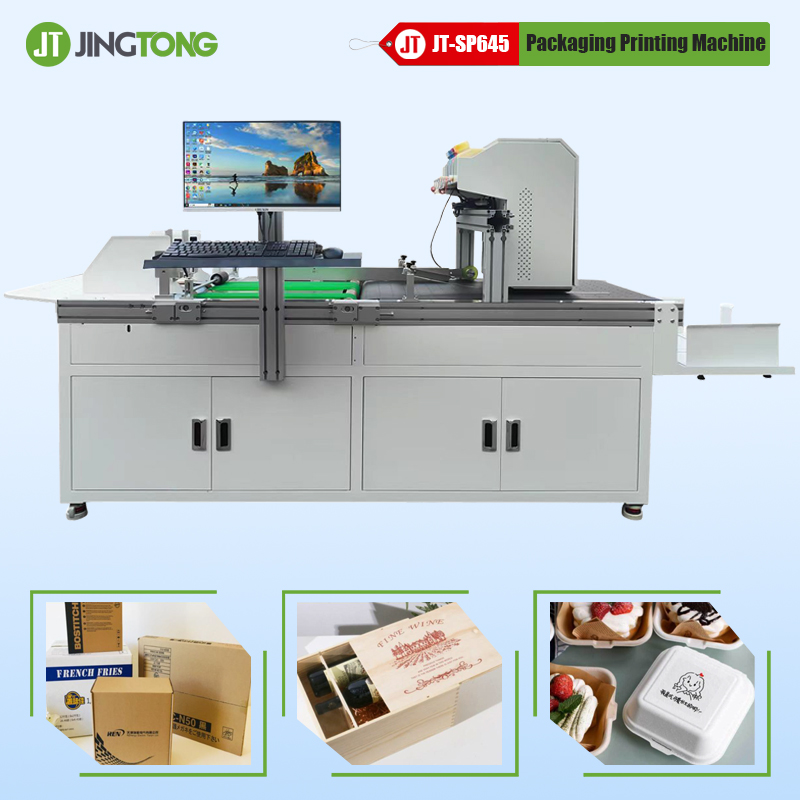
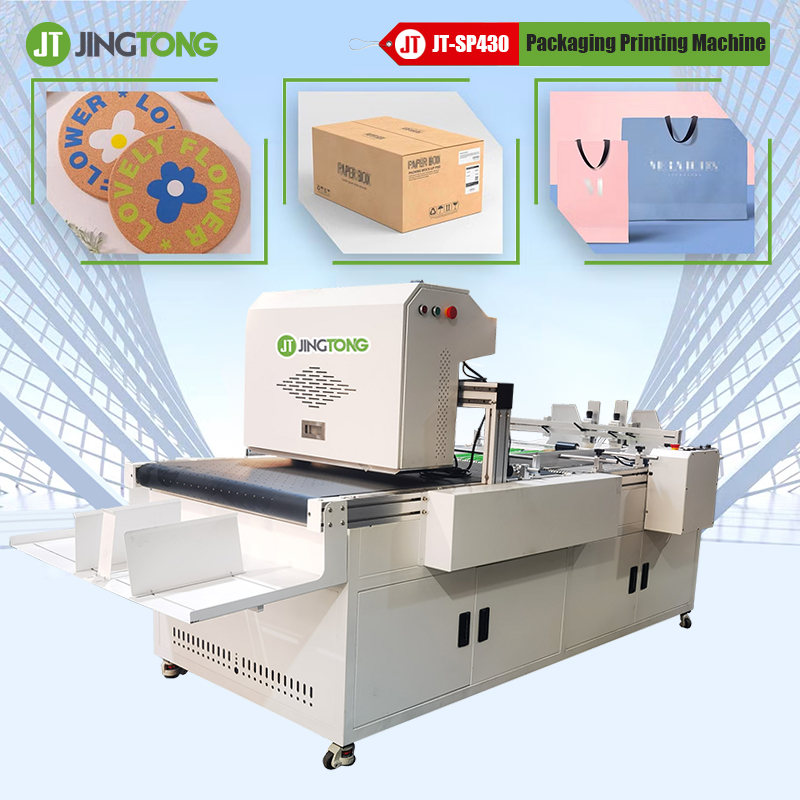
Choosing a CMYK digital packaging printer
When selecting a digital packaging printer, buyers should consider more than the number of ink colors.
Important factors include supported substrate types, maximum printing dimensions, material thickness, print resolution, feeding stability, ink compatibility and color management capabilities.
Production volume is another important consideration. Multi-pass Inkjet Printers may suit sampling and smaller customized orders, while single-pass systems can support higher-throughput packaging production when properly configured.
The best equipment depends on the materials being printed, required image quality, order quantities and production workflow.
Conclusion
CMYK inkjet printing provides a flexible solution for producing customized packaging with colorful graphics, product information and brand designs. Its digital workflow makes short-run production and frequent artwork changes more practical.
To achieve consistent results, packaging manufacturers should pay attention to artwork preparation, color management, substrate characteristics and ink compatibility. Choosing equipment that matches actual production requirements is equally important for maintaining reliable print quality.
get latest company news
Scan To Wechat