




register for newsletter
get latest company news
+86 13113657186



Understanding PET Film in dtf printing
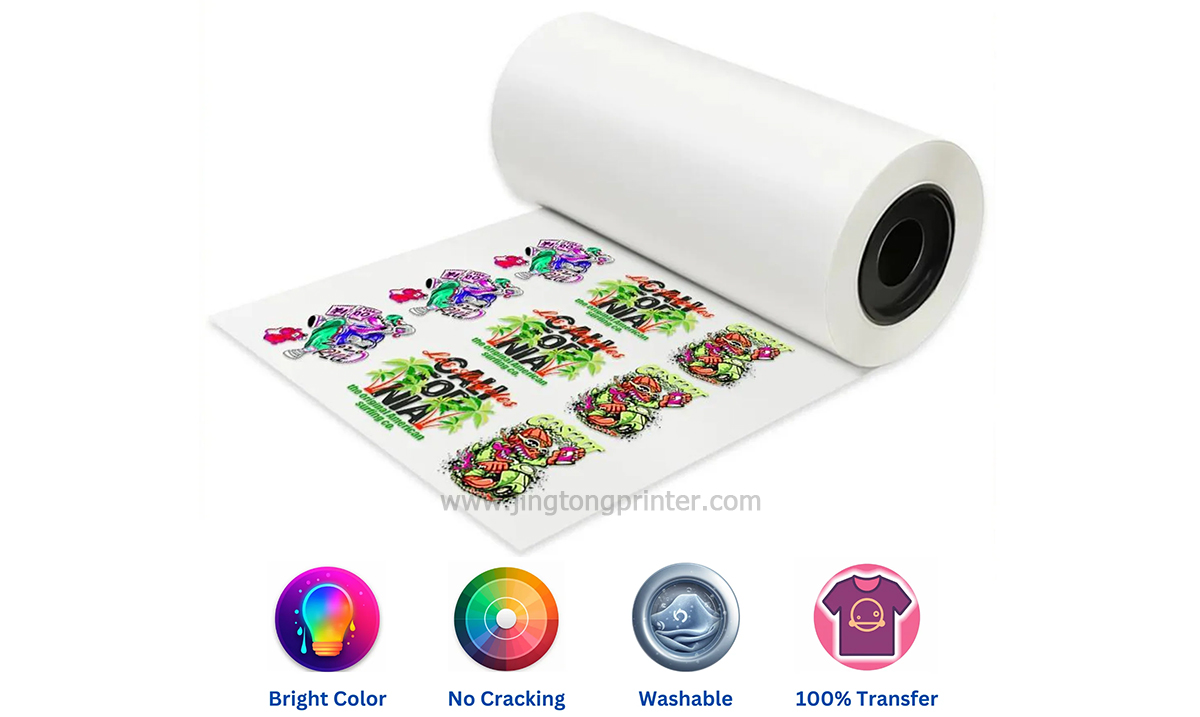
PET film is an essential consumable in Direct-to-Film (DTF) printing. It acts as the carrier for printed designs before they are transferred onto fabric using a heat press.
During printing, CMYK and White Ink are deposited onto the coated film. hot melt adhesive powder is then applied to the wet ink and cured to create a transfer layer.
The quality of PET film affects ink absorption, image clarity, powder adhesion, and peeling performance. Choosing unsuitable film can lead to blurred details, uneven white ink coverage, difficult peeling, or incomplete transfers.
Choose the Right Peel Type
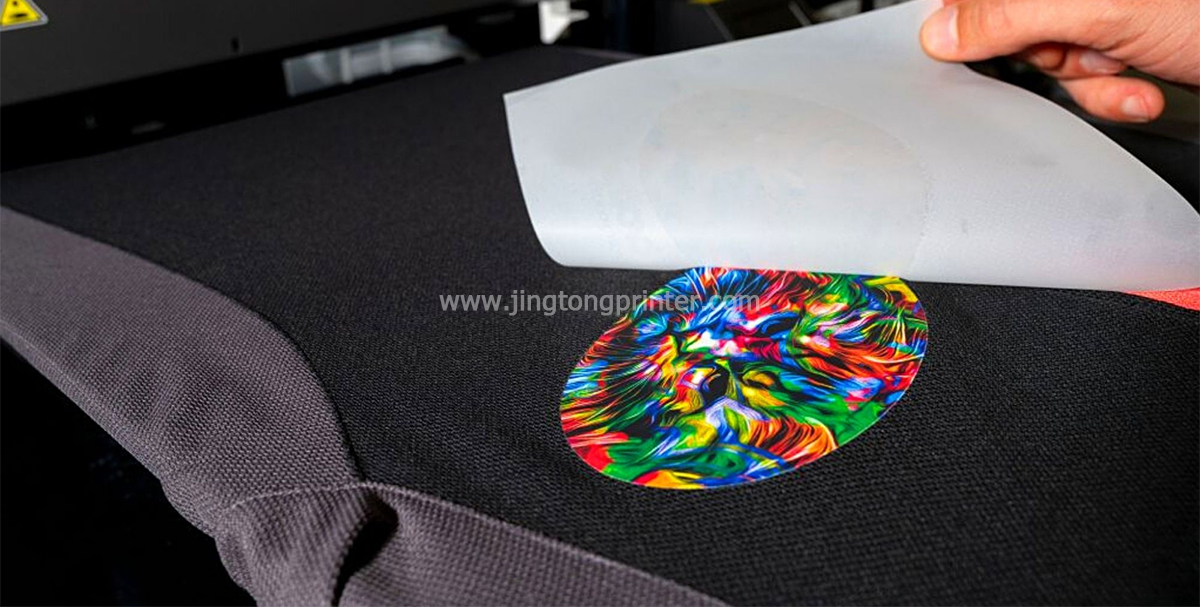
dtf pet film is commonly available in hot peel, cold peel, and warm peel versions. The main difference is when the film should be removed after heat pressing.
Hot peel film is designed to be removed shortly after pressing while the transfer is still warm. It can shorten the production cycle and improve workflow efficiency, making it useful for businesses handling frequent orders.
Cold peel film requires the transfer to cool before removing the carrier film. This additional cooling stage may suit workflows that prioritize a particular release behavior.
Warm peel film is removed after a short cooling period. Its exact peeling temperature depends on the manufacturer's specifications.
There is no universally best peel type. The choice should depend on production speed, fabric compatibility, adhesive powder, and the recommended transfer conditions.
Consider Film Thickness and Coating Quality
DTF PET film is available in different thicknesses, commonly measured in microns. Thickness influences film handling, flexibility, dimensional stability, and feeding performance.
Thicker film may offer better handling stability, while thinner film can be more flexible. However, thickness alone does not determine printing quality.
Coating quality is equally important. A uniform coating helps control ink absorption and supports consistent powder application. Uneven coating may cause ink spreading, inconsistent white ink coverage, or defects in the final transfer.
For roll-to-roll DTF printing, also consider film width, winding quality, and feeding stability to reduce wrinkles and printing interruptions.
Check Ink Absorption and Powder Adhesion
A suitable PET film should work well with the dtf ink and adhesive powder used in the production process.
The coating needs to accept CMYK and white ink without excessive spreading or poor absorption. After printing, the adhesive powder should attach evenly to the inked areas without excessive contamination of blank sections.
If the film is incompatible with the ink or powder, problems such as blurred edges, uneven adhesive coverage, and incomplete transfers may occur.
Testing the film with the actual printer, ink, and powder is more reliable than choosing it based only on a product specification sheet.
Evaluate Printing and Transfer Results
Before purchasing PET film in bulk, print sample designs containing fine lines, small text, solid colors, and large white areas.
Check image sharpness, color consistency, white ink coverage, and powder distribution. After curing, follow the film manufacturer's recommended heat-press settings and peeling method.
The transferred design should have clean edges and consistent adhesion. Washing tests can provide additional information about durability, although results also depend on fabric type, adhesive powder, curing, and pressing conditions.
Store PET Film Properly
Temperature, humidity, dust, and handling can affect PET film performance. Store the film in its original packaging in a clean, dry environment. Avoid direct sunlight, excessive heat, and unnecessary exposure to moisture.
Keep the coated surface free from dust, fingerprints, and scratches. For roll film, maintain proper storage conditions to help prevent deformation and feeding problems.
Choose Film Based on Your Production Needs
The right PET film should match your printer, ink, adhesive powder, fabric applications, and production workflow. Hot peel film may be suitable for faster production, while cold peel film may better match workflows that require cooling before release.
Rather than selecting film based on price or thickness alone, compare coating uniformity, printing performance, peeling behavior, and final transfer quality. Testing samples under actual production conditions is the most reliable way to identify a suitable DTF PET film.
get latest company news
Scan To Wechat