


register for newsletter
get latest company news
+86 13113657186



Understanding A4, A3, and A1 dtf printers
Choosing the right DTF printer is an important decision for businesses entering or expanding the custom apparel market. Printer size affects the range of designs you can produce, how efficiently you arrange artwork on transfer film, and how much you need to invest in equipment.
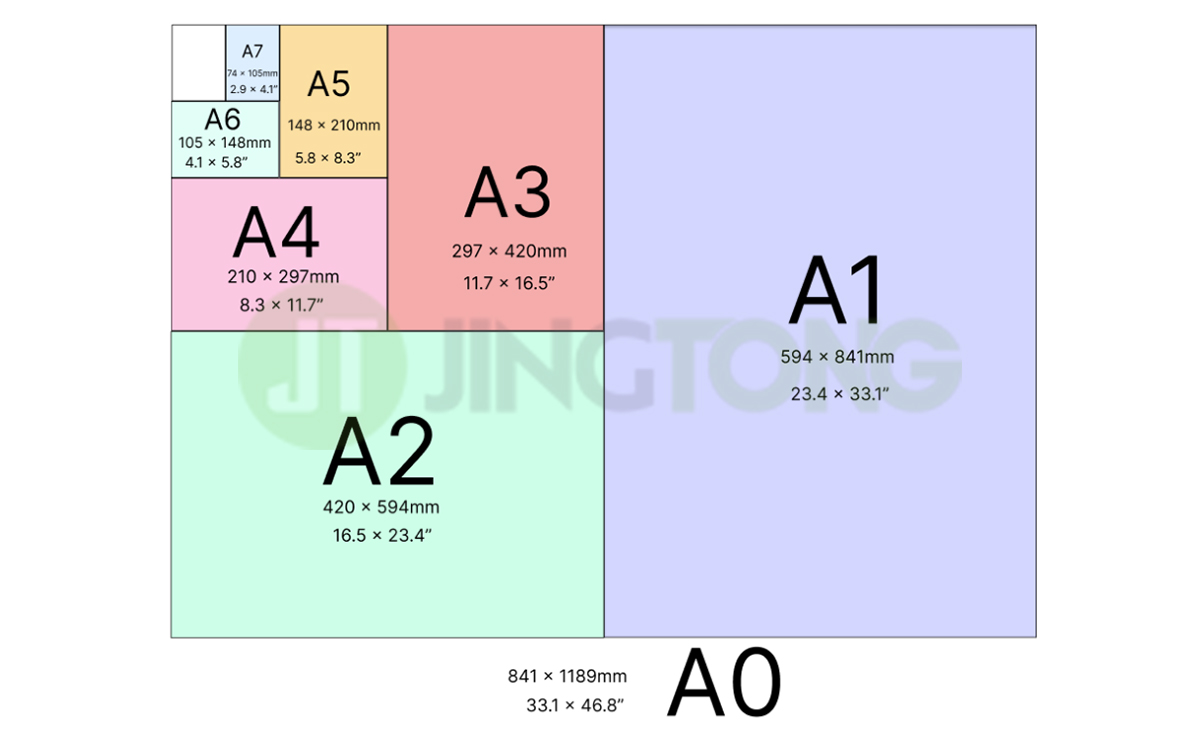
A4 DTF printers are compact entry-level machines designed for small-format printing. Their working width is generally around 20–22 cm, depending on the model. They are suitable for small logos, labels, personalized graphics, samples, and occasional custom orders. Their compact footprint and lower initial investment make them a practical option for beginners and small studios.
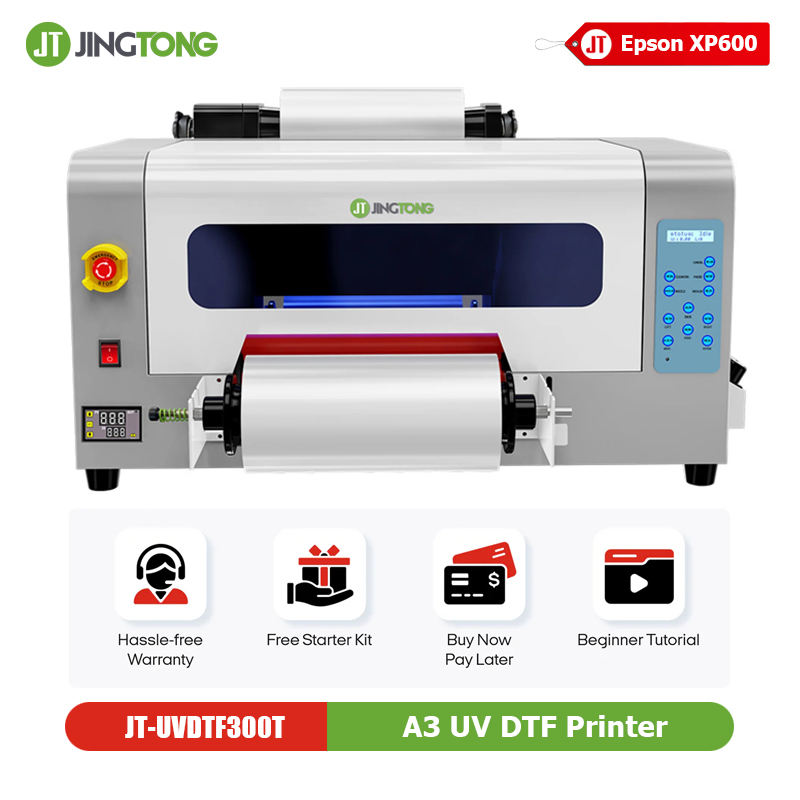
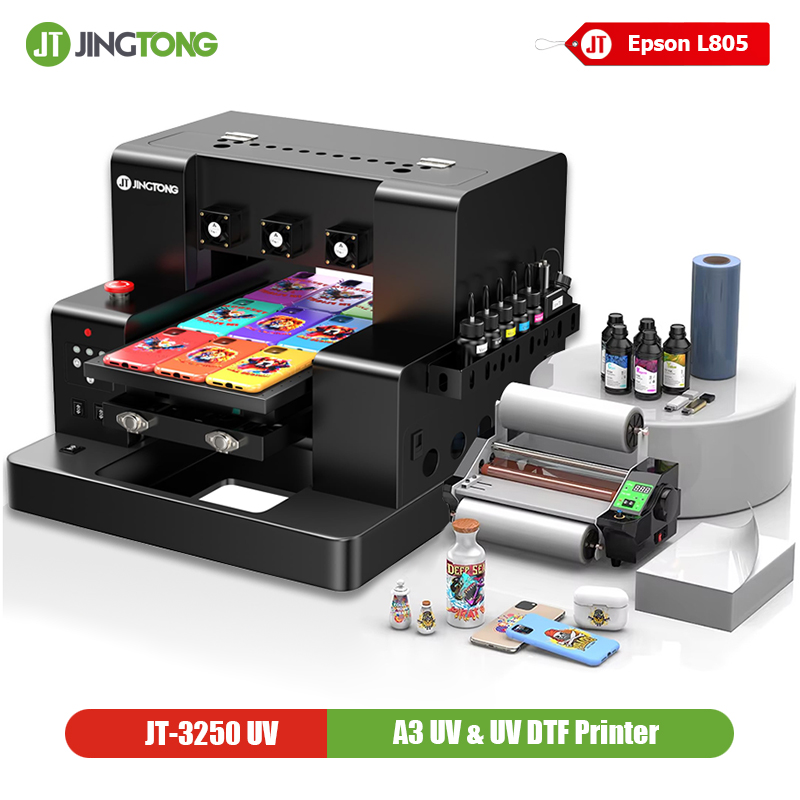
a3 dtf printers provide a wider working area, typically around 30–35 cm. They can handle larger garment graphics and arrange multiple small designs on the same film. This makes them suitable for small apparel businesses, online stores, custom T-shirt production, and businesses with regular but moderate order volumes.
a1 dtf printers are designed for wider-format production. In the DTF market, A1 is often associated with approximately 60 cm wide roll-to-roll systems, although the actual printable width varies by machine. These printers can accommodate larger layouts and more designs across the film, making them suitable for growing printing businesses and transfer suppliers.
Printing Width and Printhead Configuration
Printing width determines the maximum space available for arranging designs on transfer film. A wider working area allows more graphics to be printed side by side, which can improve material utilization and reduce the number of separate printing jobs.
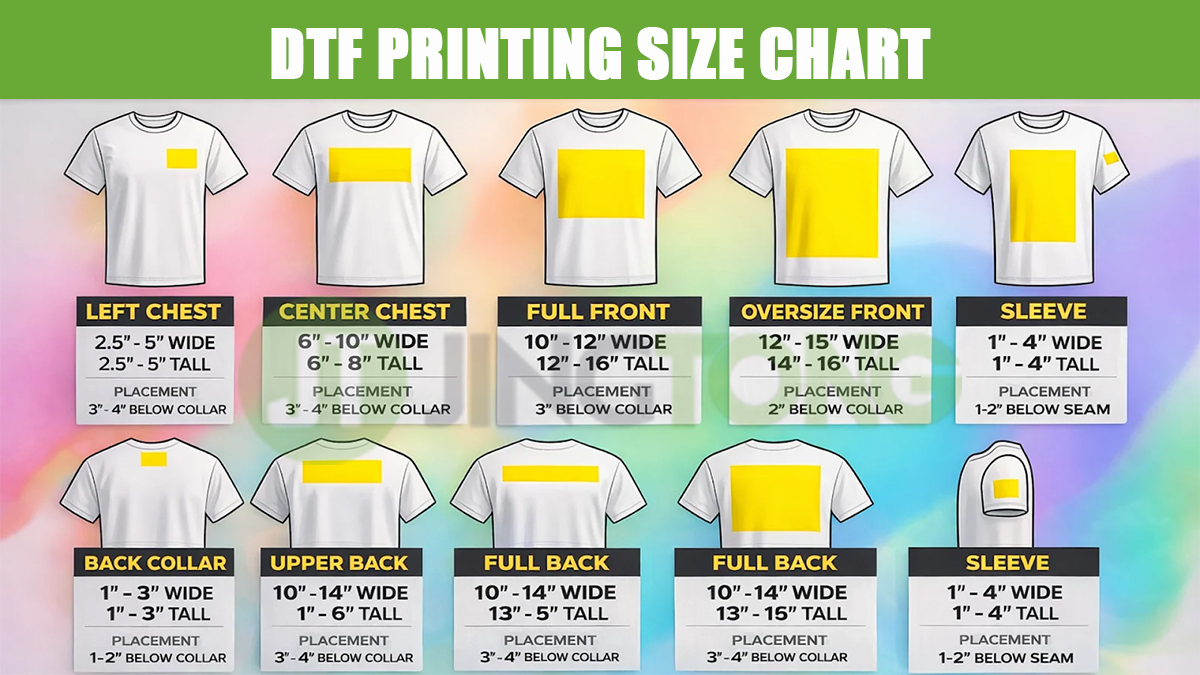
A4 printers are best suited to small graphics and limited quantities. a3 printers offer greater flexibility for garment designs, including chest prints, back graphics, and multiple small logos. A1 printers provide more room for gang sheets and continuous roll production, making them more efficient for businesses handling larger batches.
Printhead configuration is another important consideration. Entry-level A4 and A3 printers commonly use one printhead, while some A3 and A1 systems offer dual-head or multi-head configurations. Additional printheads can increase throughput when the machine is properly configured, but they may also increase equipment cost and maintenance requirements.
Actual production speed depends on more than printhead quantity. Printhead model, resolution, pass mode, CMYK and White Ink configuration, ink delivery, and mechanical stability all influence output. When comparing machines, check production speed under the same printing conditions rather than relying on printhead quantity alone.
Production Capacity and Suitable Applications
A4 DTF printers are suitable for startups, home-based printing operations, sample production, and businesses focused on small personalized graphics. They offer a low-cost way to test market demand, but their limited width may restrict production efficiency as orders grow.
A3 DTF printers provide a balance between investment and production flexibility. They are suitable for custom T-shirts, hoodies, sportswear logos, workwear, and small-batch apparel orders. For businesses with a steady flow of customized orders, an A3 system can provide more room for daily production without requiring a large industrial setup.
A1 DTF printers are better suited to higher-volume operations. Their wider printing area allows multiple designs to be arranged across the film, supporting larger gang sheets and continuous production. With a compatible automatic powder shaker and curing system, an A1 setup can form a more efficient workflow for transfer production and wholesale orders.
It is important to remember that printer speed is not the same as finished garment output. A complete DTF workflow includes artwork preparation, printing, powder application, curing, cutting, and heat pressing. The capacity of the entire production line depends on how efficiently these stages work together.
Investment Budget and Operating Costs
A4 DTF printers generally require the lowest initial investment. They are suitable for businesses with limited budgets, small workspaces, or uncertain order volumes. However, their lower entry cost should be weighed against their limited production width and potential upgrade needs.
A3 DTF printers usually require a moderate investment. They offer a practical balance for businesses that have moved beyond occasional printing but do not yet need a wide-format production line. Depending on the configuration, the setup may include a printer, curing oven or powder shaker, and heat press.
A1 DTF printers require a larger investment, especially when equipped with multiple printheads and automatic powder application and curing systems. They also need more workspace and may require additional planning for power, ventilation, and maintenance. For businesses with stable, high-volume orders, the higher investment can be justified by improved production capacity and workflow efficiency.
The total budget should include more than the printer itself. Ink, PET film, hot melt powder, maintenance supplies, electricity, labor, RIP software, and replacement parts all contribute to operating costs. A complete production setup should be evaluated before making a purchase decision.
How to Choose the Right DTF Printer
The right printer depends on your business size, order volume, product range, and available budget.
Choose an A4 DTF printer if you are starting with small personalized products, samples, or occasional custom orders and want to keep the initial investment low.
Choose an A3 DTF printer if you produce custom apparel regularly and need more flexibility for garment graphics and small-batch orders.
Choose an A1 DTF printer if you handle larger orders, produce transfer sheets in batches, or plan to supply dtf transfers to other businesses.
Before purchasing, consider your average daily output, maximum design size, required film width, printhead configuration, and future production plans. Selecting equipment based on actual business demand rather than machine size alone helps avoid unnecessary investment while leaving room for growth.
get latest company news
Scan To Wechat